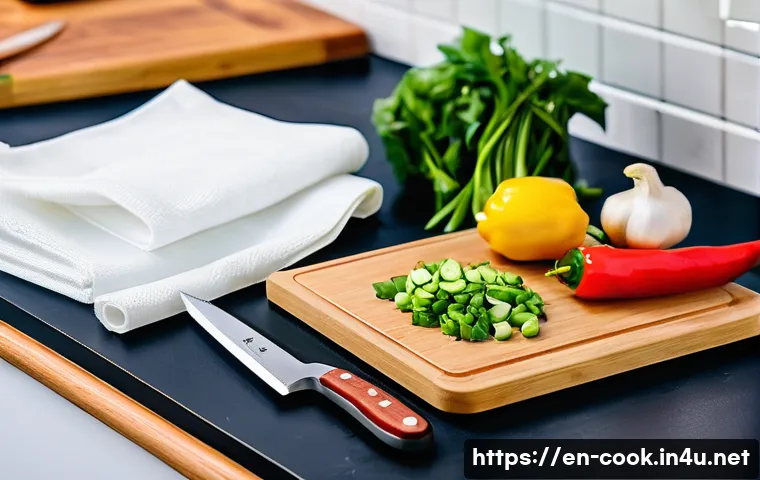
Hey everyone! Are you ready to spice up your weeknight dinners and impress your friends with some seriously delicious eats? If you’ve been caught up in the Hallyu wave like I have, you know that Korean cuisine is absolutely exploding in popularity, and for good reason!
It’s vibrant, incredibly flavorful, and surprisingly healthy, packed with fermented goodness and fresh veggies that are fantastic for your gut health.
I remember my first time trying to make kimchi jjigae at home – it felt a little daunting, but once I got that rich, savory broth simmering, I was hooked.
There’s something so rewarding about recreating those authentic flavors right in your own kitchen, especially when you realize how many practical, everyday Korean dishes are totally achievable for home cooks, even if you’re a beginner.
Forget just ordering takeout; the real magic happens when you master these essential recipes yourself. Current trends even show a growing interest in healthy, convenient Korean options and the delicious fusion of flavors happening worldwide, so now is truly the perfect time to jump in!
I’ve experimented with countless recipes, from sizzling bulgogi that tastes just like your favorite BBQ joint to comforting stews that warm you from the inside out, and I’m genuinely excited to share the absolute must-knows.
I’ve picked out the ones that are not only incredibly tasty but also surprisingly straightforward, using ingredients you can easily find at your local Asian market or even a well-stocked grocery store.
Trust me, you’ll be amazed at how quickly you can whip up a truly satisfying Korean meal. Let’s get right into it and uncover the practical recipes you need to master!
Mastering the Heart of Korean Comfort Food
The Soulful Stew That Hooks You
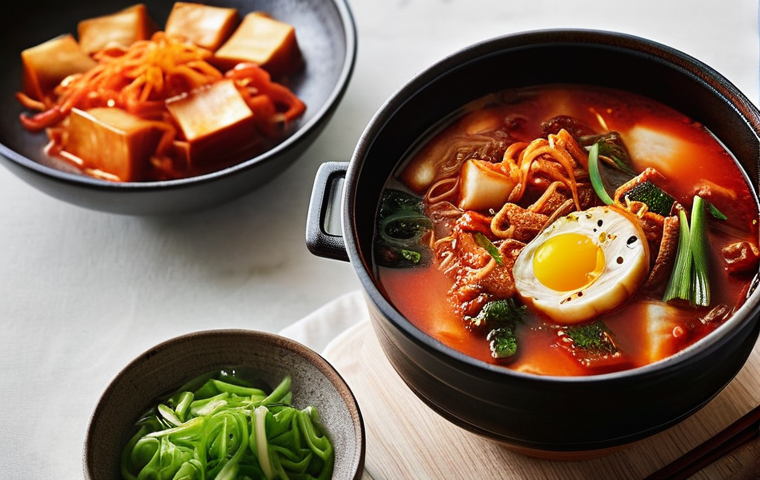
You know that feeling when a dish just *gets* you? For me, that’s kimchi jjigae. I swear, the first time I made it at home, I was a little intimidated by the fermenty smell of the kimchi and the idea of building such a rich broth.
But once that bubbling pot of spicy, savory goodness started to simmer on my stovetop, filling the whole kitchen with its intoxicating aroma, I knew I was in for something special.
It’s incredibly adaptable, perfect for a chilly evening or just when you need a hug in a bowl. My secret? Don’t skimp on the aged kimchi – the older and sourer, the better the depth of flavor!
And a good quality anchovy broth base truly makes all the difference, though you can totally cheat with a vegetarian mushroom broth if that’s your vibe.
I always throw in some silky tofu and a sprinkle of green onions at the end for freshness. It truly is a symphony of flavors that manages to be both complex and utterly comforting, hitting all the right notes every single time.
It’s a dish that evolves with you, getting better each time you make it, and becoming a personal signature in your cooking repertoire. I’ve personally found that letting it sit for a bit before serving, almost like a good curry, allows the flavors to deepen even further, making it an absolute showstopper.
Rice Perfection: The Foundation of Every Meal
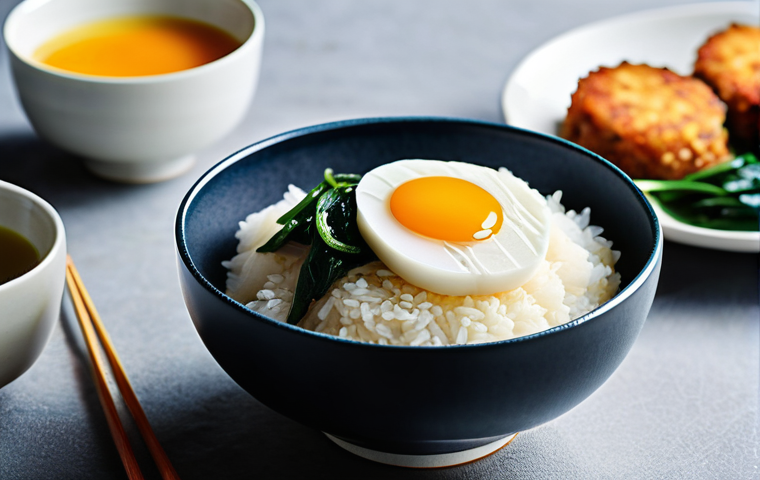
Let’s be real, a Korean meal isn’t complete without perfectly cooked rice. It’s not just a side; it’s the canvas for all those incredible flavors we’re talking about.
I used to think all rice was created equal until I started diving deep into Korean cooking. Short-grain white rice is your best friend here – it’s wonderfully sticky and has that perfect chew.
The key to absolute perfection? Rinse, rinse, rinse! I usually go for about 5-7 rinses until the water runs clear.
And then, the water ratio. For short-grain, a 1:1 or slightly less water to rice ratio (e.g., 1 cup rice to 0.9 cup water) works wonders for that ideal texture that’s neither too mushy nor too dry.
I’ve found that soaking the rinsed rice for 20-30 minutes before cooking also helps achieve that perfectly plump, fluffy grain. Seriously, once you master your rice game, your entire Korean meal experience will level up dramatically.
It’s the unsung hero that brings everything together, absorbing all the delicious sauces and balancing the more intense flavors. Don’t underestimate its power!
A great rice cooker can be a game-changer, but even a good old pot on the stove works wonders with a little attention. Trust me, you’ll taste the difference.
Quick & Easy Weeknight Korean Feasts
One-Pan Wonders for Busy Evenings
Who has time for a million pots and pans on a Tuesday night? Not me! That’s why I’m obsessed with Korean one-pan wonders that deliver big flavor with minimal fuss.
Think about a simplified bibimbap bowl where you quickly sauté your chosen veggies and protein in one pan, then serve it over rice with a drizzle of gochujang.
Or my personal favorite, a speedy egg roll (gyeran-mari) that’s essentially a fluffy, savory omelet layered with whatever bits and bobs you have in the fridge – chopped carrots, green onions, a little ham.
It’s a lifesaver when you need something nutritious and satisfying in a flash. I’ve experimented with various combinations and found that the beauty lies in its versatility.
You can use leftover rice, throw in some canned tuna, or even wilted spinach for a healthy boost. The trick is to keep your ingredients prepped and ready to go, making these meals incredibly efficient.
It genuinely feels like a magic trick when you pull together such a delicious and complete meal in under 20 minutes, leaving you more time to actually enjoy your evening.
Stir-Fry Secrets for Speedy Suppers
Stir-fries are the ultimate weeknight warriors in Korean cuisine, too. While traditional japchae (glass noodle stir-fry) can be a bit of a production with separate ingredient preparations, there are so many brilliant shortcuts that make it totally achievable for a speedy supper.
I’ve found that using pre-cut veggies or frozen stir-fry mixes can drastically cut down on prep time. The key is a hot wok or skillet and layering your ingredients – harder veggies first, then softer ones, then your protein.
My go-to quick stir-fry involves marinated beef or chicken with a medley of bell peppers, onions, and mushrooms, all coated in a savory, slightly sweet soy-garlic sauce.
The rapid cooking preserves the crispness of the vegetables, giving you that delightful texture contrast. I usually serve it with a side of steamed rice, and sometimes, if I’m feeling fancy, a sprinkle of toasted sesame seeds.
It’s truly incredible how much flavor you can pack into a dish that comes together so quickly, making it a staple in my rotation for those nights when takeout just isn’t an option but deliciousness is a must.
Grill Like a Pro: Savory Meats and Marinades
Bulgogi Bliss: Your BBQ Restaurant at Home
If there’s one Korean dish that screams “special occasion” but is surprisingly simple to master at home, it’s bulgogi. I absolutely adore the sweet, savory, and slightly smoky flavor of perfectly grilled bulgogi, and I’ve spent countless hours perfecting my marinade recipe.
The magic truly happens in that marinade – a harmonious blend of soy sauce, sugar (brown sugar or even a touch of pear juice for natural sweetness), garlic, sesame oil, and a touch of black pepper.
The secret to tender, flavorful bulgogi? Thinly sliced beef (ribeye or sirloin works best) that’s allowed to marinate for at least a few hours, or even better, overnight.
I remember hosting a BBQ where I made bulgogi on my little tabletop grill, and my friends were genuinely shocked at how authentic and delicious it tasted, just like their favorite Korean BBQ spot.
You don’t even need an outdoor grill; a cast-iron skillet or a griddle pan works beautifully on your stovetop, creating those lovely caramelized edges.
Serve it with crisp lettuce wraps, a dollop of ssamjang, and some fresh garlic slices for the ultimate DIY Korean BBQ experience. It’s a crowd-pleaser every single time and always leaves everyone asking for the recipe.
Spicy Pork Perfection: A Flavor Kick
For those who crave a little heat, spicy pork bulgogi, or *jeyuk bokkeum*, is an absolute must-try. It’s got that incredible fiery kick balanced by savory and subtly sweet notes, making it incredibly addictive.
I vividly recall my first time trying to nail the perfect gochujang-based marinade; it was a lot of trial and error, but the reward was so worth it. The key ingredients are gochujang (Korean chili paste), gochugaru (Korean chili flakes), soy sauce, garlic, ginger, and a touch of sugar or rice syrup.
I often add a splash of mirin for a bit of extra depth. Thinly sliced pork shoulder or belly works wonderfully here, soaking up all that vibrant marinade.
Just like bulgogi, letting it marinate for a good few hours makes all the difference in flavor penetration. When cooking, I usually pan-fry it over medium-high heat until the edges are beautifully charred and the pork is cooked through, often tossing in some onions and bell peppers during the last few minutes to add some freshness and crunch.
This dish is fantastic wrapped in lettuce leaves, served with rice, or even tucked into a taco for a delicious Korean-Mexican fusion. It’s guaranteed to wake up your taste buds and become a regular on your weeknight rotation, especially if you’re a fan of bold flavors.
Beyond Kimchi: Exploring Fermented Delights
The Versatility of Korea’s Favorite Ferment
While everyone knows and loves kimchi, its versatility often goes underexplored. It’s not just a side dish; it’s a powerhouse ingredient that can transform countless meals.
I’ve used kimchi in everything from fried rice and pancakes to even cheesy quesadillas, and each time, it adds an incredible layer of tangy, spicy, and umami-rich flavor.
My personal “aha!” moment came when I realized how much depth a spoonful of aged kimchi could bring to a simple omelet – it just elevates the whole experience.
Beyond the traditional cabbage kimchi, there are so many other types to explore, like radish kimchi (kkakdugi) or cucumber kimchi (oi sobagi), each offering a unique texture and flavor profile.
These fermented gems are fantastic for your gut health, too, packed with probiotics. Don’t be afraid to experiment! Toss some chopped kimchi into your next grilled cheese sandwich, stir it into pasta, or even blend it into a dressing for a truly unique twist.
It’s about more than just eating it straight; it’s about harnessing its incredible flavor-boosting power to make everyday meals extraordinary.
Unlocking New Flavors with Fermented Pastes
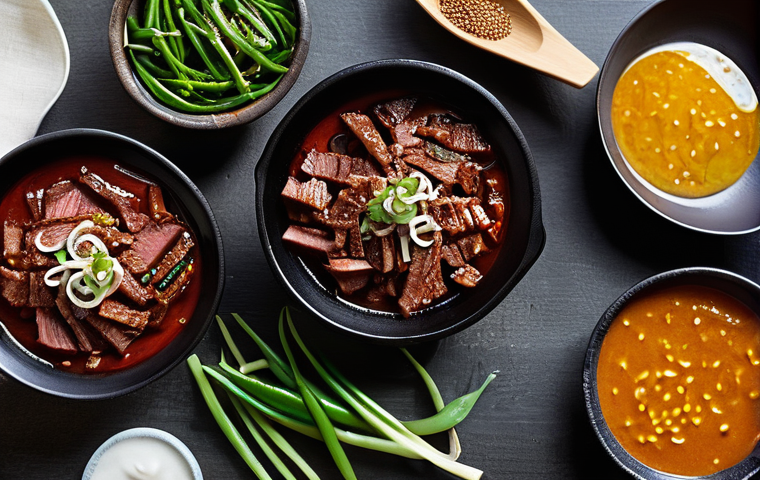
Beyond kimchi, Korean cuisine boasts a treasure trove of fermented pastes that are absolute game-changers in the kitchen. We’re talking about gochujang (chili paste), doenjang (soybean paste), and ganjang (soy sauce), each playing a distinct and crucial role in building authentic Korean flavors.
I remember feeling a bit overwhelmed by the array of pastes at the Asian market initially, but once I started incorporating them, I realized they are the true soul of many dishes.
Gochujang, with its spicy, sweet, and savory notes, is essential for everything from tteokbokki to spicy marinades. Doenjang, on the other hand, provides a deep, earthy, umami base, akin to miso, and is the heart of many comforting stews and dipping sauces.
And good quality ganjang is a fundamental seasoning. I’ve learned that a little goes a long way with these powerful ingredients. I’ve started adding a tiny dollop of doenjang to my vegetable soups for an instant umami boost, or mixing gochujang into salad dressings for a spicy kick.
Don’t be intimidated; start small, experiment, and you’ll soon find these fermented pastes becoming indispensable staples in your pantry, opening up a whole new world of flavor possibilities for your home cooking.
Veggie-Forward Korean Dishes You’ll Love
Vibrant Noodle Bowls for a Healthy Twist
When I think about vibrant, healthy Korean food, my mind immediately jumps to incredible noodle bowls and veggie-packed dishes. One of my all-time favorites is a fresh take on Japchae.
While the traditional version is a stir-fry, I often make a lighter, fresher version that’s more of a cold noodle salad, perfect for a warm day or a light lunch.
I use sweet potato glass noodles, which are naturally gluten-free and have a fantastic chewy texture, and load them up with an abundance of colorful vegetables like julienned carrots, spinach, bell peppers, and mushrooms.
Instead of stir-frying everything, I often blanch the veggies quickly to maintain their crispness and vibrant color, then toss them with the noodles in a light, tangy dressing made with soy sauce, sesame oil, a touch of vinegar, and a hint of sweetness.
It’s incredibly refreshing, packed with nutrients, and surprisingly satisfying without being heavy. I’ve served this at potlucks, and it’s always a huge hit, even with folks who are usually skeptical about veggie-heavy dishes.
It proves that healthy eating can be absolutely bursting with flavor and never boring.
Wholesome Soups and Sides for Everyday Goodness
Korean cuisine truly excels at making vegetables shine, whether it’s in comforting soups or delightful side dishes. Beyond the well-known kimchi, there’s a whole world of *namul* – seasoned vegetable side dishes – that are incredibly easy to make and fantastic for adding variety to your meals.
I often whip up *sigeumchi namul* (seasoned spinach) or *kongnamul muchim* (seasoned bean sprouts), which involve simply blanching the vegetables and then tossing them with garlic, sesame oil, soy sauce, and sesame seeds.
They’re quick, healthy, and add so much freshness to any spread. For soups, I’m a huge fan of simple vegetable-based broths, often enriched with a bit of *doenjang*.
A clear seaweed soup (*miyeokguk*) is another wonderful option, incredibly nutritious and surprisingly soothing. I’ve found that these wholesome, veggie-forward dishes are perfect for meal prepping because they hold up well in the fridge, making it easy to grab a healthy side throughout the week.
Incorporating more of these into my diet has not only boosted my vegetable intake but also introduced me to a broader palette of subtle, nuanced flavors that are incredibly satisfying and good for you.
Elevate Your Side Dishes: Banchan Basics
The Art of the Korean Side Dish Spread
If you’ve ever dined at a Korean restaurant, you know that the *banchan* spread is half the fun! These small, flavorful side dishes are an integral part of the Korean meal experience, offering a delightful variety of textures, temperatures, and tastes that complement the main course beautifully.
I used to think making multiple banchan was too complicated for a home cook, but I’ve since learned that many are surprisingly simple and quick to prepare.
It’s not about making a dozen different dishes every time; it’s about having a few go-to recipes that you can whip up with ease. I love how a well-curated banchan spread makes even a simple bowl of rice and a main dish feel like a complete feast.
It truly elevates the entire dining experience, allowing you to mix and match flavors with every bite. I’ve often found myself enjoying the banchan just as much, if not more, than the main dish itself.
This communal eating style, where everyone shares from the banchan, is also something I adore – it brings people together around the table in a wonderfully engaging way.
Quick & Easy Banchan You Can Master
Ready to conquer the world of banchan? You absolutely can! There are several fantastic options that are both easy to make and incredibly delicious.
My top recommendations for beginners include *Gyeran-jjim*, which is a wonderfully fluffy, steamed egg custard that’s savory and comforting – it’s essentially a Korean soufflé and incredibly quick to make in a pot or microwave.
Then there’s *Eomuk Bokkeum*, a stir-fried fish cake dish that’s slightly sweet and savory, and incredibly versatile. I always keep some Korean fish cakes in my freezer for this exact purpose.
And, of course, the *namul* I mentioned before, like seasoned spinach (*sigeumchi namul*) or seasoned bean sprouts (*kongnamul muchim*), are practically foolproof.
These recipes require minimal ingredients and cooking time, yet they add so much to your meal. I’ve found that having a few of these prepped in my fridge makes weeknight dinners so much easier and more enjoyable.
It’s like having little flavor bombs ready to go, transforming an ordinary meal into something much more special. Don’t be afraid to try them; you’ll be amazed at how quickly you can master these essential Korean side dishes.
| Essential Korean Pantry Staple | Why You Need It | Quick Tip for Use |
|---|---|---|
| Gochujang (Korean Chili Paste) | Adds a unique sweet, spicy, and savory depth; foundational for many dishes. | Mix with sesame oil and a touch of vinegar for a quick dipping sauce. |
| Doenjang (Korean Soybean Paste) | Provides deep umami and earthy flavor, similar to miso; great for stews. | Use as a base for vegetable soups or a flavorful marinade for meats. |
| Gochugaru (Korean Chili Flakes) | Adds vibrant red color and adjustable heat without altering texture significantly. | Sprinkle on eggs, noodles, or a bowl of soup for an instant kick. |
| Sesame Oil (Toasted) | Finishing oil that imparts a rich, nutty aroma; don’t cook with it at high heat. | Drizzle over finished dishes like bibimbap, stir-fries, or salads for fragrance. |
| Soy Sauce (Ganjang) | Fundamental seasoning for saltiness and umami; choose a good quality one. | Use in marinades, dipping sauces, and as a general seasoning. |
| Rice Vinegar | Adds a subtle tang and brightness, great for balancing rich flavors. | Essential for pickling, salad dressings, and adding acidity to marinades. |
| Toasted Sesame Seeds | Provides a delightful crunch and nutty flavor as a garnish. | Sprinkle over almost any savory Korean dish just before serving. |
Concluding Thoughts
Wow, what a journey we’ve had through the incredibly rich and diverse world of Korean cuisine! From the heartwarming depth of kimchi jjigae to the lively dance of banchan on your plate, it’s clear that Korean cooking offers so much more than just delicious meals – it offers an experience.
I truly hope that sharing my personal experiences and little tips has sparked your own culinary adventure and given you the confidence to dive in. Remember, cooking is all about exploration and finding joy in every step, and with Korean food, that joy is absolutely boundless.
Useful Information to Know
1. Finding authentic Korean ingredients might seem daunting if you don’t live near a bustling Koreatown, but trust me, it’s easier than you think! Your local Asian grocery store, often found in most larger cities, is usually a treasure trove. Look for specific Korean sections – you’ll want to stock up on gochujang, doenjang, gochugaru, and good quality sesame oil. If a physical store isn’t an option, a quick search online for ‘Korean ingredients delivery’ will reveal numerous online retailers that ship right to your door, often with a wider selection. Don’t be afraid to ask store staff for recommendations; most are incredibly helpful. Fresh produce like Napa cabbage, radishes, and bean sprouts are usually available at any regular supermarket, but for specialty items like perilla leaves or certain types of mushrooms, the Asian market is your best bet. Investing a little time in sourcing quality ingredients makes a world of difference in the final taste of your dishes.
2. We all know kimchi as the iconic side dish, but honestly, you’re missing out if you’re not using it as a star ingredient! Think of it as a flavor enhancer, a probiotic powerhouse that adds an incredible depth of tangy, spicy, and umami notes to almost anything. Beyond just eating it straight from the jar, aged, sour kimchi is a revelation in dishes like kimchi fried rice (*kimchi bokkeumbap*), where its robust flavor truly shines. It’s also the heart and soul of kimchi jjigae, creating that deeply satisfying, comforting broth. Have you ever tried a kimchi pancake (*kimchijeon*)? It’s crispy, savory, and wonderfully addictive. Even simpler, I’ve started throwing a spoonful of finely chopped kimchi into my morning eggs or grilled cheese for an unexpected kick. Don’t be shy – experiment with adding it to your stews, noodles, or even as a topping for savory pancakes. You’ll unlock a whole new dimension of flavor!
3. Navigating the spice levels in Korean cuisine can feel a bit like a culinary adventure, especially if you’re new to gochujang and gochugaru. Gochujang (Korean chili paste) brings a complex heat that’s often balanced with sweetness and fermentation, giving dishes a rich, savory depth. Gochugaru (Korean chili flakes), on the other hand, provides a cleaner, more direct heat and a beautiful vibrant red color without significantly altering texture. My personal tip? Start small and taste as you go. You can always add more heat, but it’s tough to take it away! For recipes calling for both, consider reducing the gochugaru if you prefer less intense spice, as it’s typically the primary source of ‘raw’ heat. If you’re sensitive to spice, look for ‘mild’ versions of gochujang or substitute a portion of the gochugaru with smoked paprika for color and a hint of warmth without the fiery kick. Gradually building your tolerance and understanding how each chili product contributes to the flavor profile will make your Korean cooking journey much more enjoyable.
4. The *banchan* spread is one of the most delightful aspects of Korean dining, but for home cooks, preparing multiple side dishes for every meal might seem overwhelming. My advice? Don’t overthink it! Think of *banchan* as your culinary toolkit for adding balance, variety, and essential nutrients to your meals throughout the week. Instead of making a full spread daily, choose 2-3 of your favorite simple *banchan* recipes – like seasoned spinach (*sigeumchi namul*) or bean sprouts (*kongnamul muchim*) – and meal prep a larger batch on a Sunday. They hold up beautifully in the fridge for several days, making it effortless to pull them out for a quick addition to your lunch or dinner. Even a simple bowl of rice with a main dish feels complete and wholesome with just one or two delicious *banchan* beside it. It’s about creating a harmonious dining experience that’s both flavorful and practical for your busy schedule.
5. While you can absolutely make fantastic Korean food with basic kitchen equipment, a few specialized tools can genuinely elevate your experience. A good quality rice cooker, for instance, is a game-changer for achieving perfectly fluffy, sticky short-grain rice every single time – a true foundation of Korean meals. If you love stews like *kimchi jjigae* or *sundubu jjigae*, investing in a *dolsot* (Korean stone pot) allows you to serve them bubbling hot and retain that warmth throughout the meal, even getting those coveted crispy rice bits at the bottom of a *dolsot bibimbap*. For grilled meats like *bulgogi* or *jeyuk bokkeum*, a sturdy cast-iron grill pan or even a dedicated indoor Korean BBQ grill will help you achieve those delicious char marks and smoky flavors right at home. These aren’t strictly necessary, but they make the process smoother and the results even more authentic and enjoyable.
Key Takeaways
So, what’s the big takeaway from our delicious dive into Korean cuisine? First, don’t be intimidated! While some dishes might look complex, the foundational elements are often simple, relying on fresh ingredients and bold, balanced flavors. Second, invest in quality Korean pantry staples – gochujang, doenjang, and good soy sauce are non-negotiables that will unlock a world of authentic taste. Third, embrace the versatility of ingredients like kimchi; it’s a flavor bomb waiting to elevate countless dishes. Finally, remember that cooking Korean food is a journey of discovery. It’s about enjoying the process, savoring the incredible flavors, and sharing wonderful meals with those you love. So, grab your apron, stock your pantry, and let’s get cooking – your taste buds (and your friends!) will thank you!
Frequently Asked Questions (FAQ) 📖
Q: joint to comforting stews that warm you from the inside out, and I’m genuinely excited to share the absolute must-knows. I’ve picked out the ones that are not only incredibly tasty but also surprisingly straightforward, using ingredients you can easily find at your local
A: sian market or even a well-stocked grocery store. Trust me, you’ll be amazed at how quickly you can whip up a truly satisfying Korean meal. Let’s get right into it and uncover the practical recipes you need to master!
Q: What are some truly easy Korean dishes for beginners that I can whip up without feeling overwhelmed?
A: Oh, this is such a fantastic question, and one I get all the time! When I first started diving into Korean cooking at home, I was a little intimidated by some of the more complex-looking dishes.
But trust me, there are so many practical and delicious options that are incredibly beginner-friendly. My absolute go-to recommendations for anyone starting out are Kimchi Fried Rice (Kimchi Bokkeumbap), Bibimbap, and Japchae.
Kimchi Fried Rice is a lifesaver for using up leftover rice and kimchi, and it’s almost impossible to mess up; you just sauté kimchi with rice, a little butter or oil, and add gochujang, then top it with an egg – super comforting and customizable!
Bibimbap, which translates to “mixed rice,” looks fancy but it’s really about assembling a colorful bowl of seasoned vegetables (you can even use pre-cut ones!), some protein like a fried egg or quickly seared beef, and a dollop of spicy gochujang.
It’s incredibly versatile and lets you get creative with whatever veggies you have on hand. And then there’s Japchae, those beautiful stir-fried glass noodles.
While it might seem like a lot of components, each step is quite simple, and once you get the hang of stir-frying the vegetables and noodles separately before combining them with a savory-sweet sauce, you’ll feel like a pro!
These dishes are not only simple to master but also packed with those incredible Korean flavors we all crave.
Q: Where can I reliably find those essential Korean ingredients, especially if I don’t live near a huge Koreatown?
A: I totally get this! Finding those specific ingredients can feel like a bit of a treasure hunt at first, especially if you’re not in a major metropolitan area with a large Korean community.
But don’t worry, it’s actually much easier than you think these days! Your best bet is always a local Asian grocery store – places like H-Mart or even smaller independent shops often have dedicated Korean aisles stocked with everything you’ll need, from various types of gochujang (Korean chili paste) and gochugaru (Korean chili flakes) to different kinds of soy sauce and sesame oil.
I’ve found that even many larger mainstream grocery stores now have a decent “international foods” section where you can often spot key items like soy sauce, sesame oil, and even some brands of kimchi.
And if all else fails, or if you’re looking for something super specific, online Korean grocery stores are a game-changer! Websites like Kim’C Market, Gochujar, or even Weee!
(which often offers free delivery) can ship authentic ingredients right to your door, making it incredibly convenient to get those hard-to-find items like fresh perilla leaves or specific types of rice cakes.
Don’t be shy to explore a little – you’ll be amazed at what you can find!
Q: Korean food is known for being healthy, but are there ways I can make these delicious recipes even healthier at home without sacrificing flavor?
A: Absolutely! This is one of the reasons I fell so hard for Korean cuisine – it naturally leans into healthy eating with its emphasis on vegetables, fermented foods, and lean proteins.
To make it even healthier at home, my personal approach focuses on a few key tweaks. First, don’t be afraid to load up on the veggies! Most Korean dishes are already veggie-rich, but you can always add more spinach to your bibimbap, extra zucchini to your pajeon, or a wider variety of mushrooms to your stews.
I also like to be mindful of oil usage; many recipes taste just as good with slightly less oil for sautéing. When it comes to proteins, opt for lean cuts of beef, chicken breast, tofu, or seafood over fattier options where possible.
And here’s a big one: control the sodium and sugar. While fermented pastes like gochujang and doenjang are amazing for flavor and gut health, they can be high in sodium.
So, taste as you go and adjust. You can also make your own marinades and sauces with less sugar, using natural sweetness from fruits like grated apple or pear, which are commonly used in Korean cooking anyway!
I promise, these small adjustments make a big difference in the nutritional profile while keeping all that fantastic, authentic flavor intact. It’s all about balance and enjoying the goodness!
📚 References
Wikipedia Encyclopedia
구글 검색 결과
구글 검색 결과
구글 검색 결과
구글 검색 결과
구글 검색 결과