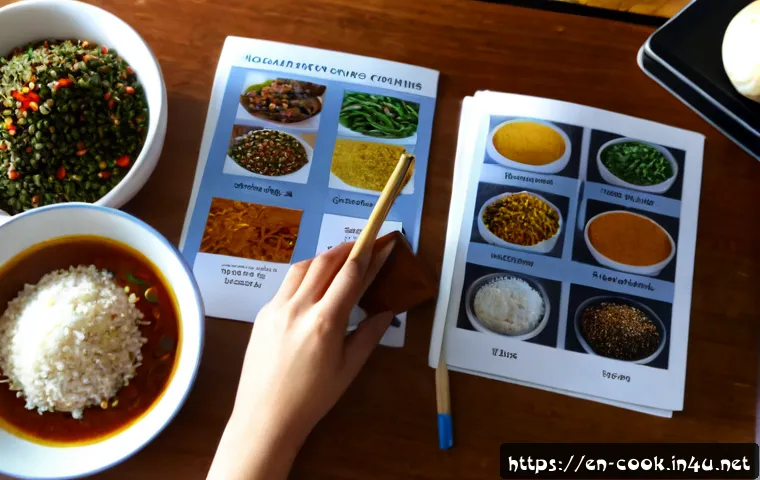
Study Chinese culinary theory in this order: learn the fundamentals, drill core techniques, then explore regional recipes. This approach helps you understand why a dish works before spending heavily on courses, cookbooks, or specialized wok equipment.
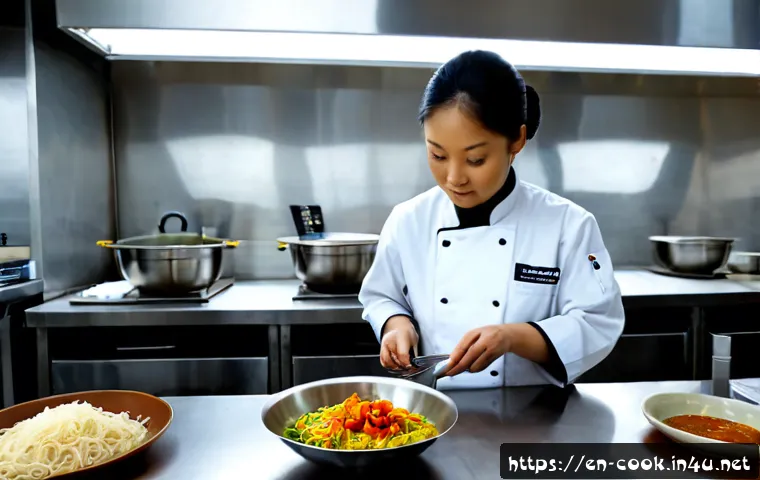
Chinese cooking connects heat, timing, texture, seasoning, and ingredient preparation, so isolated recipe memorization is rarely enough. A cookbook can support structured self-study, while an online class or in-person culinary program may be more useful when you need feedback on technique.
Your best path depends on your cooking goal, available practice time, kitchen setup, and access to ingredients. Start small, keep notes after each session, and upgrade training or equipment only when a clear practice need appears.
At a Glance
- Learn the system first: heat control, timing, texture, seasoning, and preparation work together in Chinese cooking.
- Practice techniques before complex recipes: repeat a small drill and change only one variable at a time.
- Buy with a purpose: compare course format, practice access, and equipment requirements before paying for training or gear.
| Learning Option | Cost Information to Compare | Feedback Level | Equipment Needs | Best Fit |
|---|---|---|---|---|
| Cookbook self-study | Book price and ingredient cost | Self-evaluation through notes and repeated testing | Basic home kitchen tools can be enough at first | Independent learners building everyday cooking skills |
| Online cooking class | Enrollment terms, lesson access, and included materials | Varies by course format and instructor interaction | Check whether demonstrations require specialty tools or ingredients | Learners who want visual demonstrations and a planned curriculum |
| In-person culinary program | Tuition, materials, kitchen access, and related requirements | Direct observation and practical instructor feedback | Program kitchen may provide access to professional equipment | Career-focused learners or students needing structured practice |
Start With the Core Principles Behind Better Chinese Cooking
Learn Heat, Timing, Texture, and Seasoning as One System
Chinese culinary theory becomes easier when you stop treating each step as separate. Heat affects timing, timing affects texture, and texture changes how seasoning is perceived. Ingredient preparation also matters because ingredients that are cut differently will cook at different speeds.
For example, a stir-fry is not simply “cook everything on high heat.” You need to consider whether the pan is ready, whether the ingredients are dry, how crowded the wok is, and which items need more or less cooking time. The sauce is only one part of the result. A good sauce cannot fully correct vegetables that have released too much moisture or protein that was added at the wrong moment.
When studying a recipe, ask a few practical questions: What is the intended texture? Which ingredient needs the strongest heat? Which component should be cooked separately? What is added near the end to preserve aroma or freshness? These questions build theory that transfers from one dish to another.
Build a Simple Weekly Theory-to-Practice Study Routine
A useful routine separates reading from cooking. Start one session by studying a single topic, such as knife work, steaming, or stir-fry sequencing. Then choose one short practical drill that lets you test that idea without adding a complicated recipe.
For example, you might focus on cutting vegetables into consistent pieces, then cook them using the same method more than once. On another day, you might prepare the same ingredient with different heat levels and observe the change in color, moisture, and texture. Small repetitions are usually more useful than constantly chasing new recipes.
Keep your study plan realistic. If you have limited time, one technique plus one simple dish can be enough for a session. If you are considering a cooking course, check whether its lesson structure gives you time to practice between modules rather than only watch demonstrations.
Use a Cooking Notebook to Identify Patterns in Results
A cooking notebook turns vague impressions into usable feedback. After each session, write down the technique you practiced, the ingredient preparation, the cooking order, and the result. You do not need complicated scoring. Short notes such as “vegetables released water,” “seasoning was uneven,” or “protein cooked too early” can reveal patterns over time.
Include what you would change next time. This creates a direct connection between culinary theory and kitchen decisions. It is especially helpful for learners using cookbooks, free videos, or a self-paced online course, where an instructor may not be available to spot mistakes.
Compare Self-Study, Online Classes, and In-Person Culinary Training
When Books and Recipe Testing Are Enough
Cookbook self-study can work well when your goal is reliable home cooking and you are comfortable learning through repetition. Look for a Chinese cooking textbook that explains technique, ingredient preparation, cooking order, and regional context instead of presenting only short recipe instructions.
Books are useful because you can revisit the same chapter while practicing. Pair reading with a cooking notebook and choose recipes that repeat a technique. For instance, several recipes using steaming or stir-frying can teach more than unrelated dishes with entirely different workflows.
The limitation is feedback. You may know that a dish did not turn out as intended without knowing whether the cause was pan temperature, cutting size, seasoning sequence, or ingredient moisture.
When Instructor Feedback Can Save Time and Ingredient Costs
An instructor-led online class or in-person culinary training program can be valuable when you repeatedly encounter the same problem. Direct feedback may help you see issues that are difficult to judge alone, such as uneven knife work, crowded-pan technique, pacing, or kitchen workflow.
This does not mean every paid culinary course is automatically a better choice. Before enrolling, review the curriculum and consider whether it teaches repeatable skills rather than only a list of finished dishes. A strong course should make it clear how learners practice, receive feedback, and connect theory to real cooking tasks.
For career-focused learners, structured kitchen practice may be more important than simply collecting certificates. Confirm separately whether a specific program meets local employment, licensing, or certification expectations.
How to Assess Course Curriculum, Practice Access, and Total Cost
Compare a course beyond its headline topic. Check whether the curriculum covers heat management, knife skills, mise en place, common cooking methods, seasoning balance, food safety, and regional Chinese cuisines. Also ask whether practice assignments require equipment or ingredients that are difficult for you to access.
Consider the complete commitment: course fees, textbooks, ingredients, travel if applicable, kitchen access, and the time required for practice. A course is a better investment when you can actually repeat the lessons in your own kitchen. Review the provider’s official information for current terms, requirements, and available support.
Study the Techniques Before Trying Complex Recipes
Knife Work, Mise en Place, and Ingredient Preparation
Knife work is not only about speed. Consistent cutting helps ingredients cook more evenly and makes timing easier to manage. Focus first on safe, controlled cuts that produce pieces of similar size for the dish you are making.
Mise en place is equally important. Prepare, measure, and arrange ingredients before high-speed methods such as stir-frying. Once cooking begins, there may be little time to search for a sauce ingredient or finish chopping aromatics. This preparation habit supports better timing and reduces rushed decisions.
A knife upgrade or Chinese cleaver may be useful when your current tool limits comfortable, consistent preparation. However, it is not a substitute for technique. Learn safe handling and basic control before assuming a new tool will solve a workflow problem.
Stir-Frying, Steaming, Braising, Deep-Frying, and Sauce Building
Each method teaches a different part of Chinese culinary theory. Stir-frying highlights heat, movement, sequencing, and moisture control. Steaming emphasizes gentle cooking and ingredient quality. Braising teaches how time, seasoning, and texture develop together. Deep-frying requires careful attention to preparation, timing, and safe handling. Sauce building shows how seasoning can be layered rather than added all at once.
Do not try to master every method at the same time. Choose one primary method, study its workflow, and practice it repeatedly with manageable ingredients. Then compare what changes when you use a different method. This makes regional recipes easier to understand because regional cuisines can differ in ingredients, flavor profiles, preferred textures, and cooking approaches.
How to Practice One Variable at a Time
When a dish goes wrong, avoid changing everything on the next attempt. Choose one variable: cutting size, pan crowding, cooking order, heat level, sauce timing, or resting time. Keep the rest of the process as similar as possible.
This approach makes your notes more useful. If you change the recipe, equipment, ingredients, and heat at once, it becomes difficult to identify what improved or weakened the result. Controlled repetition is the bridge between theory and confidence.
Avoid Common Theory-to-Kitchen Mistakes
Why High Heat Does Not Mean Maximum Heat at All Times
High heat is often associated with wok cooking, but maximum heat is not automatically the correct choice. Different ingredients react differently, and an overcrowded wok can reduce effective heat and encourage steaming rather than quick cooking.
Watch what the food is doing. If moisture builds quickly, reassess the batch size, preparation, and sequence. Cooking in smaller portions may help you maintain better control. The goal is not to force every ingredient through the same setting; it is to manage heat in a way that supports the intended texture.
Preventing Soggy Stir-Fries, Uneven Seasoning, and Broken Sauces
Soggy stir-fries often come from excess moisture, overcrowding, or poor timing. Dry ingredients when appropriate, prepare them before cooking, and avoid adding everything at once. Uneven seasoning can happen when sauces are not distributed well or when ingredients are not moved and cooked in a logical order.
Broken or unbalanced sauces are a reminder that flavor alone is not technique. Pay attention to when a sauce is added, how long it cooks, and whether the dish has enough room in the pan for even coating. Practice simple sauces before relying on complex combinations to create interest.
Food Safety and Ingredient Storage Checks
Food safety should remain part of every practice session. Follow local food-handling guidance for raw proteins, seafood, and reheated foods. Keep ingredient storage, preparation surfaces, and cooking workflow organized so that practice is not only productive but also responsible.
If you are using unfamiliar ingredients, check their storage and handling guidance before cooking. Culinary theory can improve taste and technique, but it does not replace appropriate food safety practices.
Choose a Study Track Based on Your Goal
Home Cooking: Build Reliable Everyday Dishes First
For home cooking, focus on a small group of dependable skills: basic knife work, mise en place, stir-fry sequencing, steaming, and simple seasoning balance. Pick recipes you can repeat with ingredients available to you. The goal is a reliable process, not a restaurant-style equipment collection.
Culinary Students: Connect Theory With Timed Kitchen Practice
Culinary students can benefit from practicing theory under realistic time limits. Organize ingredients before cooking, plan the sequence, and review results afterward. This reinforces kitchen workflow as well as flavor and texture.
If your program has particular standards, confirm the expected equipment, assessment format, and food safety requirements directly with the school or instructor.
Career-Focused Learners: Prioritize Feedback, Consistency, and Kitchen Workflow
Career-focused learners should prioritize consistent execution, observation, and feedback. An instructor-led culinary course or in-person training environment may be worth considering if it gives you regular practical evaluation. Look for teaching that covers preparation, timing, station organization, and repeatable technique.
Do not assume that a course certificate alone meets employment or licensing requirements. Verify local requirements with the relevant employer, training provider, or authority before making a commitment.
Choosing Your Learning Resources and Equipment
What to Look for in a Chinese Cooking Textbook or Video Course
Choose learning resources that explain the reason behind each step. A useful textbook or video course should show ingredient preparation, heat management, cooking order, texture targets, and common errors. Regional context is also helpful because Chinese cuisines are not one uniform style.
For video instruction, look for clear demonstrations that let you observe movement, timing, and changes in the food. For a paid online class, compare the course format, practice time, feedback options, and equipment requirements before enrolling.
When a Wok, High-Output Burner, Cleaver, or Steamer Is a Worthwhile Purchase
Buy equipment when it supports a technique you practice often. A wok can be worthwhile if you regularly work on stir-frying and have a cooking setup that suits it. A steamer may be useful if steaming becomes a regular part of your study track. A cleaver can be practical for certain preparation tasks when you have learned to use it safely.
A high-output burner deserves extra consideration because kitchen compatibility, safety, and local guidance matter. Do not treat specialized equipment as a shortcut to skill. Technique, preparation, and repetition should come before major gear purchases.
A Final Comparison Checklist Before Paying for Training or Gear
Before buying a course, textbook, wok, burner, knife, or steamer, identify the exact problem you want to solve. Is it lack of structure, lack of feedback, limited preparation space, or difficulty practicing a cooking method? Then compare the item with your available time, kitchen setup, budget, and ingredient access.
Official course details, product specifications, compatibility information, and safety guidance are the best places to confirm current conditions before you pay.
Decision Criteria and Comparison Summary
Use these checks before making your next purchase or enrollment decision:
- Goal: Are you learning for dependable home meals, culinary school practice, or career preparation?
- Feedback: Can a notebook and repetition solve the problem, or do you need an instructor to observe your technique?
- Practice time: Can you repeat the lesson enough times to build the skill?
- Kitchen fit: Does your cookware, burner, ventilation, and space support the equipment you are considering?
- Course value: Does the curriculum teach core methods and practical workflow, not only individual recipes?
- Requirements: Have you checked current course terms, equipment specifications, and any local training expectations?
Compare course format, practice time, and equipment requirements before enrolling or upgrading your kitchen.
Final Thoughts
The most practical way to study Chinese culinary theory is to connect every concept with a small cooking test. Learn how heat, timing, texture, seasoning, and preparation interact before trying to master elaborate dishes. Books, video courses, and in-person training can all be useful when they match your goal and give you enough opportunity to practice. Build skill through repetition, notes, and careful observation, then invest in training or equipment when it solves a specific need.
Useful Things to Know
Regional variety matters: Chinese cuisines can differ in ingredients, flavor profiles, cooking methods, and preferred textures.
Technique travels: Better preparation and heat control can improve many dishes, even when the recipes are different.
Notes create feedback: A brief record after each cooking session can reveal recurring issues and improvements.
Equipment is secondary: Specialized tools can support practice, but they do not replace organized preparation or repeated technique drills.
Important Notes
Individual course quality, pricing, equipment durability, and training outcomes vary. Your preferred regional cuisine, existing knife skills, ingredient access, budget, and kitchen setup will affect which study path makes sense. Check current information directly with course providers and equipment manufacturers, and follow local food-handling guidance for raw proteins, seafood, and reheated foods.
Frequently Asked Questions
Q1. Can I learn Chinese culinary theory without attending culinary school?
A1. Yes. Self-study can build a strong foundation when you combine a structured cookbook or video resource with repeated practice and cooking notes. Focus on core ideas such as heat, timing, texture, seasoning, and ingredient preparation. Culinary school or instructor-led training may become more useful when you need direct feedback, timed kitchen practice, or career-focused structure.
Q2. Is an online Chinese cooking course worth paying for compared with cookbooks and free videos?
A2. It can be worthwhile if the course gives you a clear curriculum, useful demonstrations, practice assignments, or instructor feedback that you cannot get from self-study. Compare the lesson format, available practice time, equipment needs, feedback options, and total commitment before enrolling. A cookbook may be enough if you are disciplined about repeating techniques and recording results.
Q3. What equipment should a beginner buy first for practicing Chinese cooking techniques?
A3. Start with safe, functional basic kitchen tools and focus on preparation and technique. Consider a wok, steamer, cleaver, or other specialty equipment when it supports a method you practice regularly and suits your kitchen setup. Check product details, compatibility, and safety considerations before buying more specialized gear.