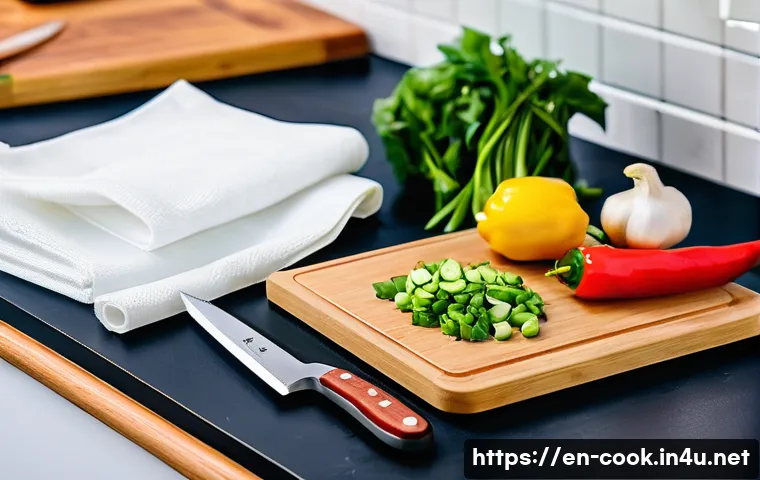
Preparing for a culinary exam can be nerve-wracking, especially when it involves mastering the art of Chinese cooking. On the day of the test, having the right tools and materials at hand not only boosts your confidence but also ensures you can perform at your best.
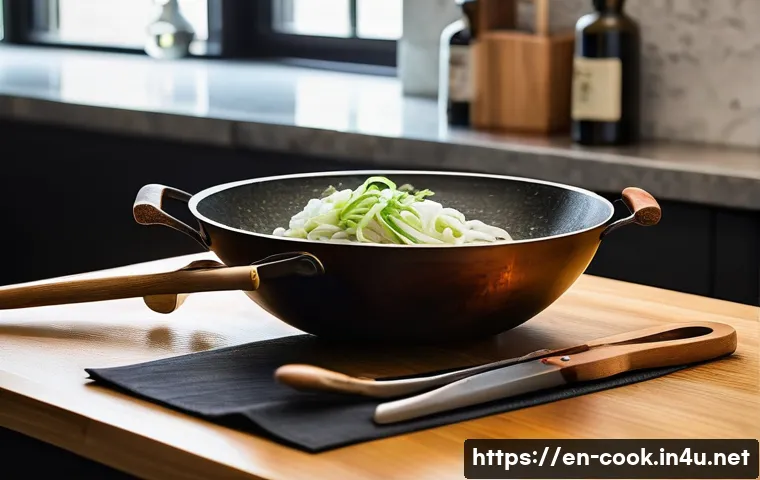
From essential knives to specific ingredients, every item plays a crucial role in your success. I’ve been through similar exams, and I can tell you that a well-packed kit makes all the difference.
Let’s dive into what you absolutely need to bring so you’re fully prepared and stress-free. We’ll break down each item clearly to make sure you don’t miss a thing!
Essential Knives and Cutting Tools for Precision
Choosing the Right Knife Types
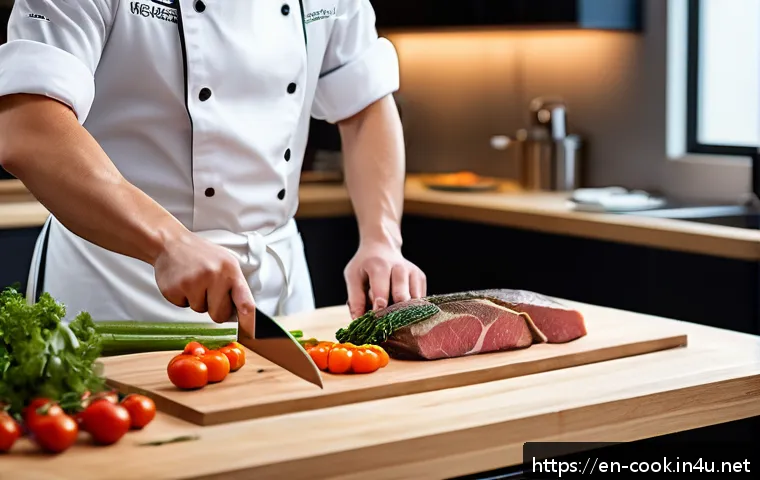
When it comes to Chinese cooking, the knives you bring can make or break your performance. A sharp chef’s knife or a cleaver is non-negotiable because these tools handle everything from slicing vegetables to chopping meat.
I’ve found that a medium-sized Chinese cleaver works best for most tasks – it’s versatile, easy to maneuver, and can double as a tenderizer. Avoid bringing bulky knives that slow you down; instead, pick ones that feel balanced in your hand.
Personally, I always carry a paring knife for finer tasks like peeling and scoring, which helps me nail the presentation part of the exam.
Maintaining Sharpness Under Pressure
Knives dull quickly, especially when you’re working under timed conditions. Bringing a compact sharpening stone or a honing rod is a smart move. I’ve been in situations where a quick touch-up between stations saved me from uneven cuts or slow chopping.
If sharpening tools aren’t allowed, make sure your knives are professionally sharpened the day before. This way, you avoid any surprises and maintain your confidence throughout the exam.
Additional Cutting Tools to Consider
Besides knives, a good pair of kitchen scissors can be a lifesaver for snipping herbs or trimming meat. A peeler also comes in handy for prepping root vegetables quickly.
I always pack a sturdy cutting board that’s easy to clean and doesn’t slip – it might seem minor, but a stable surface really boosts speed and safety when you’re under exam pressure.
Stocking Up on Key Ingredients and Spices
Staple Sauces and Flavor Enhancers
Chinese cooking relies heavily on a few key sauces that bring authentic flavor to your dishes. Soy sauce, oyster sauce, and Shaoxing wine are must-haves.
From my experience, carrying small, tightly sealed bottles of these condiments ensures freshness and avoids leaks in your bag. Also, don’t underestimate the power of sesame oil – a few drops added at the end can elevate your dish to restaurant quality.
Fresh Produce and Protein Choices
Depending on exam rules, bringing your own fresh ingredients like ginger, garlic, scallions, and chili peppers can be a huge advantage. These add the punch that dried or powdered substitutes just can’t match.
For proteins, if you’re allowed, pre-cut portions of chicken, pork, or tofu save time and let you focus on cooking techniques rather than prepping.
Packaging and Transport Tips
Transporting ingredients safely is crucial to avoid spills or spoilage. I use leak-proof containers and wrap delicate items in paper towels inside sealed bags to keep them fresh.
Label everything clearly to avoid confusion during the exam. This little extra effort has saved me from last-minute stress more than once.
Organizing Your Workspace for Maximum Efficiency
Setting Up Your Station Ahead of Time
A cluttered workspace leads to mistakes and wasted time. I always arrive early to arrange my tools and ingredients neatly. Place frequently used items within arm’s reach, and group similar items together.
For example, all sauces in one corner, knives on the side, and cutting board centered. This setup helps me maintain a smooth workflow, especially when the clock is ticking.
Cleaning and Sanitizing Essentials
Cleanliness is not just about hygiene but also about scoring points during evaluation. Bring a small spray bottle with sanitizing solution and plenty of paper towels or a microfiber cloth.
I make it a habit to wipe down surfaces regularly to keep my station spotless. This practice keeps me focused and shows examiners I take food safety seriously.
Time-Saving Hacks During the Exam
I’ve learned that prepping mise en place before the exam starts – like chopping vegetables and portioning sauces – saves valuable minutes. Use stackable containers to keep prepped ingredients organized and easy to access.
Also, keep a small timer or watch handy to pace yourself without constantly looking at the clock on the wall.
Essential Cookware and Utensils to Bring Along
Choosing the Right Wok and Pan
A wok is the cornerstone of Chinese cooking, so bringing one that you’re comfortable with is crucial. I prefer a carbon steel wok because it heats evenly and develops a natural non-stick patina over time.
If the exam requires a specific size, practice cooking in a similar wok beforehand to get used to its heat distribution and weight.
Utensils That Enhance Your Technique
Long-handled spatulas and ladles are essential for stir-frying and saucing. I always bring a pair of wooden chopsticks to toss ingredients gently without breaking them.
A spider strainer is another handy tool for frying or blanching vegetables quickly. These utensils might seem minor but have saved me from awkward handling many times.
Portable Cookware Care Tips
Ensure your cookware is clean and dry before packing to avoid rust or damage. Wrapping your wok and utensils in kitchen towels inside a hard container protects them during transport.
Also, bring a small bottle of oil and a paper towel to season your wok if it feels dry before use – this keeps your food from sticking and enhances flavor.
Smart Storage and Transport Solutions
Choosing the Right Bags and Containers
Durable, waterproof bags with compartments are a game-changer. I use a backpack with insulated sections to keep perishables cool and a separate pouch for knives and sharp tools.
This separation prevents accidents and keeps everything organized. For small items like spices, tiny screw-top jars or plastic vials work perfectly and reduce bulk.
Keeping Ingredients Fresh on Exam Day
If refrigeration isn’t available, packing ice packs or gel coolers helps maintain freshness, especially for proteins and delicate vegetables. I’ve experienced the stress of wilted greens before, so this is a non-negotiable step for me.
Also, packing airtight containers prevents odors from mixing and keeps your station smelling clean.
Quick Access Organization Strategies
Label containers clearly and arrange them by usage order. For example, keep all prep items in one bag and cooking essentials in another. This method helps you grab what you need instantly without digging through layers, which is crucial when every second counts.
Personal Comfort and Safety Gear for a Smooth Day
Comfortable Attire and Protective Wear
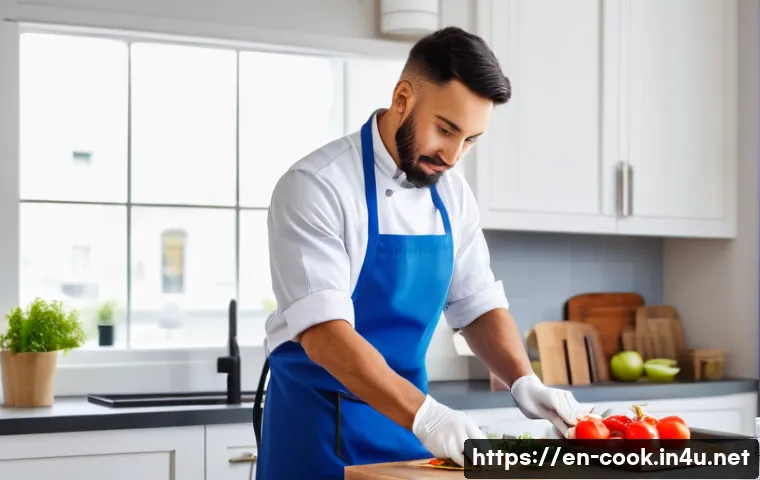
Wearing comfortable, breathable clothing and non-slip shoes keeps you steady and focused during the exam. I always bring a well-fitted apron with pockets for quick tool storage.
A chef’s hat or hairnet is often mandatory, so pack extras in case you need replacements. Feeling comfortable physically translates directly into better cooking performance.
Hand Protection and Hygiene
Bring disposable gloves for handling raw ingredients safely, especially if you have any cuts or sensitive skin. Hand sanitizer and a small first-aid kit with bandages are practical additions.
I once had a minor finger nick during practice, and having bandages on hand allowed me to continue cooking without worry.
Stress Relief and Focus Aids
Exam nerves can mess with your concentration. I recommend packing a small bottle of water, energy bars, or nuts to keep energy levels up. Deep breaths and a quick mental checklist before starting your station helped me stay calm and collected, which made a noticeable difference in my timing and dish quality.
Summary of Must-Have Items for the Exam
| Category | Item | Purpose | Tips |
|---|---|---|---|
| Knives & Tools | Chinese cleaver, paring knife, kitchen scissors | Chopping, peeling, precise cuts | Keep knives sharp; bring honing rod or get professional sharpening |
| Ingredients | Soy sauce, oyster sauce, Shaoxing wine, fresh ginger, garlic | Flavor base, authentic taste | Use leak-proof containers; label clearly |
| Cookware | Carbon steel wok, spatulas, ladles, spider strainer | Cooking versatility, stirring, frying | Practice with your wok size; wrap carefully for transport |
| Storage | Insulated bags, airtight containers, ice packs | Preserve freshness, organize items | Separate raw and cooked items; label for quick access |
| Personal Gear | Apron, non-slip shoes, gloves, first aid kit | Comfort, hygiene, safety | Bring extras of protective wear; stay hydrated |
Wrapping Up
Preparing well with the right tools, ingredients, and a clean workspace truly sets you up for success in any cooking exam. From my experience, attention to detail and smart organization make all the difference when time is tight. Remember, confidence grows when you’re fully prepared and comfortable with your setup. Keep practicing with your chosen equipment to sharpen both skills and speed. Good luck, and enjoy the process of mastering your craft!
Handy Tips to Remember
1. Always carry a compact sharpening tool or get your knives professionally sharpened before the exam to ensure smooth, precise cuts.
2. Use leak-proof containers and label all ingredients clearly to avoid confusion and maintain freshness during transport.
3. Set up your workstation early, grouping items logically to minimize movement and save time.
4. Practice with your cookware ahead of time, especially your wok, to get comfortable with heat and handling.
5. Don’t forget personal comfort—wear non-slip shoes and bring gloves and first aid supplies to stay safe and focused.
Key Takeaways for Exam Success
Choosing versatile and well-maintained knives, packing essential fresh ingredients and authentic sauces, and organizing your station efficiently are fundamental steps to excel in your cooking exam. Prioritize safety and hygiene with proper protective gear and cleaning habits to impress evaluators and stay confident. Thoughtful preparation not only boosts performance but also reduces stress, allowing you to focus on delivering your best dishes under pressure. Ultimately, combining skill, strategy, and comfort leads to a smoother, more successful cooking experience.
Frequently Asked Questions (FAQ) 📖
Q: What are the must-have knives and tools for a Chinese cooking exam?
A: For any Chinese culinary exam, having the right knives and tools is a game-changer. A sharp Chinese chef’s knife or cleaver is essential since it handles everything from slicing vegetables to chopping meat with precision.
Besides that, a paring knife for detailed work and a sturdy wok spatula for stir-frying are crucial. Don’t forget a bamboo steamer basket if steaming is part of your exam.
Based on my experience, carrying a small sharpening stone or steel helps keep your blades razor-sharp throughout the test, which makes a huge difference in your confidence and performance.
Q: Which ingredients should I prioritize packing for the exam?
A: When it comes to ingredients, focus on quality over quantity. Staples like soy sauce, sesame oil, rice vinegar, garlic, ginger, and scallions are almost always required and can elevate any dish.
Fresh vegetables like bok choy or napa cabbage, along with proteins such as chicken, pork, or tofu, are common choices. I’ve learned that prepping some pre-measured sauces or spice blends in small containers saves time and stress during the exam.
Avoid bringing too many exotic ingredients unless specified, as they might complicate your workflow and slow you down.
Q: How can I stay organized and calm during the exam with all these tools and ingredients?
A: Organization is key to staying calm and efficient. I recommend packing your tools and ingredients in clearly labeled containers or a compartmentalized bag so you can quickly grab what you need without fumbling.
Arriving early to set up your station lets you mentally prepare and reduces last-minute panic. Personally, I find that taking deep breaths and focusing on one task at a time helps maintain steady hands and clear thinking.
Remember, having everything ready and within arm’s reach lets you focus on cooking rather than worrying about what’s missing.