With Korean cuisine gaining global popularity, more aspiring chefs are eager to earn their Korean Culinary Certification and stand out in this vibrant culinary scene.
Navigating the certification process can be challenging, especially without mastering the essential practical skills that set successful candidates apart.
In this post, I’ll share insights drawn from real experiences and up-to-date industry trends to help you confidently prepare for your certification journey.
Whether you’re a passionate home cook or a professional chef aiming to specialize, understanding these core skills is key to unlocking your potential.
Let’s dive into the practical know-how that will boost your chances of acing the certification and thriving in the dynamic world of Korean cooking.
Mastering Korean Ingredients and Flavor Profiles
Understanding Key Ingredients
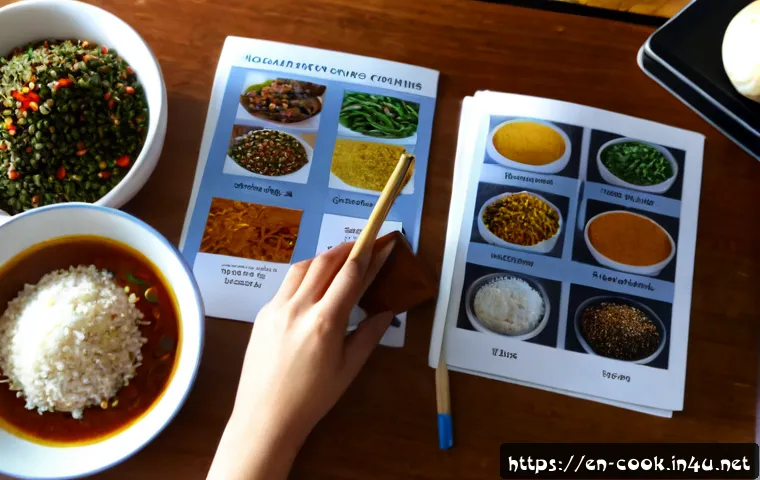
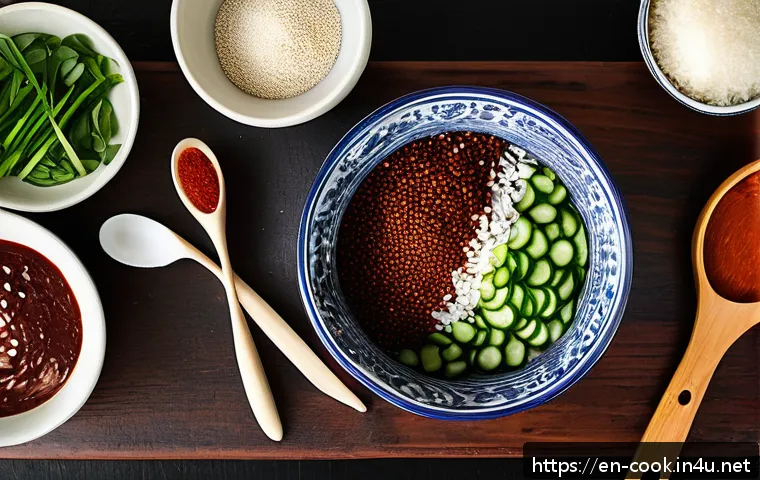
Korean cooking revolves around unique ingredients that create its distinct flavors. From fermented staples like gochujang (red chili paste) and doenjang (soybean paste) to essentials like sesame oil, garlic, and green onions, knowing how to select and balance these ingredients is fundamental.
When preparing for certification, I found that experimenting with different brands and freshness levels helped me appreciate subtle flavor variations.
For instance, freshly ground sesame seeds provide a nuttier aroma than pre-ground ones, which can elevate simple dishes like namul (seasoned vegetable side dishes).
Mastery here means more than just recognition—it’s about understanding how these ingredients interact and complement each other in various recipes.
Balancing Flavors for Authentic Taste
Achieving the perfect harmony of salty, sweet, sour, bitter, and umami flavors is a skill that sets top candidates apart. Korean cuisine’s charm lies in this balance, often achieved through fermentation, seasoning, and layering techniques.
In my own experience, learning to adjust the intensity of gochujang or the saltiness of soy sauce based on the dish was a game-changer. This skill is vital for the practical exam where you must replicate traditional dishes faithfully but also demonstrate subtle personal touches without straying from authentic flavor profiles.
Ingredient Preparation Techniques
Precision in ingredient prep—slicing, marinating, fermenting—is critical for Korean culinary certification. I remember practicing julienne cuts on radish and cucumber repeatedly because texture impacts not only appearance but mouthfeel.
Additionally, fermenting kimchi or soybean pastes requires timing and environmental control knowledge, which is often tested theoretically and practically.
Candidates who can explain and demonstrate these preparation techniques confidently tend to impress examiners and show true culinary understanding.
Essential Cooking Techniques for Korean Dishes
Mastery of Fermentation Processes
Fermentation is the heart of Korean cuisine, and understanding its science and practice is indispensable. Whether it’s kimchi, doenjang, or ganjang (soy sauce), each requires specific temperature control, salt ratios, and fermentation times.
When I prepared for my certification, I kept a fermentation log to track how different conditions altered the final product’s taste and texture. This hands-on approach helped me answer in-depth questions during the oral exam and demonstrated genuine expertise.
Moreover, the ability to troubleshoot fermentation issues, like off-flavors or texture problems, is highly valued.
Grilling and Pan-Frying Techniques
Korean barbecue and jeon (pancakes) are iconic, demanding precise heat control and timing. I noticed that candidates who could control charcoal grilling temperatures or manage pan heat to achieve crispy yet tender results stood out.
Practicing these techniques at home with a portable grill or cast-iron skillet helped me develop an intuitive feel for doneness without relying solely on timers.
This skill reflects an experienced chef’s touch and often influences practical test scores heavily.
Soup and Stew Preparation Skills
Korean soups (guk) and stews (jjigae) require layering of flavors through broths and seasoning. The process starts with selecting the right base—beef bones, anchovies, or dried kelp—and simmering for hours to extract umami.
I found that knowing the difference between clear soups and hearty stews, and when to add vegetables or tofu, was essential. Candidates must also demonstrate seasoning adjustments during cooking to maintain balance.
This technical knowledge combined with hands-on practice ensures a robust understanding necessary for certification success.
Presentation and Plating Techniques
Traditional Korean Plating Aesthetics
Presentation in Korean cuisine is about simplicity and harmony, reflecting the natural beauty of ingredients. When I practiced plating, I focused on symmetry, color contrast, and appropriate portion sizes to mirror authentic dining experiences.
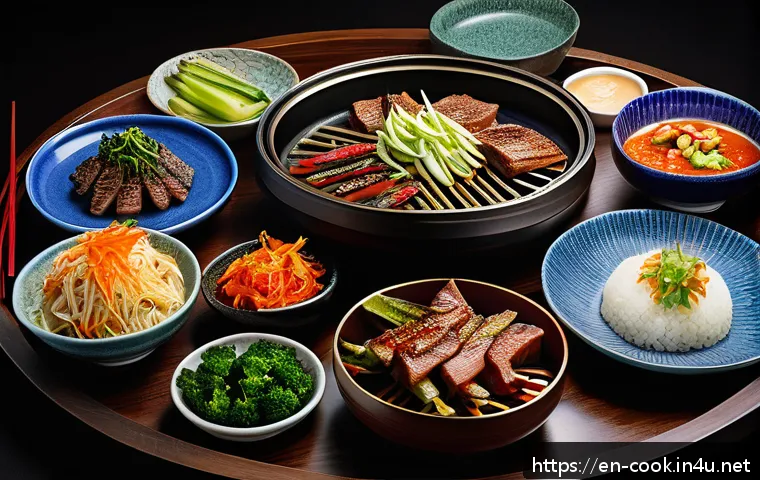
Korean meals often feature multiple banchan (side dishes) arranged around a main dish, so understanding spatial balance on the table is crucial. During the exam, a well-plated dish not only appeals visually but also shows respect for tradition and attention to detail, which examiners highly appreciate.
Modern Twists While Respecting Tradition
While authenticity is critical, the certification process also rewards creativity within cultural boundaries. I experimented by adding subtle modern plating elements—like edible flowers or minimalist garnishes—without overwhelming traditional components.
This approach allowed me to demonstrate innovation and adaptability, skills increasingly valued in Korea’s evolving culinary scene. Showing that you can honor tradition while appealing to contemporary palates is a big plus for career growth after certification.
Effective Use of Garnishes and Serving Utensils
Garnishes in Korean cuisine aren’t just decorative but often enhance flavor and texture, like toasted sesame seeds or finely sliced chili. I learned to apply garnishes thoughtfully to complement rather than distract.
Additionally, using traditional serving utensils like brass chopsticks or stone bowls correctly can impact the overall dining experience. Demonstrating knowledge of these details during certification exams signals professionalism and cultural sensitivity, which are important markers of a skilled Korean chef.
Time Management and Efficiency in Korean Kitchens
Streamlining Preparation Steps
One of the biggest challenges in Korean culinary certification is managing complex dishes within limited time frames. I found that breaking down recipes into prep, cooking, and plating stages, then practicing them repeatedly, improved my speed and accuracy.
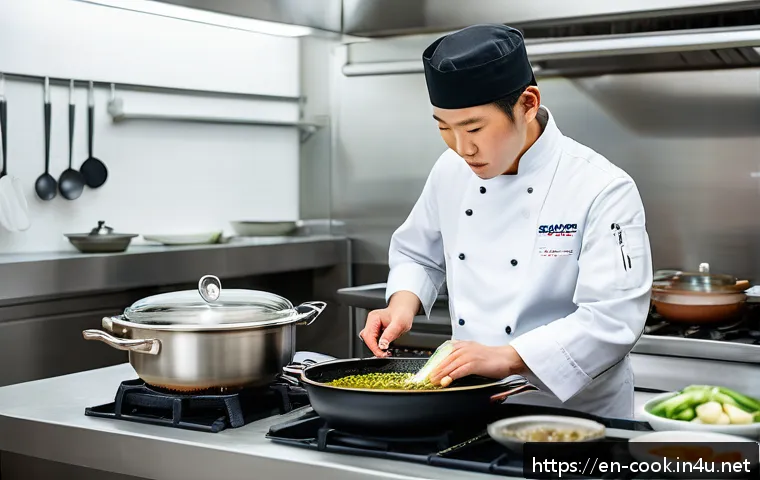
For example, pre-soaking rice or pre-fermenting kimchi allowed me to focus on cooking during the exam. Efficient mise en place (setting up ingredients and tools before cooking) was a game-changer, reducing stress and mistakes under timed conditions.
Prioritizing Multi-Dish Coordination
Korean meals often involve several dishes served simultaneously, requiring multitasking skills. I practiced juggling different cooking methods—like grilling meat while simmering soup and prepping side dishes—to build coordination.
This experience helped me stay calm and organized during certification practicals. Being able to prioritize tasks based on cooking times and ingredient readiness is essential and demonstrates a professional chef’s mindset.
Maintaining Quality Under Pressure
Working quickly without sacrificing quality is a hallmark of certified chefs. I noticed that during practice sessions, pacing myself and tasting each component repeatedly ensured consistent results.
Developing this balance between speed and quality took time but was crucial for passing the practical exam. Examiners often look for chefs who can maintain high standards despite pressure, reflecting real-world kitchen demands.
Understanding Korean Culinary Culture and Etiquette
Respect for Ingredients and Tradition
Korean cuisine is deeply tied to cultural values like respect for nature and seasons. I learned that demonstrating this respect during certification—such as explaining the significance of seasonal ingredients or traditional fermentation methods—enhances credibility.
This cultural knowledge shows you’re not just cooking recipes but embracing a heritage, which examiners find impressive and important.
Dining Etiquette and Presentation Norms
Knowing how Korean meals are traditionally served and eaten is part of the certification. For example, understanding the proper use of chopsticks, communal sharing of dishes, and seating arrangements conveys respect and professionalism.
I practiced these customs during mock presentations, which helped me answer related questions confidently and demonstrate comprehensive culinary competence.
Role of Korean Cuisine in Contemporary Food Trends
Korean food has exploded globally, influencing fusion and health-conscious dining. Being aware of how traditional dishes adapt in modern contexts—like kimchi’s probiotic benefits or bibimbap’s nutritional balance—allows candidates to discuss Korean cuisine’s evolving role intelligently.
This perspective highlights your engagement with current food trends and positions you as a knowledgeable ambassador for Korean cooking.
Common Pitfalls and How to Avoid Them
Over-Reliance on Recipes Without Understanding
Many aspiring chefs focus on memorizing recipes rather than grasping underlying techniques. I made this mistake initially but soon realized that flexibility and understanding ingredient functions were key to adapting dishes under exam conditions.
Developing intuition through hands-on experience rather than rote learning leads to better performance and deeper culinary insight.
Neglecting Sensory Evaluation
Taste testing is often underestimated but critical. I found that constantly tasting during cooking helped me adjust seasoning and texture, preventing bland or unbalanced results.
Ignoring this step can lead to failing practical exams since examiners expect dishes that are both authentic and well-seasoned.
Poor Time Allocation During Practical Tests
Underestimating the time needed for complex steps is a frequent problem. I recommend timed rehearsals to build awareness of how long each dish takes and identify bottlenecks.
This preparation reduces stress and allows for contingency plans if something runs late, ultimately improving exam outcomes.
| Core Skill | Why It Matters | Tips for Mastery |
|---|---|---|
| Ingredient Knowledge | Foundation for authentic flavors and recipe adaptation | Experiment with brands and freshness; learn fermentation basics |
| Cooking Techniques | Ensures traditional taste and texture accuracy | Practice grilling, fermentation, and soup broths repeatedly |
| Presentation Skills | Reflects respect for culture and enhances dining experience | Focus on balance, color, and traditional plating aesthetics |
| Time Management | Critical for multi-dish preparation under exam conditions | Use mise en place and timed practice sessions |
| Cultural Understanding | Demonstrates professionalism and culinary heritage respect | Learn dining etiquette and cultural significance of dishes |
Closing Thoughts
Mastering Korean cuisine requires dedication to understanding its ingredients, techniques, and cultural roots. Through hands-on practice and mindful learning, you can achieve authentic flavors and impressive presentation. Embracing both tradition and creativity will set you apart as a skilled chef. Remember, patience and attention to detail are your best allies on this journey.
Helpful Tips
1. Always taste your dishes throughout the cooking process to maintain balanced flavors and avoid mistakes.
2. Practice mise en place to stay organized and efficient, especially when preparing multiple dishes.
3. Experiment with different ingredient brands and freshness to discover subtle flavor nuances.
4. Respect cultural dining etiquette to deepen your understanding and demonstrate professionalism.
5. Keep a fermentation journal to track how variations affect taste and texture for better control.
Key Takeaways
Success in Korean culinary certification hinges on a solid grasp of ingredient roles, mastery of essential cooking techniques like fermentation and grilling, and the ability to present dishes with cultural sensitivity. Efficient time management and a genuine respect for tradition will not only help you excel in exams but also prepare you for a rewarding career in Korean cuisine.
Frequently Asked Questions (FAQ) 📖
Q: uestions about Korean Culinary CertificationQ1: What practical skills are most critical to master for passing the Korean Culinary Certification?
A: From my experience and conversations with certified chefs, mastering knife skills tailored to Korean ingredients is fundamental. This includes precision in slicing vegetables like napa cabbage for kimchi or julienning radish for various banchan.
Additionally, understanding fermentation techniques, such as making authentic kimchi or doenjang, is crucial since these processes define the flavors of Korean cuisine.
Candidates should also be comfortable with traditional cooking methods like grilling (galbi or bulgogi) and managing fermentation temperatures. Hands-on practice with these skills significantly boosts confidence and performance during the certification.
Q: How can a home cook with limited professional experience effectively prepare for the certification exam?
A: As someone who started Korean cooking at home, I found that consistent practice with authentic recipes helped bridge the gap. Start by sourcing quality Korean ingredients from local markets or online stores to replicate authentic flavors.
Watching tutorial videos by Korean chefs and joining cooking workshops can provide practical insights that books often miss. Also, practicing plating and presentation is important since the exam evaluates not just taste but overall dish appeal.
Building a small network of fellow Korean food enthusiasts for feedback can make preparation more engaging and effective.
Q: Are there specific industry trends in Korean cuisine that candidates should be aware of to stand out during certification?
A: Absolutely. The Korean culinary scene is evolving with a growing emphasis on fusion dishes that respect traditional flavors while innovating with global ingredients.
Familiarity with these trends, like incorporating seasonal, plant-based ingredients into classic recipes or mastering modern plating techniques, can set you apart.
Additionally, sustainability practices, such as reducing food waste and sourcing ethically, are increasingly valued. Demonstrating awareness of these trends during your certification can showcase your professional insight and adaptability in today’s culinary landscape.