Navigating the Japanese Culinary Skills Test can feel overwhelming, especially with the rising interest in authentic Japanese cuisine worldwide. As more aspiring chefs dive into mastering these traditional techniques, understanding how to excel in the practical exam becomes crucial.
Whether you’re aiming to sharpen your knife skills or perfect sushi rolling, this guide offers insider tips that boost your confidence and performance.
Stick around if you want to turn your passion for Japanese cooking into a certified skill, making your journey both rewarding and successful. Let’s dive into the essential strategies that can help you pass with flying colors!
Mastering Essential Knife Techniques for Precision and Speed
Understanding the Different Japanese Knives and Their Uses
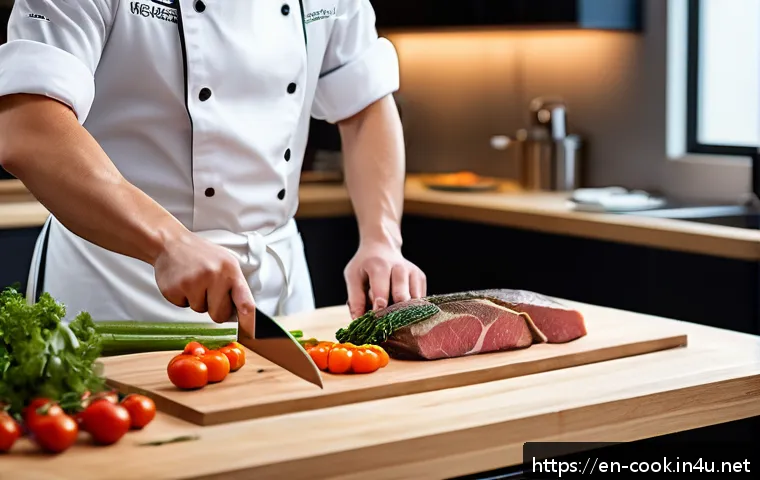
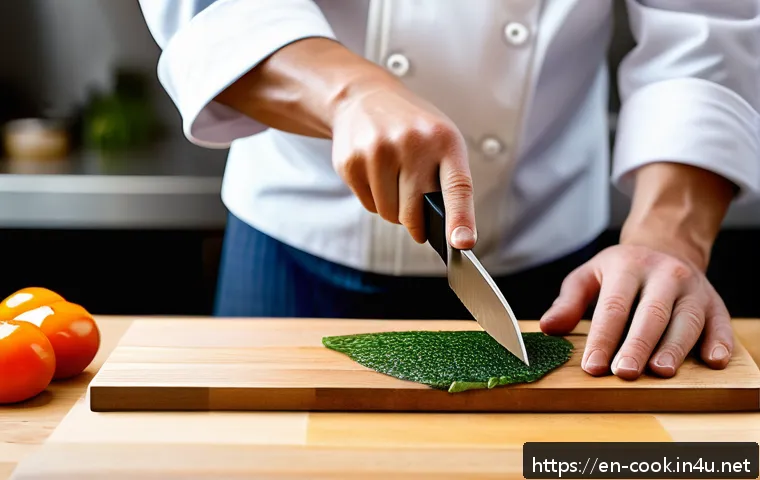
When preparing for the culinary skills test, getting familiar with the variety of Japanese knives is a game changer. Each knife has a specific role: the yanagiba excels at slicing raw fish for sushi, while the usuba is perfect for delicate vegetable cuts.
I remember the first time I tried using a yanagiba—it felt awkward, but with practice, the precision it offers is unmatched. Knowing which knife to use for which task not only boosts your efficiency but also impresses examiners with your attention to detail.
It’s worth investing time into mastering their handling before the test day.
Practicing Basic Cuts with Consistency
Consistency is everything in knife skills. During my preparation, I set up daily drills focusing on the three most common cuts: katsuramuki (rotary peeling), julienne, and fine dicing.
I timed myself to improve speed without sacrificing accuracy, which really paid off. The key is muscle memory—repeating the same motion until it becomes second nature.
Examiners often look for neat, uniform cuts, so rushing can be your downfall. Trust me, slow and steady practice leads to sharp, clean results.
Maintaining Sharpness and Knife Safety
A dull knife can ruin your entire performance, so maintaining blade sharpness is non-negotiable. I found that honing my knives daily with a whetstone kept them razor-sharp and prevented accidents.
Also, always keep your fingers curled inward, like a claw grip, to avoid cuts. It might sound basic, but nerves can make you forget safety protocols during the exam.
Practicing safe techniques consistently gave me confidence and prevented any mishaps.
Perfecting Sushi Rolling and Presentation Skills
Choosing the Right Ingredients and Rice Preparation
The foundation of excellent sushi is the rice. For the test, I made sure to use the correct short-grain Japanese rice, washing it thoroughly until the water ran clear.
Cooking the rice with precise water ratios and letting it steam properly made all the difference. Vinegar seasoning was another step I practiced extensively, balancing sweetness and acidity to complement the fish.
These small details elevate your sushi beyond just taste—they show your dedication to authenticity.
Mastering the Art of Rolling Maki
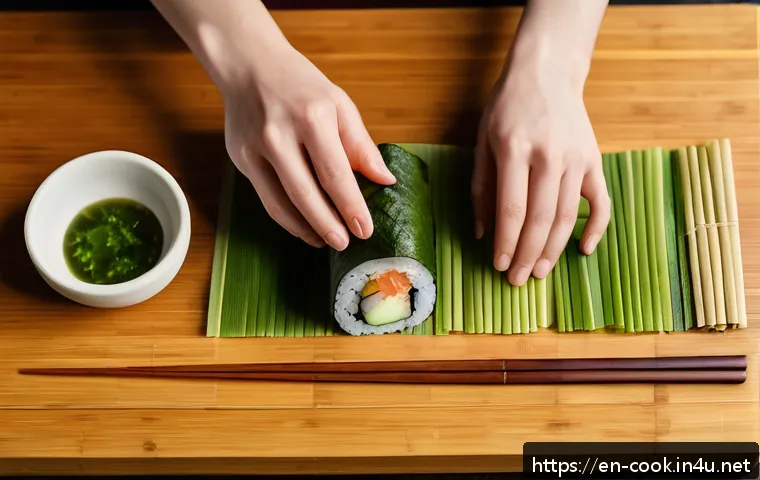
Rolling sushi isn’t just about wrapping ingredients in seaweed; it’s about controlling pressure and distribution. I used a bamboo mat and practiced rolling with different fillings, paying attention to how tight the roll was.
Too tight, and the roll would burst; too loose, and it would fall apart. Watching my rolls slice cleanly into neat pieces was incredibly satisfying and a clear sign that my technique was improving.
This skill definitely stood out during my exam evaluation.
Creative Yet Traditional Presentation Techniques
Presentation is where you can let your personality shine while respecting tradition. I experimented with garnishes like thinly sliced cucumber, shiso leaves, and delicate wasabi placement.
The examiners appreciate when you balance color and symmetry without overdoing it. I found that arranging sushi pieces with slight overlaps and adding a touch of pickled ginger on the side created an inviting plate.
Thoughtful plating shows your understanding of Japanese aesthetics.
Time Management Strategies During Practical Tests
Breaking Down the Exam Into Manageable Segments
One of the biggest challenges is completing all tasks within the allotted time. I divided the exam into stages: ingredient prep, cooking, assembly, and plating.
Setting internal timers during practice runs helped me develop a rhythm and avoid panic. For example, allocating 10 minutes for knife prep and 15 minutes for sushi rolling kept me on track.
This segmentation ensures no step gets rushed or skipped, which is crucial for scoring well.
Prioritizing Tasks Based on Difficulty and Importance
I quickly learned to tackle the more complex or time-consuming tasks first. For me, that meant prepping the rice and knife cuts early, so I wasn’t scrambling at the end.
Simple garnishes or final touches were saved for last, as they require less time but add significant polish. This priority system helped me stay calm and focused, avoiding the common trap of spending too long on one element and neglecting others.
Staying Calm Under Pressure
Keeping a clear head is easier said than done. I practiced mindfulness techniques before and during the exam to manage stress. Deep breathing and positive self-talk helped me maintain steady hands and sharp focus.
When a mistake happened, I reminded myself it wasn’t the end of the world—just move on and do your best. This mindset turned the exam from a nerve-wracking ordeal into a manageable challenge.
Understanding Ingredient Quality and Selection
Identifying Freshness in Seafood and Vegetables
Freshness is non-negotiable, especially for raw dishes like sashimi and sushi. I learned to recognize the subtle cues: clear eyes and firm flesh in fish, vibrant color and crisp texture in vegetables.
One time during practice, I almost used fish that smelled slightly off, but catching that mistake early saved me from a potential exam fail. Trust your senses and never hesitate to discard questionable ingredients.
Balancing Flavors with Traditional Seasonings
Japanese cuisine thrives on harmony. I experimented with soy sauce, mirin, sake, and dashi to create balanced flavors that complement rather than overpower.
Tasting frequently during prep helped me adjust seasoning gradually. This nuanced approach impressed my instructors because it showed understanding rather than blindly following recipes.
Adapting to Seasonal Availability
Seasonality affects ingredient choice and flavor profiles. During my study, I paid attention to what was fresh and in season locally, substituting where necessary without losing authenticity.
This flexibility is appreciated by examiners because it demonstrates practical knowledge and respect for Japanese culinary philosophy.
Efficient Workspace Setup and Hygiene Practices
Organizing Tools and Ingredients Before Starting
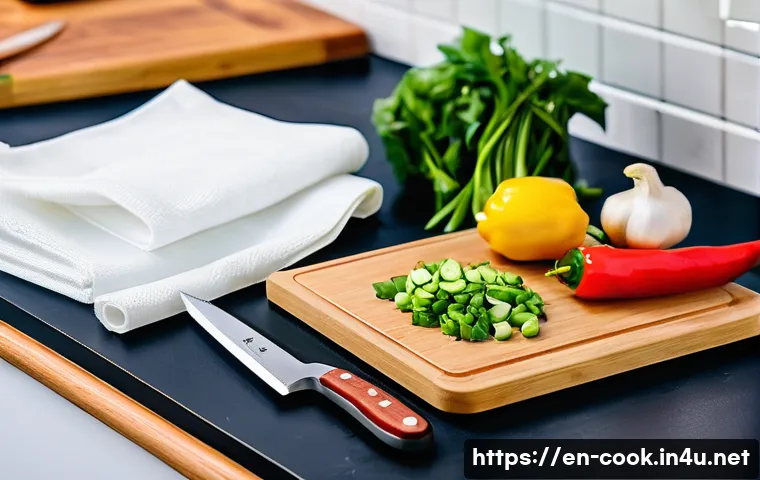
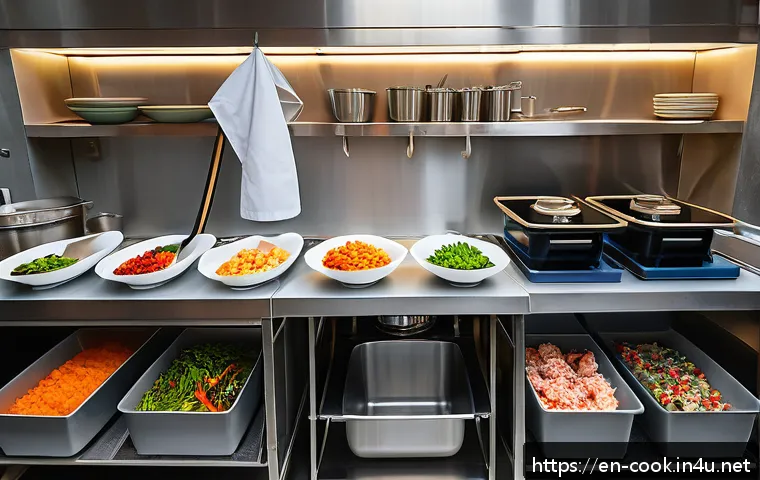
A cluttered workspace is a recipe for disaster. I always arranged knives, cutting boards, bowls, and ingredients neatly before starting any task. This setup minimized unnecessary movements and saved precious seconds.
It also projected professionalism, which examiners notice. Having everything within arm’s reach made my workflow smooth and efficient.
Maintaining Cleanliness Throughout the Exam
Constant cleaning prevents cross-contamination and keeps the environment safe. I wiped surfaces regularly and washed hands between tasks, just like in real kitchens.
Staying clean not only affects the health aspect but also the overall impression. Examiners often comment on candidates who keep their area tidy amid the chaos—it shows discipline and respect.
Proper Waste Disposal and Tool Care
Disposing of scraps immediately and sharpening knives mid-exam when possible helped me maintain efficiency. I used designated containers for different types of waste, which kept my space organized.
Caring for tools by wiping and drying them after use prevented accidents and preserved their quality for future tests.
Key Techniques and Common Pitfalls in Cooking Japanese Dishes
Achieving the Perfect Texture and Doneness
Japanese cuisine values subtle textures—crispy tempura, tender simmered dishes, and perfectly al dente noodles. I practiced timing cooking processes precisely, using a timer and sensory cues like aroma and color.
One mistake I made early on was overcooking tamago (Japanese omelet), but adjusting the heat and timing fixed that. This focus on texture can differentiate an average dish from a great one.
Balancing Heat and Flame Control
Controlling heat is tricky but essential. I tested different burners and pans to understand how quickly they heat and cool. For tempura, maintaining oil temperature around 170-180°C was critical; too hot and the batter burnt, too low and it became greasy.
Mastering this balance took trial and error but was vital for exam success.
Common Mistakes to Avoid During Practical Exams
Some pitfalls I noticed among peers included rushing through prep, neglecting knife safety, and poor plating. For instance, not drying ingredients properly before frying led to soggy textures.
Being aware of these common errors helped me stay vigilant and prepared to deliver a polished performance.
| Skill Area | Key Focus | Practice Tips | Common Mistakes |
|---|---|---|---|
| Knife Techniques | Proper knife selection and consistent cuts | Daily drills with different knives, timed sessions | Dull blades, uneven cuts, unsafe handling |
| Sushi Rolling | Ingredient balance and rolling pressure | Practice with various fillings, use bamboo mat | Loose rolls, uneven slicing, poor rice seasoning |
| Time Management | Task segmentation and priority | Simulate exam timing, plan workflow | Rushing, neglecting tasks, panicking |
| Ingredient Quality | Freshness and seasonality | Learn sensory cues, adapt recipes seasonally | Using old or unsuitable ingredients |
| Workspace Hygiene | Organization and cleanliness | Set up before starting, clean regularly | Clutter, cross-contamination, poor waste disposal |
| Cooking Techniques | Texture, heat control | Use timers, test temperatures | Overcooking, uneven heat, soggy textures |
Building Confidence Through Repeated Mock Exams
Simulating the Exam Environment at Home
I recreated the exam setup in my kitchen, complete with time limits and ingredient lists. This realistic practice helped me get comfortable with pressure and identify weak spots.
It’s amazing how much nerves can affect performance, but repeated exposure to the scenario builds resilience.
Seeking Feedback from Experienced Mentors
Having a mentor watch your mock exams and provide honest feedback is invaluable. They can spot subtle mistakes or inefficiencies you might miss. I was lucky to find a former certified chef who guided me, pushing me to refine techniques and presentation.
Their insights boosted my confidence tremendously.
Tracking Progress and Adjusting Strategies
Keeping a journal of practice sessions, noting what went well and what didn’t, helped me fine-tune my approach. For example, I realized I consistently struggled with timing the rice cooking, so I dedicated extra sessions to that.
This self-awareness and adaptability are key to turning passion into certified skill.
In Conclusion
Mastering knife techniques and sushi preparation requires dedication and consistent practice. By focusing on precision, ingredient quality, and time management, you can confidently excel in any culinary exam. Remember, patience and attention to detail are your greatest allies in achieving professional-level skills. Keep refining your methods, and success will follow.
Helpful Tips to Remember
1. Always choose the right knife for each task to improve efficiency and accuracy.
2. Practice basic cuts daily to build muscle memory and ensure uniformity.
3. Maintain your knives sharp and prioritize safety to avoid accidents.
4. Balance flavor by understanding traditional seasonings and adjusting to seasonality.
5. Organize your workspace and clean regularly to maintain hygiene and professionalism.
Key Takeaways for Success
Effective preparation hinges on selecting appropriate tools and ingredients, practicing consistently, and managing time wisely during tests. Prioritize complex tasks early, keep calm under pressure, and pay close attention to presentation details. Embracing these principles not only boosts performance but also reflects a deep respect for culinary traditions and standards.
Frequently Asked Questions (FAQ) 📖
Q: What are the most important skills to focus on for the practical Japanese Culinary Skills Test?
A: From my experience, mastering precise knife techniques is absolutely essential since many dishes rely on perfect cuts for texture and presentation. Beyond that, practicing sushi rolling repeatedly helps build muscle memory, so your hands move confidently during the exam.
Don’t overlook plating skills either—how you present the dish can make a big difference in scoring. Focusing on these core areas gives you a solid foundation to impress the examiners.
Q: How can I manage time effectively during the practical exam?
A: Time pressure can be intense, but the key is to simulate exam conditions during your practice sessions. I found setting strict timers while preparing each dish helped me get comfortable working efficiently without rushing.
Prioritize the steps that have the most impact on flavor and appearance, and keep your workstation organized to minimize wasted motion. Staying calm and focused under time constraints really boosts your overall performance.
Q: Are there any insider tips to reduce stress and boost confidence before the test?
A: Absolutely! One thing that worked wonders for me was doing a full mock test with friends or mentors acting as examiners. This made the real test feel less intimidating.
Also, familiarizing yourself with the exam format and checklist beforehand removes a lot of surprises. On test day, a quick breathing exercise or visualization of success can calm nerves.
Remember, the examiners want to see your passion and skill, so trust your preparation and enjoy the process.