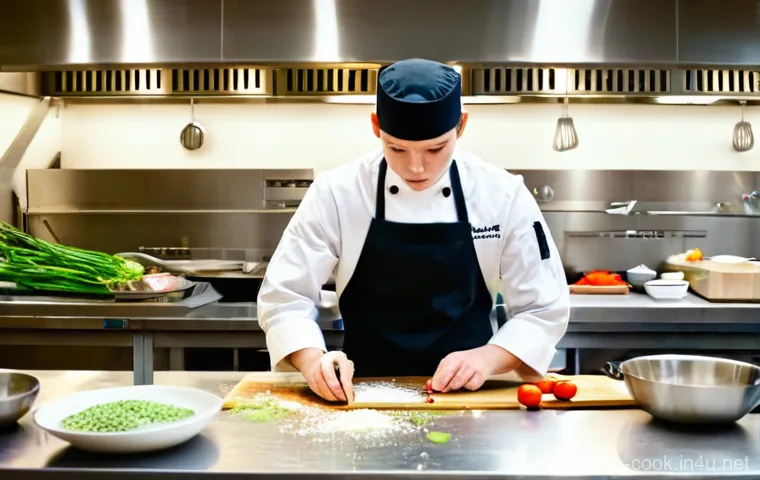
Hey there, fellow foodies and aspiring culinary wizards! If you’re anything like I was, you’ve probably spent countless hours dreaming of that perfect dish, that flawless plating, and the moment you finally ace your practical culinary exam.
You’ve devoured cookbooks, watched every cooking show, and chopped enough onions to make an entire city weep. But let’s be real – the pressure of an exam kitchen is a whole different beast, isn’t it?
I’ve seen firsthand, both as a student and observing others, how even the most talented aspiring chefs can trip up on surprisingly common mistakes that have absolutely nothing to do with their cooking skills.
It’s frustrating, I know! It’s not always about forgetting a recipe or messing up a sauce; sometimes, it’s the subtle missteps that can quietly sabotage your perfect score.
My personal experience taught me that preparation goes beyond just knowing your ingredients and techniques. So, what are these sneaky blunders that so many talented individuals overlook?
Let’s dive in and uncover exactly what you need to know to ace your practical exam, right here!
The Silent Saboteur: Mismanaging Your Station
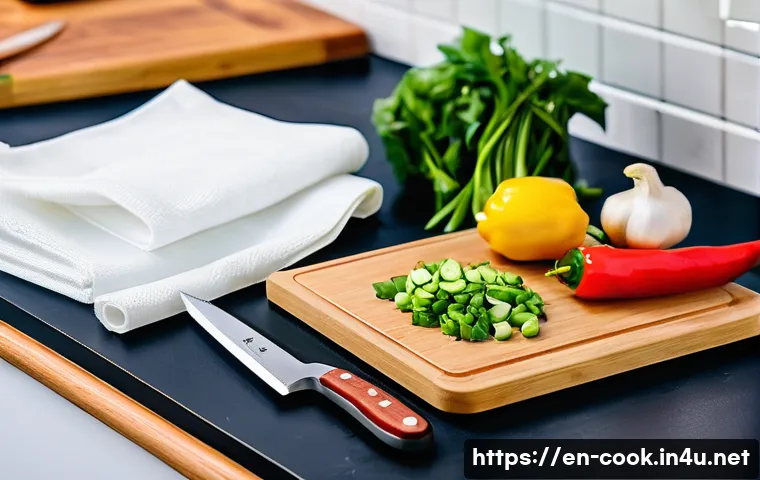
Okay, let’s kick things off with something I’ve seen trip up even the most seasoned home cooks entering the exam kitchen: the absolute chaos that can erupt around your workspace if you’re not vigilant. It’s like a domino effect – one misplaced knife, one un-wiped spill, and suddenly your perfectly planned cooking sequence crumbles. I remember watching a fellow student, incredibly talented with flavors, completely fluster himself during a soup practical because his station looked like a culinary war zone. His cutting board was covered in scraps, his measuring spoons were buried under a pile of prepped vegetables, and he spent valuable minutes just *looking* for things. This isn’t just about aesthetics; it’s about efficiency and, frankly, safety. A cluttered space leads to fumbling, accidents, and ultimately, wasted time. And trust me, every second counts when that exam clock is ticking down relentlessly. From my own early days, I learned that a clean, organized station isn’t a luxury; it’s the fundamental bedrock upon which all successful cooking is built, especially in a high-pressure environment. It affects your flow, your speed, and even your ability to think clearly. If you can’t find your whisk, how can you whisk that sauce to perfection? It’s a simple concept, but incredibly easy to overlook when adrenaline is pumping.
The Perils of a Disorganized Workspace
When you first step into that kitchen, brimming with ingredients and equipment, it’s easy to get overwhelmed. But what I’ve realized, both through my own trials and watching others, is that a failure to establish a proper mise en place (everything in its place) from the very beginning can quickly snowball. You grab a knife, use it, then just set it down wherever. You chop some herbs, then leave the trimmings on your board. Before you know it, you’re navigating an obstacle course just to get from your cutting board to your stovetop. This disarray isn’t just unsightly; it introduces critical inefficiencies. Imagine you’re frantically trying to temper eggs for a hollandaise, and you can’t find your whisk, or your clarification for the butter is across the room. These seemingly minor delays compound, costing you precious minutes you could be spending on perfecting your dish. I’ve personally experienced the sheer panic of looking for a crucial ingredient or utensil that I swore I just had, only to find it under a towel or amidst a pile of discarded vegetable peels. It’s a preventable stressor that absolutely drains your focus and confidence during an exam, and it’s one of those things that examiners notice immediately – a sign of a less-than-professional approach.
Clean As You Go: Your Secret Weapon
This isn’t just a mantra; it’s a lifeline in a practical exam. I cannot stress enough how much of a game-changer “clean as you go” truly is. When I first started, I used to think I’d save all the cleaning for the end, focusing solely on the cooking. Big mistake! By the time my dish was plated, my station was a disaster, and I was left scrambling to tidy up in the last two minutes, often missing crucial details like wiping down the counter or properly storing ingredients. What I’ve learned, and what I preach to anyone asking, is that incorporating cleaning into your workflow isn’t just about presentation for the examiner; it’s about maintaining a clear head and a functional space. Finished chopping? Scrape the scraps into your compost bin immediately. Used a bowl? Give it a quick rinse and put it in the designated washing area. Spilled a little flour? Wipe it up right then and there. This continuous tidying prevents a build-up of mess, ensures you always have a clean surface to work on, and significantly reduces the amount of frantic cleanup you’ll have to do at the very end. It signals professionalism and competence, and honestly, it just makes the whole experience so much less stressful. It’s truly your secret weapon against chaos and for maintaining peak performance.
Clocking Out Before You Start: Time Management Traps
Hands up if you’ve ever felt the sheer terror of realizing you have five minutes left, and your most crucial element is still simmering slowly on the stove, or your delicate garnish isn’t even prepped yet? Yeah, I’ve been there, and it’s a gut-wrenching feeling that can absolutely derail an otherwise fantastic dish. Time management in a practical culinary exam isn’t just about having a watch; it’s about developing an internal clock and a strategic plan that accounts for every single step, from mise en place to plating. I’ve witnessed countless aspiring chefs, incredibly skilled in their craft, completely crumble because they misjudged the cooking time for a protein or spent too long perfecting a small detail, only to run out of time for a major component. It’s not always about cooking faster, but cooking smarter and being acutely aware of the sequence of operations. This is where your ability to visualize the entire process, predict potential delays, and prioritize tasks truly shines. My own biggest breakthrough came when I stopped just ‘following’ the recipe’s timing and started actively ‘managing’ my own schedule within the allotted window, always building in a buffer for the inevitable unforeseen hiccup. It’s a skill that’s as critical as knife work or flavor balancing.
The Illusion of Endless Time
One of the most insidious traps in a practical exam is falling for the “I have plenty of time” illusion, especially at the beginning. You start off calmly, meticulously prepping your vegetables, maybe even chatting a bit, feeling totally in control. But what you’re often not accounting for are the cumulative times of multiple components that all need to be ready simultaneously, or the unexpected moments when something just doesn’t go right. I remember one exam where I was so focused on making my consommé crystal clear, meticulously skimming foam, that I utterly neglected to start my main protein on time. By the time I realized my mistake, the clock was ticking down, and I had to rush the cooking, compromising the quality. This is a common pitfall: getting too absorbed in one task and losing sight of the overall timeline. It’s about understanding that while a recipe might say “simmer for 20 minutes,” those 20 minutes are impacting *everything else* you need to do in parallel. My advice, honed through experience, is to always work backward from your final plating time, allocating realistic durations for each step, and then, crucially, shaving a few minutes off each to create a safety net. This proactive approach helps you stay ahead of the curve rather than constantly playing catch-up.
Prioritizing Under Pressure
When the clock is ticking and things aren’t going perfectly – because let’s be real, they rarely do in a high-pressure environment – your ability to prioritize becomes paramount. This isn’t just about knowing what to do next; it’s about knowing what absolutely *has* to be done, what can be tweaked if time allows, and what can be dropped if you’re truly in a pinch. I’ve seen students spend ten minutes fussing over a perfectly uniform julienne for a garnish, only to completely undercook their main protein because they ran out of time. In these moments, you have to be ruthless with your decisions. Is that elaborate garnish more important than a perfectly cooked piece of fish? Absolutely not. Your main components and their proper execution should always take precedence. I’ve personally had to make the tough call of simplifying a plating design or omitting a minor element because I realized I was running behind on a critical sauce or cooking a vegetable to the correct doneness. It stings a little, but it’s a far better outcome than presenting an incomplete or poorly cooked dish. Learning to triage your tasks and focus on the core requirements of the dish is a skill that only comes with practice and a clear understanding of what truly matters to the judges.
| Common Time Management Pitfalls | Pro-Tips for Success |
|---|---|
| Underestimating prep time for complex ingredients. | Pre-plan your full mise en place sequence, including any advanced steps. |
| Getting distracted or overly meticulous on minor details early on. | Allocate specific time blocks for each task; tackle major components first. |
| Not accounting for oven preheating or water boiling times. | Factor in all ‘passive’ cooking/heating times into your overall schedule. |
| Failing to create a buffer for unexpected mistakes or delays. | Aim to finish 5-10 minutes early; build in contingency time. |
| Lack of a clear sequence for simultaneous tasks. | Write down a detailed step-by-step timeline, including parallel activities. |
The Unseen Judge: Presentation Perfection (and Pitfalls)
You’ve cooked your heart out, the flavors are spot-on, and you’re feeling pretty good about your dish. Then comes plating, and suddenly, that invisible judge in your head starts nitpicking every crumb and smudge. It’s a real moment of truth, isn’t it? Presentation isn’t just the cherry on top; it’s the first thing an examiner sees, and it sets the tone for their entire tasting experience. I’ve watched brilliant dishes get marked down because they looked, for lack of a better word, messy or uninspired. It’s a common mistake to think that if the food tastes good, the looks don’t matter as much. Oh, but they do! We eat with our eyes first, and in an exam setting, a clean, thoughtful presentation communicates professionalism and respect for the ingredients. My own early plating attempts were, shall we say, rustic. I focused so much on cooking that the final arrangement was an afterthought, often just dolloped onto the plate. It was a harsh lesson to learn that even a perfectly cooked dish can suffer if it doesn’t entice visually. This isn’t about creating edible art every time, but about understanding balance, color, texture, and how to make each component sing on the plate without overdoing it. It’s a delicate dance between simplicity and elegance, and it takes practice to get it just right.
Plating with Purpose: The First Impression
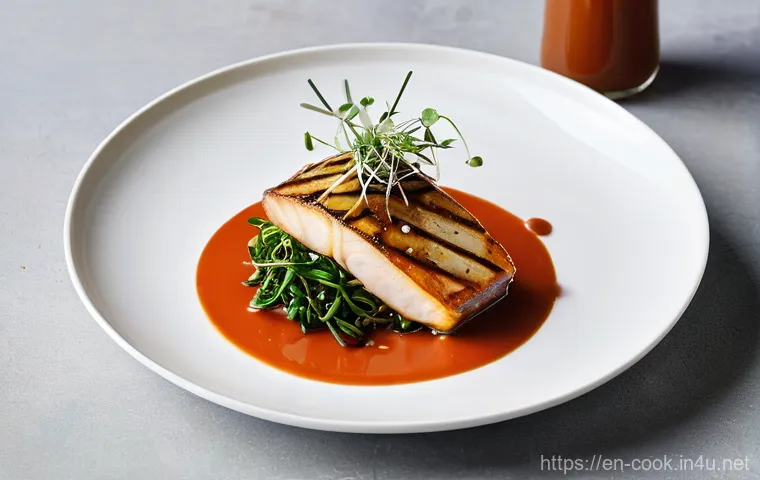
Think of your plate as a blank canvas, and each component of your dish as a brushstroke. The way you arrange them tells a story, and you want that story to be one of care, precision, and appetite appeal. What I’ve found consistently is that a thoughtful approach to plating makes a world of difference. It’s not just about getting the food onto the plate; it’s about considering height, negative space, and how the colors and textures play off each other. For example, a dollop of sauce strategically placed, a sprinkle of fresh herbs, or a piece of protein perfectly centered can elevate a dish from ‘good’ to ‘wow.’ I once saw a student lose points because their perfectly seared scallops were just haphazardly piled on top of a risotto, making it look heavy and unappetizing. Conversely, another student with a slightly less refined flavor profile scored higher because their presentation was immaculate – clean edges, balanced portions, and a clear focal point. The first impression is absolutely critical, and a well-composed plate immediately suggests a chef who pays attention to detail and respects their craft. It speaks volumes before the first bite is even taken, subtly influencing the judge’s perception in a positive way. It’s a powerful, silent communicator of your skill and artistry.
Garnishing Gone Wild: Less is Often More
Ah, the garnish! The final flourish, the little pop of color or texture that can complete a dish. Or, if done incorrectly, it can be the element that drags it down. I’ve personally been guilty of this: thinking that more is better, piling on a cascade of herbs or an elaborate, fussy decoration. What I learned, through some gently delivered critiques, is that garnishing gone wild can actually detract from your main dish. It can make the plate look cluttered, confusing, and sometimes, even unprofessional. The purpose of a garnish is to enhance, not overpower. It should add a complementary flavor, a contrasting texture, or a visual appeal that elevates the overall presentation. If your dish is already vibrant with fresh vegetables, a simple sprig of parsley or a swirl of infused oil might be all it needs. I remember an examiner once telling me, “If it doesn’t belong on the plate, it shouldn’t be there.” That really stuck with me. A perfectly executed, minimalist garnish often speaks volumes more than an overly elaborate one. It shows confidence in your main dish and an understanding of balance and restraint. So, before you reach for every colorful item in your prep bowl, ask yourself: does this truly add to the dish, or is it just adding clutter? Often, the answer is to pull back and let the inherent beauty of your food shine through.
Flavor Fumbles: Overlooking the Basics
Alright, so we’ve talked about organization and presentation, but let’s be honest, at the end of the day, food has to taste good, right? It sounds incredibly obvious, but you’d be surprised how often aspiring chefs, myself included at times, can get so caught up in the technical execution of a dish that they completely overlook the fundamental elements of flavor. I vividly recall an exam where I was so meticulous about my knife cuts and cooking temperatures for a chicken dish that I forgot to taste my sauce *before* plating. The result? It was drastically under-seasoned, bland, and frankly, a huge disappointment after all that effort. The examiner’s feedback was gentle but firm: “Beautifully presented, technically sound, but where’s the flavor, chef?” It hit me hard because it highlighted a crucial oversight – my technical prowess had outshone my culinary instinct. This isn’t about inventing revolutionary flavor combinations in an exam; it’s about consistently nailing the basics: proper seasoning, understanding how flavors develop, and, most importantly, tasting everything at every stage. It’s an act of respect for your ingredients and for the people who will be eating your food. For me, it became a personal mission to never let my fear of imperfection in technique overshadow the simple joy of creating something truly delicious.
The Critical Art of Seasoning
Seasoning is not just about sprinkling salt and pepper at the end; it’s a continuous, dynamic process throughout the cooking journey. This is something I had to learn the hard way. Early on, I treated seasoning as an afterthought, a final touch. But what I discovered, and what I now consider one of the most vital skills in the kitchen, is that proper seasoning builds layers of flavor. Adding salt to onions as they sauté, tasting and adjusting the seasoning of a stock as it simmers, balancing the acidity in a sauce – these are all critical moments where you’re shaping the final taste profile. I remember a particularly disastrous attempt at a risotto where I added all the salt at the beginning, only to realize by the end that as the liquid reduced, it became overwhelmingly salty. Lesson learned! The key is to season gradually and, crucially, to taste constantly. Don’t be afraid to taste your food at every stage of the cooking process. A little pinch here, a dash there, a quick stir and a taste – this iterative approach ensures that your flavors are developing harmoniously and that you can make adjustments before it’s too late. It’s your opportunity to fine-tune your creation, to bring out the best in your ingredients, and to ensure that the final product sings on the palate. Without this critical step, even the most expertly prepared dish can fall flat.
Trust Your Tastebuds (and the Thermometer!)
Beyond seasoning, one of the biggest flavor fumbles is simply not trusting your own senses, or conversely, relying *too much* on a recipe without checking. I’ve seen students meticulously follow a recipe, step-by-step, only to present a dish that is either undercooked, overcooked, or just plain lacks balance, all because they didn’t actively taste or check temperatures. My own journey involved a lot of learning to trust my palate. In the beginning, I was scared to deviate from the recipe, even when my instincts told me something needed a little more acidity or a touch more salt. It’s important to remember that recipes are guides, not immutable laws. Ingredients vary, ovens vary, and even your mood can affect how a dish comes together. So, taste your sauces, your purées, your stews! Is it too sweet? Add a little acid. Too bland? A pinch more salt, maybe some fresh herbs. And when it comes to proteins, vegetables, or anything that needs to reach a specific doneness, a good thermometer is your best friend. Don’t guess! I used to think I could tell by touch, but there’s no substitute for the precision of a thermometer. It’s the ultimate backup for your intuition, ensuring your food is not only delicious but also safe to eat. Trusting your senses and using your tools effectively are non-negotiable for consistent, delicious results.
Safety First, Score Second? The Hygiene Hurdles
Okay, let’s talk about something that might not be as glamorous as perfect plating or complex sauces, but it’s absolutely non-negotiable in any kitchen, especially an exam setting: hygiene and food safety. This is one of those areas where even the slightest misstep can lead to a significant deduction, and rightly so! I’ve personally seen students, so focused on getting their dish cooked perfectly, completely forget about cross-contamination or proper handwashing protocols. It’s easy to get tunnel vision when you’re under pressure, but examiners are *always* watching for these details. They’re not just looking at your culinary skills; they’re assessing whether you’re a responsible, safe chef. I remember once, in my early days, I was so focused on my delicate pastry dough that I unknowingly touched my hair, then immediately went back to kneading without washing my hands. A subtle head shake from the instructor was all it took for me to realize my mistake – a small action, but one that could have serious implications. This isn’t just about passing the exam; it’s about ingrained habits that protect consumers and maintain a professional standard. Understanding and meticulously practicing food safety isn’t just a rule; it’s a chef’s ethical responsibility, and it’s something that permeates every single action you take in the kitchen.
The Hidden Dangers of Cross-Contamination
Cross-contamination is one of those silent killers in the kitchen, and it’s incredibly easy to accidentally commit, especially in the fast-paced, high-stress environment of an exam. It’s not always obvious, which makes it even more dangerous. Think about it: you’re handling raw chicken, then you reach for the same knife to chop vegetables for a salad without properly cleaning it. Or you use the same cutting board for both raw meat and cooked ingredients. These are classic scenarios I’ve witnessed, and they send shivers down my spine because the potential for foodborne illness is so high. I once saw a student cut raw fish, then, in a moment of panic due to time constraints, quickly rinse the board and use it for her delicate fruit garnish. The examiner caught it, and the points deducted were substantial. My personal rule of thumb now is to always assume potential contamination. Use separate cutting boards for raw proteins and produce. Wash your hands thoroughly every single time you switch tasks, especially after handling raw meat, poultry, or fish. Don’t let your raw ingredients touch your cooked or ready-to-eat items. It sounds simple, but under pressure, these basics can be forgotten. Being hyper-vigilant about preventing cross-contamination isn’t just a point-scoring exercise; it’s about building a foundational habit that ensures the safety and well-being of anyone who eats your food.
Keeping It Clean: Beyond Just Your Hands
While handwashing is paramount – and truly, you should be washing your hands constantly in the kitchen – hygiene extends far beyond that. It’s about your entire presence and your approach to the workspace. I’ve seen aspiring chefs get caught out on things like wiping their hands on their apron and then handling food, or letting cloths and towels become unsanitary. These small details paint a picture of your overall professionalism and understanding of kitchen standards. For instance, what about your uniform? Is it clean? Are your nails trimmed? Is your hair tied back? These might seem trivial, but they contribute to the overall impression of competence and cleanliness. I vividly remember a practical where I was wearing a slightly soiled apron from an earlier task and didn’t change it. The examiner didn’t directly comment, but I could tell it registered. Maintaining a clean station throughout your cooking, as we discussed earlier, is also a huge part of this. Clean cloths, sanitized surfaces, proper waste disposal – these are all components of a hygienic kitchen practice. It’s about creating an environment where food can be prepared safely and with respect. It’s about demonstrating that you understand the gravity of working with food and that you take every precaution to ensure it’s handled responsibly. These aren’t just rules to follow for an exam; they are fundamental principles for any chef who values quality and safety.
Stress Bake or Break: Mental Game Meltdowns
You know that feeling when everything seems to go wrong at once? The sauce breaks, the oven timer didn’t go off, and suddenly your perfectly planned dish feels like it’s spiraling out of control? Yeah, that’s the moment when your mental game is truly tested. I’ve witnessed some incredibly skilled individuals, full of culinary talent, completely melt down under pressure in an exam kitchen, not because they lacked the technical ability, but because they couldn’t recover from a small mistake. It’s fascinating how much our minds can either be our biggest asset or our most formidable foe when the stakes are high. My own journey involved a lot of self-talk and learning to breathe through moments of intense stress. I remember a particularly challenging practical where my pastry cream curdled, and for a split second, I felt that wave of panic wash over me, threatening to derail everything. But instead of freezing, I took a deep breath, assessed the situation, and quickly made a plan B. It’s not about being perfect; it’s about being resilient. Examiners aren’t just looking for flawless execution; they’re also looking for how you handle adversity, how you problem-solve, and how you maintain composure when things inevitably go sideways. This mental fortitude is a hallmark of truly professional chefs, and it’s a skill you absolutely must cultivate.
Taming the Inner Critic
We all have that little voice in our heads, don’t we? The one that tells us we’re not good enough, that we’re going to mess up, or that a tiny mistake means the whole dish is ruined. In a high-stakes environment like a culinary exam, that inner critic can become incredibly loud and destructive. I’ve personally battled with it, especially in the early days. A dropped utensil, a slightly over-salted taste, or a clumsy plating attempt – and suddenly, my mind would spiral into a vortex of self-doubt. What I’ve learned, and what I want to pass on, is that you have to actively tame that inner critic. Acknowledge its presence, but don’t let it take over. Instead, focus on the task at hand. If you make a mistake, don’t dwell on it. Take a moment, identify the issue, and calmly think about a solution. I started practicing positive self-talk before exams, reminding myself of all the hours I’d put in and the skills I’d developed. It sounds a bit cheesy, but it genuinely helps shift your mindset from panic to problem-solving. Remember, every chef, even the most acclaimed, makes mistakes. The difference lies in how they recover and learn from them, not in avoiding them entirely. Be kind to yourself, but also be firm in redirecting your focus toward a successful outcome.
Bouncing Back from Blunders
Let’s be real: things will go wrong. Your sauce will split, your cake might sink a little, or you might accidentally burn a small portion of your garnish. The mark of a true culinary professional isn’t that they never make mistakes, but that they know how to bounce back from them gracefully and effectively. I’ve seen students utterly give up after a minor mishap, letting it snowball into a complete disaster. Conversely, I’ve seen others, who, despite a significant blunder, quickly regroup, improvise, and still manage to present a commendable dish. My own experience taught me the importance of having a mental “Plan B” for common issues. What if my emulsion breaks? What if my vegetables are undercooked? Having a quick contingency plan, even if it’s just knowing the fundamental principles to fix an issue, can save you precious time and a lot of heartache. The key is not to panic. Take a deep breath. Assess the damage objectively. Can it be salvaged? Can you adjust? Can you quickly remake it? Or do you need to pivot to a simpler alternative? Sometimes, the most impressive thing you can demonstrate to an examiner is not that you were flawless, but that you were able to recover from a challenge with composure and resourcefulness. That ability to adapt under pressure, to not let a single misstep define your entire performance, is a powerful indicator of your true potential as a chef.
Wrapping Things Up
So, we’ve walked through quite a bit, haven’t we? From the silent saboteurs like a messy station to the unexpected curveballs of time management, and even the intense mental game required to bounce back from a blunder, culinary exams are truly a test of more than just your cooking skills. They’re a crucible that forges your resilience, sharpens your focus, and hones your ability to perform under pressure. My biggest takeaway, after all these years and all these experiences, is that every challenge, every mistake, is ultimately a stepping stone. It’s not about being perfect from day one, but about the relentless pursuit of improvement and the unwavering belief in your own capacity to learn and adapt. Keep practicing, keep tasting, and most importantly, keep that head up, because the journey to becoming an exceptional chef is as much about mastering yourself as it is about mastering the skillet.
Handy Tips for Your Next Culinary Challenge
Here are a few quick takeaways that I’ve found incredibly useful and wish someone had hammered into me even earlier in my culinary journey:
1. Prep for the Unexpected: Always build in a 10-15 minute buffer into your exam timeline. Things *will* go wrong, and having that extra breathing room can be a lifesaver when an emulsion breaks or an ingredient goes missing.
2. Taste, Taste, Taste (and Season Gradually): This isn’t just a suggestion, it’s a golden rule! Season your food in layers, tasting at every significant step. It’s the only way to ensure balanced, delicious flavors and to course-correct before it’s too late.
3. Mise en Place Extends to Your Mind: Don’t just organize your ingredients; organize your thoughts. Visualize your entire cooking sequence, anticipate potential issues, and have a mental Plan B for common mishaps. A clear head is your best tool.
4. Prioritize Ruthlessly: When time is tight, focus on the core elements of your dish that truly matter to the judges – proper cooking of proteins, essential sauces, and overall balance. Elaborate garnishes can sometimes be sacrificed for fundamental perfection.
5. Clean As You Go, Always: This isn’t just for appearances; it’s for efficiency and safety. A clean workstation means less stress, fewer accidents, and a clearer mind to focus on your culinary craft. Plus, examiners definitely notice!
Key Pillars for Culinary Exam Success
Ultimately, success in a high-pressure culinary exam hinges on a holistic approach that goes beyond just technical skill. It demands meticulous organization of your station to ensure efficiency and safety, masterful time management to bring all components together flawlessly, and an understanding that presentation significantly enhances the dining experience. Crucially, never overlook the fundamental art of seasoning and trusting your tastebuds, while maintaining impeccable hygiene throughout. And perhaps most importantly, cultivate an unbreakable mental game – the ability to stay calm, problem-solve, and adapt when faced with inevitable challenges. These pillars, when combined, not only lead to higher scores but also build the foundation for a truly professional and resilient chef.
Frequently Asked Questions (FAQ) 📖
Q: So, what are these “non-cooking” mistakes that often trip up even the most skilled students in a practical exam?
A: Oh, this is a big one, and it’s something I’ve seen time and again. It’s rarely about forgetting how to make a béchamel or overcooking a steak, believe me!
The real culprits are often things like poor mise en place – that’s French for “everything in its place.” If your workstation is a hot mess, you’re already behind.
I’ve personally felt the panic when I couldn’t find my measuring spoons amidst the chaos! Then there’s time management; you might be a brilliant chef, but if you can’t execute your menu within the strict time limits, that’s a problem.
Many exams have tight schedules, and examiners are watching your efficiency. Sanitation and cleanliness are absolutely non-negotiable, too. A dirty station, cross-contamination, or even forgetting to regularly wipe down your surfaces can cost you serious points, regardless of how delicious your dish tastes.
It’s all about showing you can work like a true professional, not just a home cook.
Q: The pressure in an exam kitchen feels so intense – how can I stay calm and focused when everything is on the line?
A: I totally get it! That exam kitchen atmosphere is a beast of its own, buzzing with anticipation and, let’s be honest, a good dose of stress. I remember my hands shaking a little during my first major practical, despite all my practice!
My biggest tip? Visualize success. Seriously, spend time before the exam mentally walking through every step, picturing yourself calmly executing each task, and seeing that perfectly plated dish at the end.
It builds confidence and primes your brain. On the day, take a few deep, slow breaths before you even pick up your first knife. Throughout the exam, if you feel overwhelmed, step back for a quick moment – even just 30 seconds – to regroup, take another deep breath, and reassess your next move.
Staying organized (back to that mise en place!) also drastically reduces stress because you’re not scrambling for ingredients or tools, which frees up mental space to focus on the cooking itself.
Q: Beyond just knowing recipes, what kind of “secret sauce” preparation should I be doing to truly shine and impress the evaluators?
A: This is where you truly differentiate yourself! Knowing recipes is the baseline, but the “secret sauce” comes from truly understanding the why behind everything.
Firstly, study the rubric and know exactly what the examiners are looking for. Are they emphasizing knife cuts, specific techniques, or plating aesthetics?
My own experience taught me that sometimes I focused too much on a dish’s flavor and less on a required presentation element! Next, practice mock exams under timed conditions.
Don’t just cook the dish; set up your station, time yourself, and even have a friend or family member act as a ‘judge’ to give feedback on everything from your workflow to your cleanup.
Familiarity with various ingredients and their properties is also key – not just what to do with them, but why they react certain ways. Lastly, don’t underestimate your mental game.
Being well-rested, eating a good breakfast, and having a positive mindset can make a world of difference. It’s about combining your culinary skills with a strategic, confident approach that truly makes you stand out.