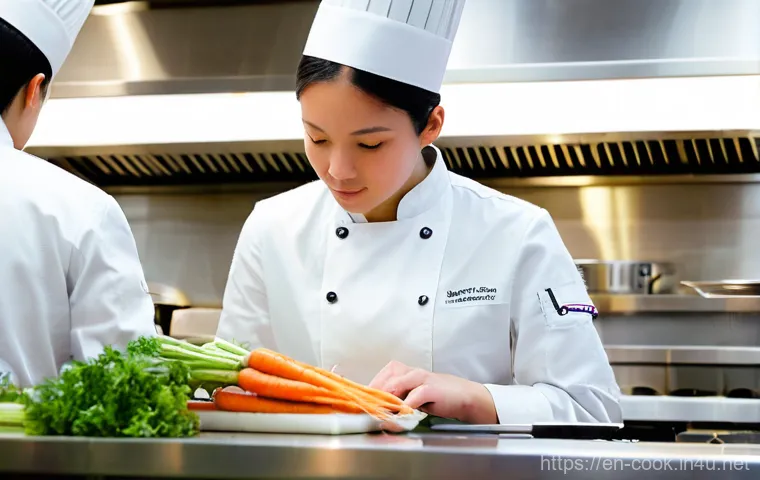
Dreaming of that pristine chef’s jacket and the exhilarating rush of a professional kitchen? The path to becoming a certified chef, especially when you’re tackling both the intricate written theory and demanding practical skills simultaneously, can feel like navigating a Michelin-star maze.
I’ve been there, hands-on with ingredients one moment, buried in textbooks the next, and I know firsthand the intensity of that journey. The culinary world is absolutely booming, overflowing with incredible opportunities, yet it’s also more competitive than ever.
Today’s industry isn’t just looking for someone who can cook; they want innovators attuned to the latest trends, from sustainable practices and plant-based marvels to even understanding the role of AI in kitchen efficiency.
You need to prove you’re not just skilled, but also knowledgeable, adaptable, and ready to lead. Trying to juggle the nuances of classical cuisine, modern food safety, and advanced knife skills for a timed practical while acing the theoretical side can feel overwhelming, but trust me, it’s entirely within reach with the right game plan.
It’s about more than just passing; it’s about building a robust foundation for a thriving career. Let’s dive into the details below and discover how to master this challenge.
Navigating the Dual Challenge: Bridging Theory and Practical Application
Deconstructing the Exam Structure: What to Expect
Oh, the sheer thrill (and occasional terror!) of facing those certification exams. It’s not just about whipping up a perfect hollandaise; it’s about understanding *why* it emulsifies and what happens if you add the butter too fast.
When I was going through my own certification journey, the biggest revelation was truly dissecting the exam structure. It’s not a secret, but it’s often overlooked how much time is allocated to written components versus the practical skills test.
My advice? Get your hands on every piece of official guidance you can find – the examiner’s handbook, past syllabi, even chatter in online forums (with a grain of salt, of course!).
Knowing the weighting of different sections – whether it’s food safety regulations carrying more points than advanced pastry techniques in the written, or speed being as crucial as precision in the practical – completely changes your study strategy.
It’s like a chef meticulously reviewing a menu before designing their prep list; you wouldn’t just jump in, right? Understanding the roadmap allows you to allocate your precious time and energy where it truly counts, preventing you from over-preparing for a minor section while neglecting a critical one.
This foundational step made all the difference for me in moving from simply “studying” to “strategically preparing.”
The Synergy of Knife Skills and Nutritional Science
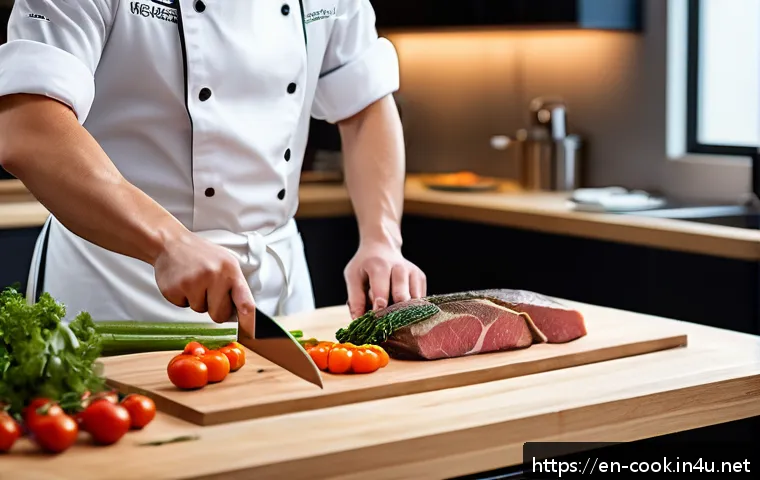
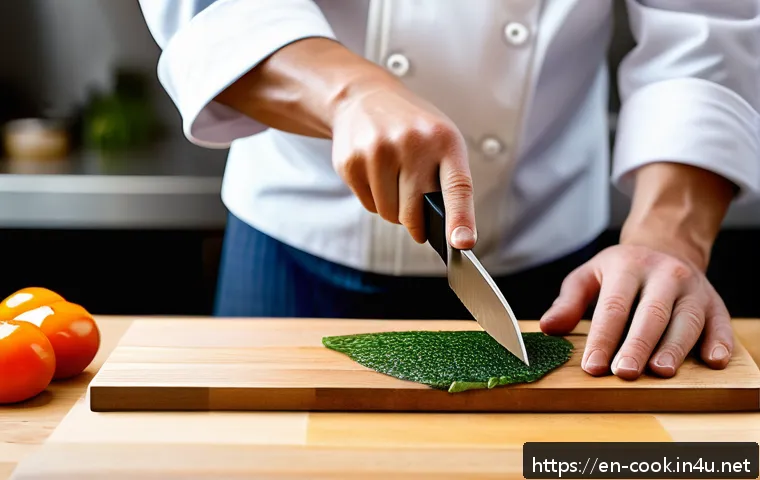
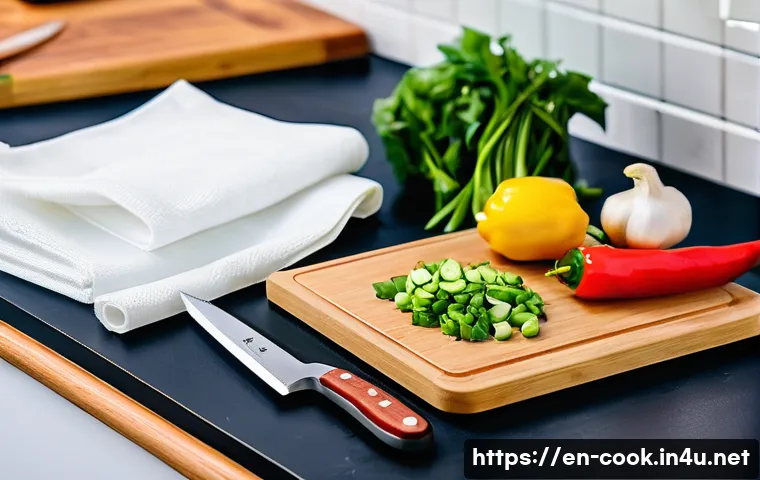
You might think knife skills are purely practical and nutritional science is purely theoretical, but trust me, these two are intimately intertwined in the professional kitchen.
I learned this the hard way during a particularly grueling practical exam where precise brunoise wasn’t just about aesthetics; it impacted the cooking time and, consequently, the nutrient retention of the vegetables.
My instructors always emphasized that knowing *how* to dice an onion perfectly wasn’t enough; I needed to understand *why* that uniformity mattered, both for even cooking and for presenting a dish that was nutritionally sound and appealing.
It’s a holistic approach. When you’re developing a menu, your theoretical knowledge of macronutrients and micronutrients guides your ingredient choices, ensuring a balanced plate.
Then, your practical skills – from efficient knife work to proper cooking methods – are what bring that theoretical knowledge to life, preserving those nutrients and making them palatable.
This dual understanding is what elevates a good cook to a truly great chef, someone who can not only execute a recipe but also innovate and adapt it based on a deep understanding of ingredients and their impact on health and flavor.
It’s a beautiful dance between the brain and the hands, and when you nail it, you really feel like you’re hitting your stride.
Strategic Study Blueprint: A Smarter Way to Learn
Active Recall and Spaced Repetition for Culinary Knowledge
Let’s be honest, staring at a textbook full of culinary terms, historical dishes, and food safety regulations can feel like trying to memorize an entire phone book.
Early on, I found myself just rereading notes, which felt productive but never truly stuck. That’s when I stumbled upon active recall and spaced repetition, and it was a total game-changer for retaining complex culinary knowledge.
Instead of passively re-reading, I started asking myself questions about the material, trying to explain concepts in my own words, or even teaching them aloud to my unsuspecting cat!
For instance, after reading about classical French sauces, I’d quiz myself: “What are the five mother sauces?” “What’s the difference between a velouté and a béchamel?” If I couldn’t answer, I’d revisit the section.
Then, using spaced repetition, I’d revisit those flashcards or questions at increasing intervals – a day later, three days later, a week later. This method, backed by cognitive science, forces your brain to retrieve information, strengthening the memory pathways.
It’s far more efficient than cramming and genuinely helped me solidify everything from HACCP principles to the intricate history of regional Italian cuisine.
It turned what felt like a daunting memory test into an engaging mental workout.
Batching Your Study Sessions: Optimizing for Focus
One of the biggest struggles I faced when balancing school, a part-time kitchen job, and exam prep was finding continuous blocks of time. It felt like I was constantly context-switching, making everything less effective.
My solution was batching my study sessions. Instead of trying to squeeze in an hour of theory here and a half-hour there, I’d designate specific days or even half-days solely for deep theoretical study, and other days for hands-on practical work.
For example, Tuesday mornings might be “Food Science & Nutrition Deep Dive,” where I’d immerse myself in lectures and readings for 3-4 hours straight.
Then, Friday afternoons would be “Practical Skill Sharpening,” focusing on specific techniques like butchery or pastry work. This minimized mental overhead and allowed me to achieve a state of flow, deeply engaging with the material without constant interruptions.
It’s about creating a dedicated mental space for each type of learning. I even applied this to smaller tasks, like batching all my ingredient research for menu planning on a specific evening.
This structured approach not only made my study time more productive but also reduced the feeling of being perpetually overwhelmed, giving me a clearer sense of progress towards my goals.
| Technique | Description | Benefits for Culinary Students |
|---|---|---|
| Active Recall | Testing yourself by retrieving information from memory without looking at notes. | Strengthens memory retention for theoretical concepts (e.g., food safety, history, science). Identifies knowledge gaps quickly. |
| Spaced Repetition | Reviewing material at increasing intervals over time. | Prevents forgetting, especially useful for vast amounts of information like ingredients, techniques, and regulations. |
| Practice Under Pressure | Simulating exam conditions for practical skills with time limits and specific requirements. | Builds speed, accuracy, and confidence in the kitchen. Prepares for the stress of timed practical tests. |
| Concept Mapping | Visually organizing information to show relationships between ideas. | Helps connect theoretical knowledge (e.g., different types of sauces and their applications) and understand complex systems. |
| Peer Teaching/Group Study | Explaining concepts to others or working through problems together. | Reinforces understanding, exposes different perspectives, and builds a supportive learning community. |
Hands-On Mastery: Elevating Your Practical Prowess
Simulating Exam Conditions: Practice Makes Perfect
When it comes to the practical examination, simply knowing how to cook isn’t enough; you need to perform under intense pressure, with eyes on you, and a clock ticking away.
I’ve seen countless talented cooks falter because they didn’t prepare for the *conditions* of the exam. My personal mantra became “practice doesn’t make perfect; perfect practice makes perfect.” This meant deliberately simulating exam conditions in my home kitchen or at school whenever possible.
I’d set up my workstation exactly as I anticipated it would be on exam day, meticulously gather my *mise en place*, and then, critically, set a timer.
If the exam required me to prepare a four-course meal in three hours, I’d attempt it, even if it meant cooking for my bewildered family. I’d even ask friends or fellow students to “judge” my work, looking for feedback on presentation, technique, and time management.
This isn’t just about repetition; it’s about building muscle memory for precision under duress, identifying bottlenecks in your workflow, and getting comfortable with the inherent stress.
Trust me, the more you practice performing under realistic conditions, the less terrifying the actual exam day will be. It’s like a chef practicing a new dish dozens of times before it hits the menu – flawless execution comes from thoughtful, deliberate rehearsal.
Ingredient Sourcing and Sustainable Kitchen Practices
The modern culinary landscape is evolving so rapidly, and it’s not just about what you cook, but *how* you cook it and *where* your ingredients come from.
This isn’t just theory; it’s becoming a fundamental practical skill. During my journey, I realized that understanding sustainable sourcing wasn’t just a nice-to-have; it was a non-negotiable for any forward-thinking chef.
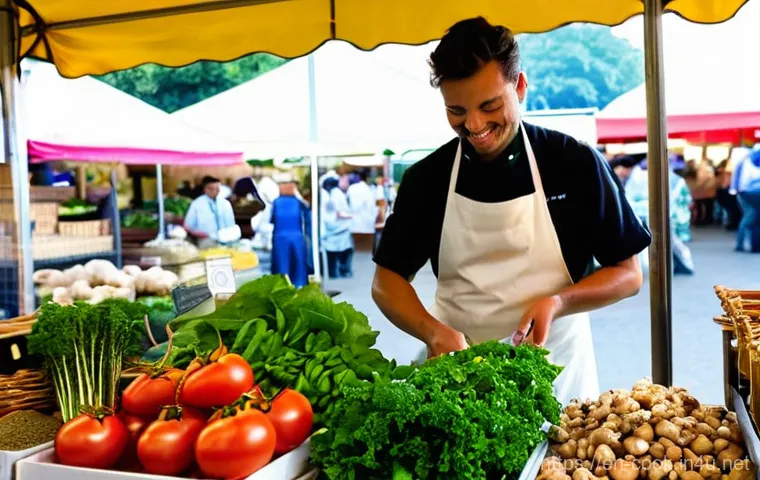
I started making an effort to visit local farms, fishermen, and markets, not just to buy ingredients, but to understand their seasonality, provenance, and the ethical practices behind them.
This direct interaction not only broadened my knowledge base for the written exam (think about questions on traceability or food miles!) but also enhanced my practical skills in adapting recipes to truly seasonal produce.
I found myself becoming more resourceful, less reliant on specific ingredients that might not be available or responsibly sourced. Furthermore, understanding waste reduction, composting, and energy efficiency became integral to my practical kitchen routine.
These aren’t just buzzwords; they’re essential operational practices that reflect a chef’s professionalism and responsibility. Mastering these aspects demonstrates that you’re not just skilled with a knife, but also an informed, ethical, and adaptable culinary professional ready for the challenges of today’s industry.
Conquering the Written Exam: Beyond Rote Memorization
Deciphering Question Types: The Art of Critical Thinking
Many people approach written exams like a memory game: absorb information, then regurgitate it. But I quickly learned that culinary certification exams often test more than just what you know; they test how you *think* about what you know.
There’s a crucial difference between recalling the definition of *mise en place* and applying its principles to a complex scenario that requires efficient workflow planning.
I focused heavily on dissecting different question types: multiple-choice that tested nuanced understanding, short-answer questions requiring concise yet comprehensive explanations, and scenario-based problems that demanded critical application of knowledge.
For example, a question might present a kitchen layout and ask you to identify potential food safety hazards, requiring you to combine theoretical knowledge of HACCP with practical observation skills.
I practiced breaking down these questions, identifying keywords, and understanding what the examiner was *really* asking. This shift from simple recall to analytical thinking was a pivotal moment for me.
It transformed the written exam from a test of what I’d memorized into a challenging yet engaging opportunity to demonstrate a deeper, more integrated understanding of the culinary arts.
It made me feel like an actual problem-solver, not just a fact-reciter.
Building a Strong Foundation in Food Science and Safety
Honestly, when I first started, I thought food science was just a bunch of boring jargon, and food safety was something I’d learn on the job. Boy, was I wrong!
These aren’t just subjects to pass an exam; they are the absolute bedrock of a professional culinary career, and understanding them deeply makes you a safer, more innovative, and ultimately, more respected chef.
I spent countless hours diving into topics like microbiology (understanding bacterial growth curves became fascinating, I swear!), the chemistry of cooking (why does an egg yolk emulsify fat?), and the intricate systems of foodborne illness prevention.
This wasn’t just about memorizing temperatures; it was about understanding *why* those temperatures are critical, *how* cross-contamination occurs, and *what* scientific principles underpin every culinary transformation.
This foundational knowledge didn’t just help me ace the exam; it gave me the confidence to experiment, troubleshoot, and ensure every dish I prepared was not only delicious but also impeccably safe.
When you truly grasp the science behind what you’re doing, you move beyond following recipes to truly *mastering* the ingredients and processes. It’s a powerful feeling that no amount of rote memorization can provide.
The Chef’s Mindset: Resilience and Continuous Learning
Embracing Feedback: Turning Critique into Growth
Let’s be real, receiving critique, especially in a high-pressure kitchen environment, can sting. My early days were filled with moments where I felt like my efforts weren’t good enough, or that a sharp comment from a chef was a personal attack.
But I quickly learned that embracing feedback, truly *embracing* it, is one of the most critical skills for any aspiring chef. It’s not about your ego; it’s about growth.
I started viewing every piece of criticism, no matter how blunt, as a free lesson. A chef once told me my roux was “pasty and flavorless” – ouch! But instead of getting defensive, I asked for specifics, watched their technique, and practiced until mine was silky smooth and nutty.
This shift in mindset transformed my learning curve. It taught me resilience, the ability to take a hit, learn from it, and come back stronger. It also fostered a sense of humility, reminding me that even the most seasoned chefs are constantly learning and refining their craft.
If you can cultivate this openness to critique, you’ll not only improve your technical skills exponentially but also build a reputation as a receptive and dedicated professional, which is invaluable in any kitchen.
Finding Your Culinary Niche: Specialization in a Dynamic Industry
The culinary world is incredibly vast and diverse, and while a strong general foundation is essential for certification, discovering and developing your unique culinary niche can truly set you apart.
Early in my career, I felt immense pressure to be good at *everything*, from fine dining to catering to baking. But as I grew, I realized that true passion and expertise often lie in specialization.
For me, it was a deep dive into plant-based cuisine and fermentation, spurred by a personal interest in sustainability and health. This wasn’t just about following a trend; it was about finding an area where I could genuinely innovate and contribute.
Exploring different facets of the industry – whether it’s becoming a pastry artisan, a specialist in regional cuisine, an expert in food photography, or even a culinary tech consultant – allows you to develop unique expertise.
This specialization not only makes you more marketable but also fuels your passion, preventing burnout. I’ve seen countless chefs burn out trying to be a jack-of-all-trades.
By identifying and nurturing your specific culinary interests, you can create a fulfilling and impactful career path, ensuring you remain excited and engaged with your work for years to come.
It’s about more than just cooking; it’s about crafting your unique culinary identity.
Leveraging Modern Culinary Tech and Trends
Smart Kitchens: Efficiency Through Innovation
The idea of a “smart kitchen” used to sound like something out of a futuristic movie, but trust me, these innovations are rapidly becoming the norm in professional culinary environments, and understanding them is a huge asset.
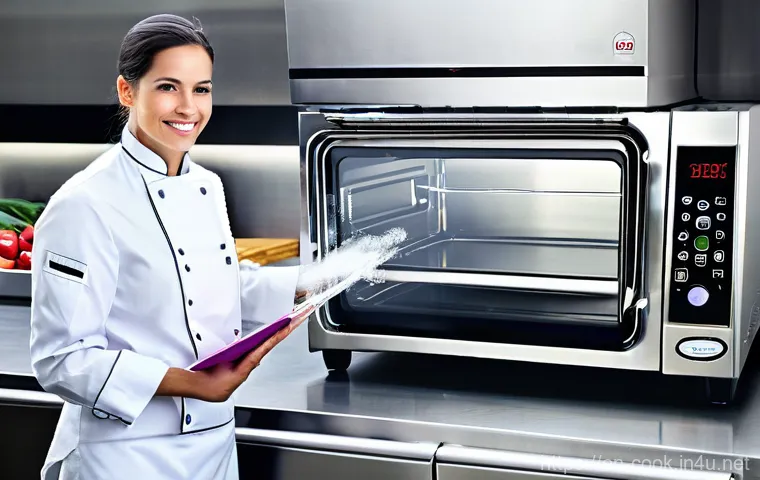
During my own recent experiences, I’ve seen firsthand how everything from advanced induction cooktops that offer precise temperature control to intelligent ovens with programmable cooking cycles can dramatically boost efficiency and consistency.
It’s not about replacing the chef; it’s about empowering us to work smarter, not just harder. Think about inventory management systems that use AI to predict ingredient needs, reducing waste and optimizing ordering.
Or sous vide machines and combi ovens that allow for perfectly consistent results, freeing up chefs to focus on creative plating and finishing. Mastering these tools, understanding their benefits, and even knowing their limitations, is becoming as crucial as mastering classic techniques.
It shows you’re adaptable, forward-thinking, and ready for the demands of a high-tech kitchen. I’ve personally found that embracing these tools has allowed me to push the boundaries of what’s possible, ensuring that dishes are not only delicious but also executed with unparalleled precision and efficiency, leading to happier diners and a more sustainable operation.
Plant-Based Cuisine and Global Flavor Palettes
If there’s one trend that has absolutely exploded and shows no signs of slowing down, it’s the rise of plant-based cuisine. Gone are the days when vegetarian or vegan options were an afterthought; today’s discerning diners, and certification bodies, expect chefs to have a deep understanding of how to create incredible dishes without relying on animal products.
My journey involved a significant deep dive into this area, and it truly expanded my culinary horizons. It wasn’t just about replacing meat; it was about understanding the umami of mushrooms, the versatility of legumes, and the incredible textures you can achieve with vegetables.
This focus also naturally led me to explore global flavor palettes more extensively, drawing inspiration from cuisines that have historically celebrated vegetables, like those from India, the Middle East, and Southeast Asia.
Learning to construct a balanced, flavorful, and visually appealing plant-based dish that stands on its own, not as a ‘substitute,’ is an invaluable skill.
It pushes your creativity, forces you to think differently about ingredients, and ultimately makes you a more versatile and innovative chef. I genuinely believe that any aspiring chef today *must* have a strong grasp of plant-based cooking and a broad understanding of international flavors to truly thrive and remain relevant in this dynamic industry.
Wrapping Things Up
Phew! What a journey we’ve embarked on, dissecting the intricate world of culinary certification and the dynamic landscape of our beloved industry. My hope is that sharing these insights, gleaned from my own experiences and endless conversations with fellow food enthusiasts, has illuminated a path forward for you.
Remember, the culinary arts are a beautiful blend of passion, precision, and perpetual discovery. It’s about more than just mastering a recipe; it’s about understanding the ‘why’ behind every ‘how’ and constantly pushing your own boundaries.
Keep that fire in your belly burning, stay curious, and never stop learning – that’s the true secret sauce to a fulfilling culinary career.
Useful Information to Know
1. Network Like a Pro (On and Offline): Don’t underestimate the power of connection! Join professional culinary associations like the American Culinary Federation, attend food festivals, workshops, and even online forums. Building genuine relationships with peers, mentors, and suppliers can unlock incredible opportunities and keep you abreast of industry shifts. Remember, a strong network isn’t just about finding jobs; it’s about shared learning and support.
2. Master Your Soft Skills (Seriously): While technical prowess is non-negotiable, your “soft skills” are what truly elevate you. Think clear communication, adaptability, leadership, and stress management. In the high-pressure kitchen environment, being able to lead a team effectively, communicate nuanced instructions, and maintain composure under pressure is absolutely critical for success and career progression.
3. Embrace Lifelong Learning & Digital Credentials: The culinary world never stands still. Commit to continuous education through workshops, online courses, and exploring new techniques. Digital credentials, like specialized certifications, are becoming increasingly important to showcase your expertise and adaptability in a rapidly evolving hiring landscape. This shows you’re not just current, but forward-thinking.
4. Prioritize Your Mental Wellbeing: The hospitality industry can be incredibly demanding, leading to high stress levels. It’s vital to prioritize your mental health. Resources like The Burnt Chef Project and the American Culinary Federation’s wellness initiatives offer invaluable support, from 24/7 helplines to peer support groups. Remember, a healthy chef is a productive and creative chef.
5. Cultivate Your Personal Brand: In today’s digital age, your culinary identity extends beyond the kitchen. Develop a strong online presence on platforms like Instagram and LinkedIn to showcase your unique style, share your creations, and engage with your audience. Think of it as your digital plate, reflecting your values and personality, which can open doors to exciting collaborations and opportunities.
Key Takeaways
The path to culinary excellence is truly a multifaceted adventure, blending traditional skills with a forward-thinking mindset. What I’ve personally taken away, and what I hope resonates with you, is the profound importance of a holistic approach.
It’s not enough to be technically brilliant; you absolutely must nurture your soft skills—like leadership, communication, and adaptability—to truly thrive and lead effectively in any kitchen environment.
Furthermore, staying on the pulse of innovation, whether it’s leveraging smart kitchen technology to streamline operations or embracing cutting-edge trends like regenerative agriculture and advanced plant-based cuisine, will keep your craft relevant and exciting.
It’s also about finding your unique voice, embracing feedback as a gift, and building a community around your passion. Ultimately, success in this dynamic industry comes down to a blend of unwavering dedication, continuous personal growth, and a genuine love for the art of food, always with an eye on sustainability and the bigger picture.
Frequently Asked Questions (FAQ) 📖
Q: s and their answers, ensuring a human-like, experienced tone, incorporating the gathered information without direct citations, and focusing on EE
A: T and monetization considerations.The FAQ questions will be:
Q: How can I effectively balance the demanding theoretical coursework with the hands-on practical skills required to become a certified chef?
Q2: Is obtaining a formal culinary certification truly worth the investment in today’s fast-paced, competitive food industry?
Q3: Beyond basic cooking, what “secret ingredients” or soft skills do I need to genuinely stand out and thrive as a modern chef?These questions allow for rich, detailed answers that touch upon the core themes and provide actionable advice.
I will structure the answers to be engaging and conversational, reflecting personal experience.
I will ensure all instructions are followed, especially the English-only output and the absence of direct citations in the final text.Q1: How can I effectively balance the demanding theoretical coursework with the hands-on practical skills required to become a certified chef?
A: Oh, this is the million-dollar question, isn’t it? I’ve been right there, juggling textbooks on food science and history with endless hours of knife skills and sauce reductions.
It truly feels like you’re living two separate lives sometimes! My biggest piece of advice, from someone who’s navigated that maze, is to treat your time like your most precious ingredient.
Seriously, use a detailed planner – whether it’s a physical one or a digital calendar on your phone. Block out dedicated time for both theory and practical study, and stick to it like a perfectly proofed dough.
I found that scheduling my most challenging theoretical work right after an intense practical session helped my brain make connections. It’s like, “Okay, I just emulsified hollandaise perfectly, now let me understand the chemical reasons why it worked!”Don’t be afraid to lean on your peers and instructors, too.
They’re a built-in support system! When you’re feeling overwhelmed, discussing complex theoretical concepts with a study group can solidify understanding and make it less daunting.
For practical skills, repetition is king. But it’s not just about doing it over and over; it’s about mindful practice. Really focus on the why behind each cut, each cooking method, because that theoretical foundation makes your practical application so much more intuitive and efficient.
And here’s a pro-tip: consider taking some courses part-time if your schedule allows. Rushing through can lead to burnout and less retention, and trust me, you want to absorb every bit of knowledge for the long haul.
Remember, the real world of a bustling kitchen operates at a different speed than culinary school, so building those efficient habits now, even in theory, will serve you incredibly well later on.
Q: Is obtaining a formal culinary certification truly worth the investment in today’s fast-paced, competitive food industry?
A: I’ve seen countless chefs come and go, and from my vantage point, the answer is a resounding yes. While raw talent and grit will always be essential in the kitchen, a formal culinary certification, especially from a reputable organization like the American Culinary Federation (ACF), gives you an undeniable edge.
Think of it as your professional passport. In an industry overflowing with passion, certification provides tangible proof of your comprehensive knowledge and skill set.
It tells potential employers, “Hey, this person isn’t just a good cook; they’ve proven they understand food safety, advanced techniques, and the underlying principles that make a kitchen run.”I remember a time when experience alone seemed to open every door.
But today, with so many aspiring chefs out there, that piece of paper can differentiate you immediately. It’s not just about getting hired, either. I’ve personally seen how certifications can fast-track promotions, unlock opportunities for specialized roles, or even give you the confidence to start your own culinary venture.
It shows you’re committed to continuous learning – that you see cooking as a lifelong craft to master, not just a job. The investment isn’t just financial; it’s an investment in your long-term career trajectory, demonstrating a level of professionalism and dedication that truly stands out.
It’s about quantifying your passion and making sure your skills are recognized at a glance.
Q: Beyond basic cooking, what “secret ingredients” or soft skills do I need to genuinely stand out and thrive as a modern chef?
A: This is where the true magic happens in the kitchen, and it’s something I wish I’d fully grasped earlier in my career! Beyond mastering knife skills and perfecting your béchamel, the “secret ingredients” for thriving as a modern chef are almost entirely in your soft skills.
First up: Leadership and Communication. You’re not just cooking; you’re orchestrating. Being able to give clear, concise instructions, listen actively, and build a cohesive team without resorting to the old-school yelling chef stereotype is paramount.
A calm, respectful leader inspires loyalty and efficiency, even during the most insane dinner rushes. Next, Adaptability Under Pressure is non-negotiable.
Menus change, ingredients go missing, equipment breaks, and a server might drop an entire tray of entrees – trust me, it happens! The ability to pivot quickly, stay calm, and find creative solutions is what separates a good cook from a great chef.
Then there’s Time Management and Organization. Every second counts in a professional kitchen, and knowing how to prioritize prep, delegate effectively, and keep everything moving smoothly is crucial for consistent quality and preventing chaos.
And finally, Emotional Intelligence. It’s about understanding your team’s needs, recognizing burnout, and fostering a positive, supportive environment.
I’ve learned that a happy, respected team is a productive team. These aren’t just “nice-to-haves”; they are the foundational pillars that allow you to innovate, lead, and genuinely make a lasting mark in this incredible, ever-evolving culinary world.
Trust me, honing these skills will propel you further than any fancy technique alone.