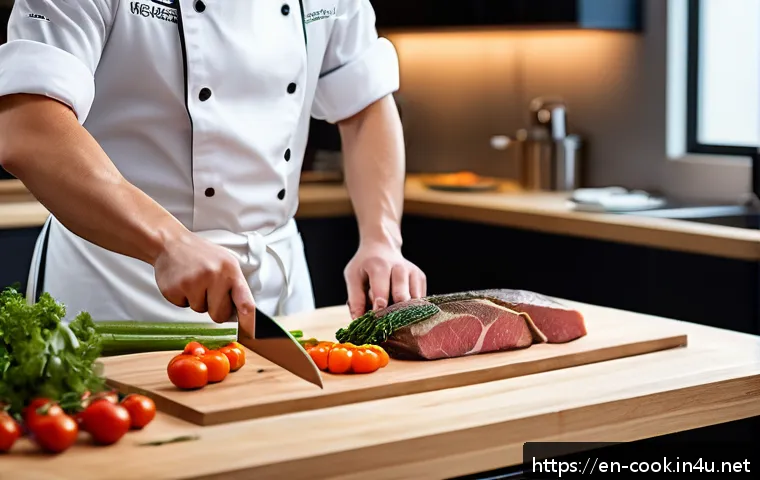
Hey there, future culinary superstars and passionate home cooks! If you’re anything like me, you’ve probably spent countless hours perfecting recipes, dreaming of dazzling dishes, and maybe even felt that little pang of anxiety about those all-important Western-style cooking practical exams.
I totally get it – trying to master complex techniques, replicate professional plating, or even just efficiently prep a multi-course meal in a typical home kitchen can feel like an impossible task.
We all know the struggle of yearning for a dedicated space with the right equipment to truly hone those skills, especially when the culinary world increasingly demands flawless practical execution.
It’s a real challenge, and finding that perfect practice spot can seriously make or break your confidence and your performance on exam day. Trust me, I’ve been there, wishing I had a professional setup right at my fingertips.
But don’t you worry, because I’ve immersed myself in the latest trends and resources to pinpoint the absolute best places for you to sharpen your knives and your skills.
Ready to turn those kitchen dreams into delicious reality? Let’s dive in and find out exactly where you can become the chef you’re meant to be!
Finding Your Culinary Edge: The Imperative for Dedicated Practice Spaces
Why Your Home Kitchen Might Not Cut It for Exam Prep
The Professional Advantage: Equipment and Environment
Ah, the home kitchen. It’s a sacred space, filled with memories of family meals and experimental weekend bakes, right? But let’s be real for a moment.
When you’re staring down a demanding Western-style cooking practical exam, your cozy home setup, however charming, often falls short. I remember trying to master a perfect Béarnaise sauce in my tiny apartment kitchen, constantly bumping elbows with the fridge, and struggling with a stove that had hot spots like a minefield.
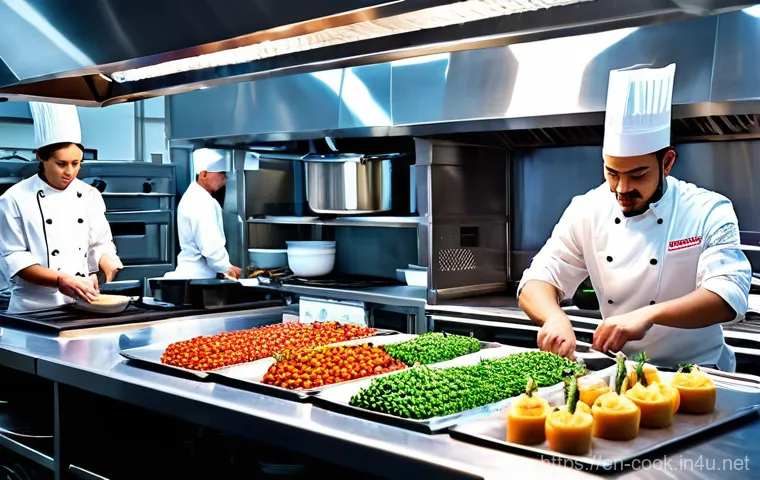
It was beyond frustrating! Professional exams demand precision, speed, and often, specific equipment you just don’t have at home – think convection ovens, commercial mixers, blast chillers, or even just enough counter space to properly mise en place for a multi-course menu.
There’s a certain rhythm and flow that comes with a well-designed kitchen, one that allows for efficient movement and dedicated stations for each task.
Trying to replicate that under pressure in a cramped, domestic setting can seriously undermine your confidence and performance. It’s not just about having the tools; it’s about having the right environment that simulates the actual exam conditions, helping you build that crucial muscle memory.
I genuinely believe that investing in a dedicated practice space isn’t a luxury; it’s a strategic move to ensure you’re truly ready to shine when it matters most.
Tapping into Community Resources: Culinary Schools and Shared Kitchens
Unearthing Opportunities at Local Culinary Institutions
The Benefits of Community and Co-working Kitchens
One of the first places I considered, and highly recommend you explore, is your local culinary school. Even if you’re not enrolled in a full program, many schools offer short courses, workshops, or even open lab hours for alumni or aspiring chefs.
I vividly recall the first time I got to work in a true professional kitchen setup during a weekend intensive at a Culinary Institute of America campus in California – the sheer scale of the equipment, the spacious workstations, and the incredible guidance from chef-instructors felt like a revelation.
It’s an invaluable experience to practice on the exact kind of equipment you’ll encounter in an exam. Beyond formal schools, the rise of community and co-working kitchens has been a game-changer.
These spaces, often found in larger cities across the US, Canada, or the UK, provide commercial-grade kitchens that you can rent by the hour, day, or month.
They’re typically designed for small food businesses or caterers, but they’re perfect for us aspiring chefs needing a professional environment. The atmosphere in these shared spaces is often buzzing with creative energy, and you might even pick up some tips or network with other food entrepreneurs.
It’s a far cry from wrestling with a wonky oven at home, and the sense of camaraderie can be really motivating.
The Rise of Rental Kitchens: Your Personal Pro Space Solution
Finding and Booking Commercial Kitchens for Personal Practice
Maximizing Your Time in a Rented Culinary Space
If you’re serious about your exam prep, or even just want to truly elevate your skills, the world of dedicated rental kitchens is an absolute goldmine.
I discovered this gem when I was stressing about finding a place with a proper deep fryer and a professional-grade stand mixer – things my home kitchen simply couldn’t accommodate.
There are now numerous services and individual establishments that rent out their commercial kitchens when they’re not in use. Think of it . Websites like ‘The Kitchen Door’ or ‘Food Corridor’ (in North America, for instance) list available commercial kitchens in your area, complete with hourly rates, equipment lists, and booking calendars.
My advice? Plan your menu meticulously beforehand, bring all your pre-measured ingredients, and treat it like a real exam. This isn’t the time for improvisation; it’s about drilling those techniques.
The cost can vary, usually ranging from $25-$75 an hour in the US, but the value of getting hands-on experience with professional equipment in a dedicated environment is, in my opinion, priceless for exam success.
Connecting with Culinary Mentors: Apprenticeships and Informal Learning
The Unsung Benefits of Working Under a Chef
Leveraging Personal Networks for Practice Opportunities
Sometimes, the best practice doesn’t come from renting a kitchen, but from immersing yourself in a real-world kitchen environment. This is where mentorships and informal apprenticeships truly shine.
I was fortunate enough to spend a few weeks staging (an unpaid internship, essentially) at a local bistro during a summer break, and let me tell you, that experience taught me more about efficiency, mise en place, and working under pressure than any textbook ever could.
You’re not just practicing; you’re learning the unspoken rules of a professional kitchen, observing experienced chefs, and often getting hands-on with tasks that directly relate to practical exam requirements.
Don’t be afraid to reach out to local restaurants or caterers, explaining your goals and asking if there are any opportunities to help out, even for a few hours a week.
You might be surprised by how willing some chefs are to share their knowledge with eager individuals. Sometimes, it’s not even about a formal apprenticeship.
I’ve found incredible opportunities just by networking with other food enthusiasts or chefs I’ve met at farmers’ markets. A friendly conversation can sometimes open doors to practicing in a small restaurant kitchen during off-hours, or even just getting invaluable advice from someone who’s been there.
It’s all about building relationships in the culinary community.
Navigating the Practicalities: Costs, Accessibility, and Logistics
Budgeting for Your Culinary Training Journey
Overcoming Geographical and Scheduling Hurdles
Let’s talk brass tacks because, let’s face it, mastering culinary skills can come with a price tag. I remember looking at the hourly rates for some commercial kitchens and feeling a bit overwhelmed at first.
However, when you weigh it against the investment you’ve already made in your culinary education and the importance of passing that exam, it really puts things into perspective.
Most community kitchens or rental spaces will charge by the hour, usually somewhere between $25 to $75, sometimes with bulk discounts. Culinary schools might offer open lab times at a reduced rate or as part of a short course package.
My personal tip for budgeting is to plan your practice sessions strategically: make a detailed list of techniques you need to drill, create a practice menu, and go in with a laser focus to maximize every minute.
Accessibility is another big one. If you don’t live in a major metropolitan area, finding these dedicated spaces can be a challenge. This is where a bit of creative thinking comes in.
Can you carpool with a fellow student? Are there any vocational colleges nearby that might have facilities? Don’t be afraid to reach out to local restaurant owners directly; sometimes they’re willing to rent out their kitchens during off-peak hours for a reasonable fee.
Here’s a quick comparison of popular practice options:
| Practice Option | Pros | Cons | Typical Cost (approx.) |
|---|---|---|---|
| Home Kitchen (Upgraded) | Comfortable, no travel, available 24/7. | Limited equipment, small space, non-commercial environment. | Initial equipment investment (hundreds to thousands USD). |
| Culinary School Open Labs | Professional equipment, instructor access, structured environment. | Limited availability, may require enrollment or specific courses. | Often included in tuition, or $50-$150 per workshop. |
| Community/Co-working Kitchens | Commercial equipment, spacious, networking opportunities. | Booking required, travel time, shared space (can be noisy). | $25-$75 per hour, sometimes monthly memberships. |
| Restaurant Staging/Apprenticeship | Real-world experience, mentorship, exposure to industry standards. | Often unpaid, demanding hours, focus on restaurant tasks, not exam prep. | Free (unpaid labor), but opportunity cost of lost wages. |
The Digital Edge: Virtual Training and Online Culinary Resources
Leveraging Online Platforms for Technique Refinement
Supplements, Not Substitutes: Integrating Digital Learning
Now, while nothing truly beats hands-on practice in a real kitchen, we live in an incredible digital age, and it would be foolish not to leverage the wealth of online resources available.
I’ve personally spent countless hours watching YouTube tutorials, subscribing to MasterClass sessions, and even attending virtual cooking classes to refine specific techniques.
Platforms like Rouxbe or America’s Test Kitchen’s online cooking school offer incredibly detailed video demonstrations that break down complex processes into digestible steps.
While these won’t give you the tactile experience of a professional kitchen, they are phenomenal for visual learning, understanding the “why” behind certain techniques, and correcting common mistakes *before* you even step into a practice kitchen.
I use them as a vital supplement, almost like a pre-flight checklist. Before a big practice session, I’ll often re-watch a specific technique – say, filleting a fish or preparing a classic mother sauce – just to ensure my mental roadmap is crystal clear.
It helps me maximize my time when I *do* get into a professional setup. Remember, these resources are fantastic for building foundational knowledge and refining your approach, but they should always complement, not replace, actual hands-on practice.
Think of it as studying the playbook before getting on the field.
My Journey to Culinary Confidence: Finding My Sanctuary
Personal Anecdotes and Lessons Learned on the Path to Success
The Emotional Impact of a Dedicated Practice Environment
Looking back, my own journey through culinary school and into the world of professional cooking had its fair share of bumps and triumphs, much like anyone else’s.
I remember the sheer panic before my first major practical exam – my hands were shaking, and I felt utterly unprepared despite weeks of practicing in my tiny home kitchen.
It was only when a friend mentioned a small, local community kitchen that I could rent by the hour that things truly clicked. Stepping into that gleaming, spacious kitchen, with commercial-grade equipment at my fingertips, felt like finding a sanctuary.
The stress melted away, replaced by a focused determination. I could spread out, move freely, and truly concentrate on my techniques without distractions.
That experience was transformative. It wasn’t just about having the right tools; it was about the mental shift. The confidence that bloomed from those dedicated practice sessions carried me through not just that exam, but every challenge that followed.
It showed me the immense value of having a space that supports your ambition, allows for mistakes without judgment, and ultimately, helps you envision yourself as the successful chef you’re striving to become.
It’s more than just practice; it’s about building a positive, empowering relationship with your craft.
Wrapping Up
Well, fellow food enthusiasts and aspiring culinary stars, we’ve covered a lot of ground today, haven’t we? It’s been a real journey exploring the critical need for dedicated practice spaces beyond our beloved home kitchens. For anyone serious about elevating their cooking skills, especially when preparing for those high-stakes culinary exams or just pushing their own boundaries, the takeaway is clear: the right environment makes all the difference. I truly hope that sharing my own experiences and the insights I’ve gathered helps you on your path to culinary confidence. Remember, every master chef started somewhere, and investing in your practice is investing in your future success and, honestly, your sanity!
Useful Information to Know
1. Start small and scale up your practice: You don’t need to commit to a full-time culinary school program right away. Look for hourly rentals at community kitchens or inquire about short-term workshops. This approach lets you test the waters without a huge upfront investment, helping you discover what works best for your learning style and budget.
2. Network like crazy in the culinary world: Connections are gold! Attend local food events, farmers’ markets, or even strike up conversations with chefs at your favorite restaurants. You’d be amazed how many doors can open through a friendly chat – from informal advice to unexpected opportunities for kitchen time.
3. Plan your practice sessions meticulously: Time in a professional kitchen, especially a rented one, is precious and often costs money. Before you even set foot in the door, have a detailed menu, a list of techniques to drill, and all your ingredients pre-measured and organized. Treat it like a real exam to maximize every single minute.
4. Leverage digital resources as a powerful supplement: While hands-on practice is paramount, don’t underestimate the power of online learning. Use platforms like YouTube, MasterClass, or specialized culinary websites to refine techniques visually, troubleshoot common issues, and mentally rehearse steps before you get to the physical kitchen.
5. Embrace every “mistake” as a learning opportunity: The professional kitchen environment can feel intimidating, and you’re bound to make errors. I know I did countless times! But that’s precisely why you’re practicing. Each botched sauce or overcooked protein is a lesson in disguise, bringing you one step closer to mastery.
Key Takeaways
Ultimately, what truly sets a good cook apart, especially when facing the rigorous demands of professional certification or aspiring to a higher level of artistry, is not just raw talent but dedicated, intentional practice in an environment that mirrors the real deal. Our cozy home kitchens, while perfect for weeknight dinners, often lack the specialized equipment, spacious layouts, and sheer psychological intensity required to master complex culinary skills under pressure. The strategic pursuit of dedicated practice spaces—whether through local culinary schools, bustling co-working kitchens, or private hourly rentals—isn’t a luxury; it’s a foundational step. It’s about building muscle memory, honing efficiency, and cultivating the unshakeable confidence that only comes from preparing for performance under simulated conditions. Don’t forget the invaluable role of mentorship and community, too. Learning from seasoned professionals and connecting with peers provides insights and opportunities that simply can’t be found alone. This blend of structured practice, smart resource utilization, and genuine human connection creates a powerful recipe for success in your culinary journey, ensuring that when it’s showtime, you’re not just ready, but truly shine.
Frequently Asked Questions (FAQ) 📖
Q: s and their answers to help you navigate your Western-style cooking practical exams and find the perfect practice spot, just like a seasoned pro!Q1: I’m stressing about my Western-style cooking practical exam, and my home kitchen just isn’t cutting it. What are the best places to find professional-grade facilities to practice, and what should I look for?
A: Oh, believe me, I’ve absolutely been there – trying to perfectly sear a scallop on a finicky home stove while picturing the eagle eyes of an examiner is enough to make anyone sweat!
It’s totally normal to feel like your home setup isn’t quite the professional arena you need. From my experience, and after digging into what’s available out there, you’ve got a few fantastic options to get your hands on some proper equipment and a true culinary environment.
First up, many culinary schools sometimes offer “open lab” hours or short, intensive practical courses specifically designed for exam prep or skill refinement.
Think of places like the Institute of Culinary Education (ICE) in New York or Le Cordon Bleu in London, which have amazing teaching kitchens with all the bells and whistles you’d expect, from professional ovens and ranges to dedicated prep stations.
These often come with instructor guidance, which is priceless for getting immediate feedback on your technique, and believe me, that direct advice can save you weeks of trial and error.
Then there are shared commercial kitchens or community kitchens that you can rent by the hour. These are fantastic because they’re literally designed for high-volume, professional food production, meaning they’ll have the industrial-grade equipment, ample counter space, and proper ventilation you’re craving.
I’ve seen places like Milk Money Kitchens in NYC or Hour Kitchen in Texas offering flexible hourly rates, which is perfect if you only need a few intensive sessions.
When you’re looking into these, make sure they have the specific equipment relevant to your exam dishes – like a deep fryer for perfect frites or a convection oven for consistent baking results.
Some community kitchens also offer training programs, often for free, which can include hands-on experience and certifications, though these might be more long-term and community-focused rather than pure exam practice.
What should you look for? Beyond the equipment, consider the layout – does it mimic an exam setup, allowing for efficient workflow? Is it clean and well-maintained?
And importantly, check for availability that fits your schedule, especially if you’re working around other commitments. Sometimes, touring the facility, even virtually, can give you a real feel for whether it’s the right fit.
Trust your gut – if it feels like a place where you can truly focus and expand your skills, that’s half the battle won!
Q: Practicing in a professional setting sounds amazing, but I’m worried about the cost and how to maximize my time.
A: re there smart ways to practice effectively without breaking the bank or feeling rushed? A2: Absolutely, I totally hear you on the cost and time crunch – it’s a real concern for many aspiring chefs, and frankly, I’ve had to get pretty clever myself over the years to make my practice count!
The good news is, there are definitely savvy ways to make the most of those precious hours in a professional kitchen without draining your wallet or feeling like you’re racing against the clock.
First, group power is real! Many shared commercial kitchens offer discounts for bulk hours or can be more economical if you split the rental cost with a few fellow students or culinary friends.
Imagine pooling resources with two or three others who also need practice for similar exams. You can rotate who uses the primary cooking station, work on mise en place together, and even provide constructive feedback to each other.
It’s like a culinary study group, but with commercial-grade equipment! Secondly, strategic planning is your best friend. Before you even step into that kitchen, have a clear, almost military-level, mise en place plan.
I’m talking about a detailed list of ingredients, equipment, and a precise step-by-step breakdown of each dish, complete with timings. This isn’t just about efficiency; it’s about mirroring exam conditions where time management is critical.
Knowing exactly what you’ll do, in what order, helps eliminate wasted minutes. Think about doing your vegetable prep or ingredient measuring at home if the facility allows, to save on expensive hourly kitchen time.
Also, focus your practice. Instead of trying to cook an entire multi-course meal every single time, isolate your weaker areas. Is it emulsifying sauces?
Perfecting a specific knife cut? Getting your pastry dough just right? Dedicate entire sessions to mastering one or two challenging techniques.
This targeted approach is incredibly effective and prevents you from feeling overwhelmed. Remember that old adage, “practice doesn’t make perfect, perfect practice makes perfect.” Every minute should have a purpose.
Finally, ask about off-peak rates. Sometimes, kitchens are less busy during odd hours – early mornings, late evenings, or even certain weekdays. You might snag a better deal, which means more practice time for your buck.
I’ve often found that those quieter hours also lead to a more focused practice session, with fewer distractions.
Q: Beyond just the physical space, how can I use these practice environments to truly build my confidence and feel ready for the exam? What’s the secret sauce for turning practice into peak performance?
A: Ah, the secret sauce! This is where the magic truly happens, turning diligent practice into that undeniable swagger on exam day. It’s not just about cooking; it’s about performing under pressure, and I’ve learned that a lot of it comes down to mindset and simulating the real deal.
First off, you must simulate exam conditions as closely as possible. If your exam is 1.5 hours, set a timer for 1.5 hours during your practice. Use only the ingredients and equipment you expect to have.
Stick to the menu you’ve planned, and don’t allow yourself “do-overs” just like in a real exam. I’ve even gone so far as to imagine an examiner watching me – sounds a bit wild, I know, but it helps you get used to the feeling of being observed and maintaining a clean, organized station under duress.
Next, embrace the feedback loop. If the facility offers any form of mentorship or an opportunity for a chef to observe you, take it! A fresh, expert pair of eyes can spot things you’d never notice, from your posture at the cutting board to the subtle nuances of your seasoning.
Even if it’s just a fellow student, getting a different perspective is invaluable. Critically review your own work too. At the end of each session, take pictures of your plated dishes and critically analyze them against the criteria you know your exam will use.
Taste everything, not just for flavor, but for texture, temperature, and presentation. Another massive confidence booster is mastering time management and flow.
Practice the transitions between dishes, not just the dishes themselves. How do you efficiently switch from prepping vegetables to starting a sauce? How do you keep your workspace organized and sanitary throughout the entire process?
Examiners really notice these things. The smoother your flow, the less stressed you’ll feel, and that composure radiates competence. Finally, and this might sound cliché, but trust the process and celebrate small wins.
Each successful practice session, each perfectly executed technique, is a deposit in your confidence bank. You’re building muscle memory, refining your palate, and becoming more intuitive with ingredients.
I remember one time I finally nailed a hollandaise sauce after what felt like a hundred tries – that feeling of accomplishment fueled me for weeks! These practice environments give you the space to fail safely, learn, and ultimately transform into the confident, capable chef you’re meant to be.
Just keep showing up, keep refining, and you’ll walk into that exam feeling absolutely ready to shine!