Hey there, fellow foodies and aspiring chefs! Ever found yourself mesmerized by the incredible artistry and complex flavors of authentic Chinese cuisine, dreaming of the day you could whip up a sizzling stir-fry or a delicate dim sum with confidence?
I know I have. There’s something truly magical about mastering culinary skills that have been perfected over centuries, right? Getting that official Chinese cooking certification isn’t just about a piece of paper; it’s about proving to yourself, and the world, that you’ve got what it takes to wield a wok like a pro and truly understand the soul of Chinese food.
But let’s be real for a second: the path to that coveted certification, especially the practical exam, can feel a bit daunting. I remember looking at all the intricate knife cuts, the precise timing, and the sheer volume of techniques and thinking, “Where do I even begin?” The preparation period is absolutely crucial, a journey filled with intense practice, a few burnt dishes (we’ve all been there!), and incredible breakthroughs.
It’s not just about learning recipes, it’s about developing muscle memory, understanding flavor profiles deeply, and mastering that elusive ‘wok hei’ that makes Chinese food sing.
Whether you’re aiming for an entry-level qualification or a master chef program that demands years of experience, knowing how to structure your study and practice is your golden ticket.
You’re probably wondering, “How long will this actually *take* me?” and “What’s the smartest way to tackle it?” Well, you’re in the right place, because I’m here to share my insights and guide you through every chop, slice, and stir-fry.
Let’s get into the nitty-gritty of how to ace your Chinese culinary practical and make that dream a delicious reality!
Demystifying the Certification Journey
Cracking the Code of Exam Requirements
Alright, so you’ve committed to this incredible journey – fantastic! My first piece of advice, and something I learned pretty early on, is to truly dig into the specifics of your chosen certification. Different levels and institutions have distinct expectations, and you don’t want to be caught off guard. When I was looking into mine, I found it super helpful to not just read the official syllabus, but also to hunt down forums or social media groups where past candidates shared their experiences. What kind of dishes are typically requested? What are the time constraints? Are there hygiene and safety protocols that are weighted heavily? These aren’t just details; they’re your roadmap. It’s like preparing for a marathon; you wouldn’t just start running without knowing the course, right? Get that map, study it, and identify the landmarks. Understanding the exact dishes, the required cuts, and the cooking methods that will be assessed can make all the difference in structuring your practice sessions effectively. Don’t be shy about reaching out to the organizing body for clarification if something feels unclear. Trust me, a little investigative work upfront saves a lot of headaches later!
Understanding the Judges’ Expectations
This is where the art of cooking meets the science of scoring. It’s one thing to make delicious food for your friends and family, but it’s another to produce a dish that meticulously adheres to professional standards under scrutiny. From my own experience, I quickly realized that judges aren’t just tasting the food; they’re evaluating your entire process. They’re eagle-eyed about your mise en place – is everything prepped, organized, and accessible? Are your knife cuts uniform and precise? Is your workstation clean and are you adhering to proper food safety? Then, of course, there’s the actual cooking: heat control, seasoning accuracy, texture, and ultimately, the presentation. I once heard a story about a candidate losing points because their stir-fry didn’t have enough ‘wok hei’ – that smoky, charred essence unique to properly cooked wok dishes. It stuck with me because it highlights how deeply they assess authenticity and technique. They want to see that you truly understand the soul of Chinese cooking, not just a recipe. Every detail matters, from how you hold your wok to the sparkle of your final plating.
Mastering Knife Skills and Prep Precision
The Foundation: Honing Your Blade and Your Technique
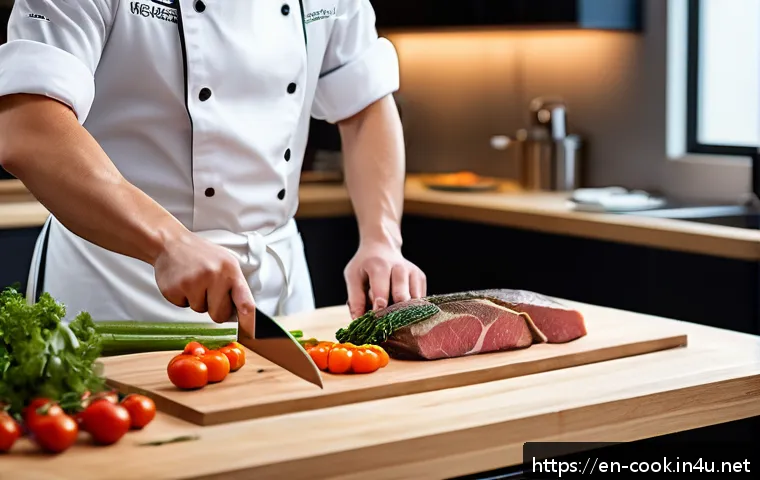
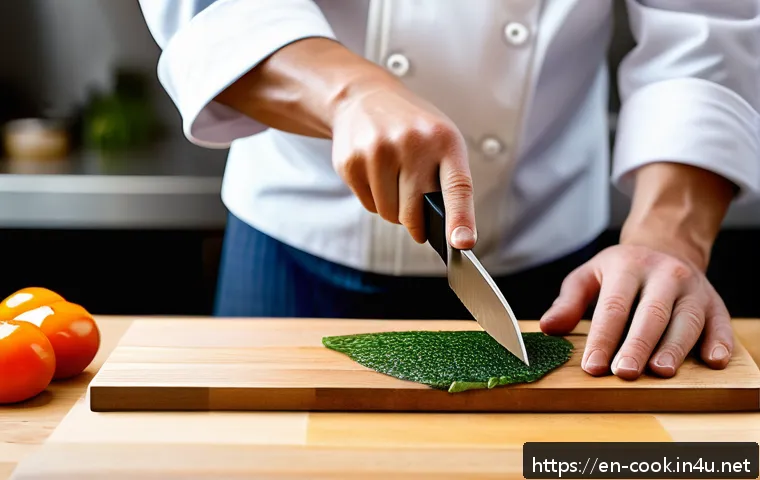
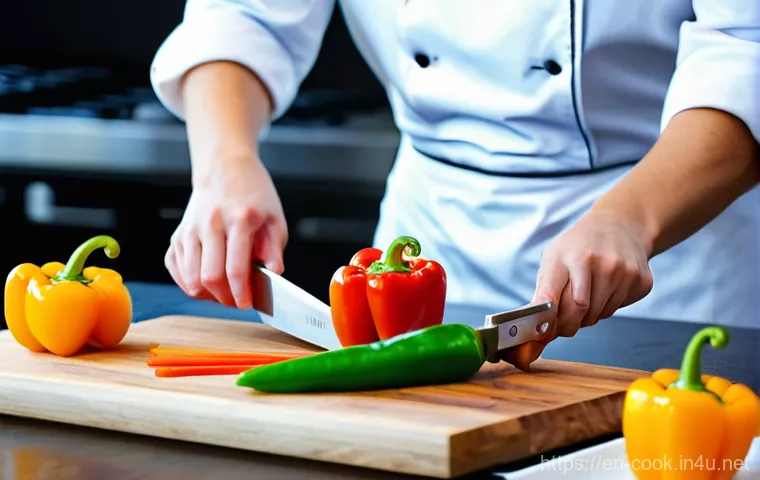
If there’s one area where you absolutely cannot skimp on practice, it’s knife skills. Seriously, this is the bedrock of Chinese cooking. I remember spending hours just practicing julienning carrots, trying to get every single stick the exact same size. It felt tedious at first, but let me tell you, that muscle memory pays off immensely during the exam when time is ticking. It’s not just about speed; it’s about precision, consistency, and safety. A well-sharpened knife is your best friend, and knowing how to properly hold it, how to dice, slice, chop, and mince various ingredients, is non-negotiable. Think about it: uneven cuts mean uneven cooking, and that’s a quick way to lose points. You need to be able to create everything from fine shreds for a cold salad to chunky dices for a hearty stew, all with confidence and efficiency. This isn’t just about looking professional; it actually makes your food taste better because everything cooks uniformly. Don’t underestimate the power of consistent practice – it’s boring, I know, but it’s absolutely vital for showcasing true expertise.
Mise en Place Like a Pro
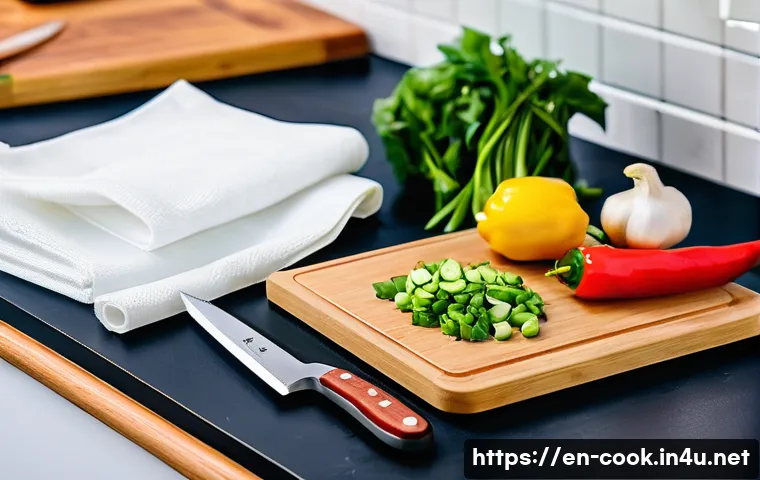
Oh, mise en place! If you’ve spent any time in a professional kitchen, you know this term is practically sacred. It means “everything in its place,” and it’s your secret weapon for a smooth, stress-free practical exam. I learned this the hard way during an early practice session where I was scrambling for ingredients, and my timing went completely off. Never again! Before you even think about firing up that wok, every single ingredient needs to be prepped, measured, and organized. Vegetables washed and cut, proteins marinated, sauces mixed and ready. This isn’t just about tidiness; it’s about creating an efficient workflow. When you’re under pressure, the last thing you want is to be hunting for a specific spice or realizing you forgot to chop the garlic. Having everything laid out logically on your workstation allows you to focus solely on the cooking process, making quick work of dishes that require rapid additions of ingredients. It demonstrates foresight, organization, and a true understanding of kitchen management, all things that judges will notice and appreciate.
Wok Wizardry: The Art of Heat and Flavor
Unlocking the Magic of Wok Hei
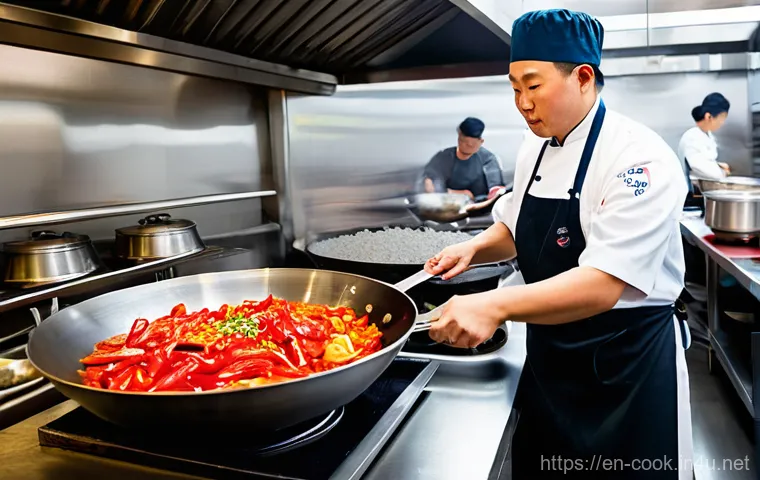
Ah, ‘wok hei’ – the elusive “breath of the wok.” If you’ve ever had truly authentic Chinese stir-fry, you know that incredible, smoky, almost charred aroma and flavor that just makes your taste buds sing. That’s wok hei, and mastering it is a game-changer for your practical exam. It’s not something you can easily teach in a textbook; it’s a feeling, a timing, a dance between extreme heat and rapid ingredient movement. I remember my first attempts were… well, let’s just say a little less “wok hei” and a lot more “burnt mess.” But through persistent practice, I started to get a feel for how to get the wok screaming hot, add ingredients in the right sequence, and keep them moving constantly. It’s about letting the food touch that super-hot metal just long enough to get a beautiful sear, but not so long that it burns. A common mistake I see (and definitely made myself!) is overcrowding the wok, which drops the temperature and steams the food instead of stir-frying it. Keep those portions manageable, keep that heat high, and practice, practice, practice the toss! It’s challenging, but when you nail it, the flavor explosion is absolutely worth every burnt eyebrow.
Perfecting Heat Control and Timing
Beyond just getting the wok hot, true mastery lies in controlling that heat and timing your ingredient additions perfectly. Chinese cooking is often a lightning-fast process, especially in a stir-fry, and every second counts. You’ll switch between high heat for searing proteins and slightly lower heat for simmering sauces or gently cooking delicate vegetables. This requires an intuitive understanding of your burner and your wok. I’ve found that pre-heating your wok until it’s smoking, then adding a swirl of oil, is often the key to non-stick cooking and getting that initial sear. Then, it’s about adding ingredients in the right order – typically heartier vegetables and proteins first, followed by softer vegetables and aromatics, with sauces at the very end. Overcooked vegetables are limp and lifeless, while undercooked ones are unappetizing. It’s a delicate balance, and honestly, it just comes with repetition. Pay attention to the sounds, the smells, and the visual cues. When you can intuitively adjust your flame and know exactly when to toss in the next ingredient without even thinking, that’s when you know you’re truly starting to get it. It’s an exhilarating feeling when everything comes together seamlessly!
Signature Dishes and Flavor Harmony
Must-Know Dishes for Your Repertoire
When you’re aiming for a Chinese culinary certification, there are certain classic dishes that are practically rites of passage. These aren’t just random recipes; they’re foundational dishes that showcase a range of techniques and flavor profiles that you simply *must* master. Think about things like Kung Pao Chicken, Mapo Tofu, Sweet and Sour Pork, or even a perfectly steamed whole fish. Each of these tests different skills: the velvety texture of properly stir-fried chicken, the precise balance of spicy and numbing in Mapo Tofu, the delicate crispness and balanced sauce of Sweet and Sour Pork, or the subtle art of steaming to retain moisture and flavor. I remember tirelessly practicing these exact dishes, not just to memorize the steps, but to truly understand the ‘why’ behind each ingredient and technique. It’s not enough to follow a recipe; you need to understand the principles that make these dishes iconic. Knowing these core dishes backwards and forwards gives you a strong foundation and demonstrates your comprehensive understanding of Chinese culinary traditions to the judges.
Achieving the Perfect Balance of Flavors
One of the most captivating aspects of Chinese cuisine is its incredible balance of flavors. It’s not just about sweet, sour, salty, bitter, and umami; it’s about how these elements play together in harmony to create a truly memorable dish. Think about how a touch of rice vinegar brightens a rich, savory broth, or how a sprinkle of sugar can round out a spicy sauce. I used to struggle with this, often making things too sweet or too salty, but I quickly learned that tasting as you go is absolutely critical – and not just at the end! Understanding how different ingredients contribute to the overall flavor profile is key. For example, ginger and garlic provide aromatic warmth, soy sauce brings savory depth, and chilies add heat. It’s like composing a piece of music, where each instrument (ingredient) plays its part to create a beautiful symphony. Developing your palate to discern these nuances and adjust seasonings on the fly is a skill that only comes with extensive practice and a willingness to experiment. It’s about trusting your instincts and knowing when a dish needs a little something extra to truly sing.
Strategic Practice and Exam Simulation
Crafting Your Personalized Study Schedule
Okay, let’s get real about the grind. You can’t just wing it, and you certainly can’t cram for a practical cooking exam. This is where a smart, personalized study and practice schedule comes into play. When I was preparing, I broke down the syllabus into manageable chunks: one week for knife skills, another for wok techniques, then focusing on specific dish categories. Don’t just think about cooking; think about practicing *components*. Can you julienne onions perfectly every time? Can you blanch vegetables to the ideal crisp-tender? Can you make your signature sauce blindfolded? Schedule dedicated blocks for practicing these fundamental techniques, and then integrate them into full dish preparations. Be honest with yourself about your weaknesses and dedicate more time to those areas. If your knife skills are shaky, make that a daily ritual. If your sauces fall flat, spend an afternoon perfecting five different basic sauces. Consistency is your best friend here, even if it’s just 30 minutes of focused practice each day rather than one massive, exhausting session once a week. Remember, this is a marathon, not a sprint!
Simulating Exam Conditions at Home
This tip is a game-changer, I swear. Practicing in your comfy home kitchen is one thing; performing under timed, stressful exam conditions is entirely another. The best way to bridge that gap? Simulate the exam environment as closely as possible. I used to set a timer, just like in the real exam, and work through entire dishes, or even just components, within those constraints. Clear your kitchen counter, imagine it’s the professional setup, and only use the equipment you expect to have available on exam day. Don’t cheat by having ingredients pre-measured if that won’t be allowed in the exam. This helps you get comfortable with the pressure, identify where you’re losing time, and refine your workflow. It also helps you manage unexpected mishaps – like dropping an ingredient or realizing you forgot something. Learning to troubleshoot under pressure is an invaluable skill. I even had a friend act as a “judge” once, just to add a layer of performance anxiety and feedback. It might feel a bit silly at first, but trust me, it’s one of the most effective ways to build confidence and prepare for the real thing. When exam day arrives, it’ll feel less like a terrifying new experience and more like a high-stakes practice run.
Essential Equipment for Aspiring Chinese Chefs
Beyond the Wok: Your Culinary Arsenal
While the wok is undeniably the star of the show in Chinese cooking, it’s certainly not the only tool you’ll need. Building a solid culinary arsenal can make a world of difference in your practice and performance. I learned early on that having the right tools for the job not only makes tasks easier but also allows you to execute techniques properly. For instance, a high-quality cutting board that won’t slip around is crucial for safety and precision with your knives. Speaking of knives, investing in a good Chinese cleaver (or two, a heavy one for chopping and a lighter one for slicing) is paramount. Don’t forget a sturdy ladle and a long-handled spatula for wok cooking, as well as various sizes of mixing bowls for your mise en place. And while it sounds obvious, a reliable scale for accurate measurements and a timer are non-negotiable. I’ve put together a quick table of some essential items that I’ve found indispensable in my journey. Having these items not only prepares you for the exam but also elevates your everyday cooking, making the entire experience more enjoyable and efficient. Remember, you don’t need *everything* all at once, but focusing on these key items will set you up for success.
| Equipment | Why It’s Essential for Chinese Cooking |
|---|---|
| Carbon Steel Wok | Achieves and retains high heat, crucial for ‘wok hei’ and efficient stir-frying. |
| Chinese Cleavers (Slicing & Chopping) | Versatile tools for dicing, mincing, slicing, and even smashing aromatics. |
| Wok Spatula and Ladle | Designed to fit the curvature of the wok, ideal for tossing, stirring, and serving. |
| Large Cutting Board | Provides ample, stable surface for extensive ingredient preparation. |
| Measuring Cups & Spoons | Ensures accuracy in recipes, essential for balanced flavors. |
| Fine Mesh Strainer | For blanching vegetables, straining sauces, and preparing ingredients. |
| Steamer (Bamboo or Metal) | Indispensable for preparing dim sum, steamed fish, and vegetables. |
Maintaining Your Tools for Peak Performance
Just as important as having the right tools is knowing how to care for them. A dull knife is a dangerous knife, and a poorly maintained wok will affect your cooking results. I can’t stress enough the importance of regularly sharpening and honing your knives. It’s a skill worth learning, or at the very least, finding a professional who can do it for you. For your carbon steel wok, proper seasoning and care are critical to develop that beautiful non-stick surface and prevent rust. After each use, it’s best to wash it with hot water (no harsh soap!), dry it immediately, and then lightly oil it. Trust me, a well-seasoned wok gets better with age, developing an incredible patina that contributes to the flavor of your food. Thinking about your equipment as an extension of your own hands, and treating it with respect, is a hallmark of a true professional. It demonstrates attention to detail and a commitment to quality, qualities that will undoubtedly impress during your practical exam and serve you well throughout your culinary career.
Navigating Exam Day Nerves and Performance
The Morning Of: Calming Pre-Exam Jitters
Exam day – it’s here! No matter how much you’ve prepared, those butterflies in your stomach are probably doing a little dance. And you know what? That’s totally normal! I remember waking up on my exam day with a mix of excitement and a serious case of nerves. The key isn’t to eliminate the jitters entirely, but to manage them. I found that having a rock-solid routine for the morning helps immensely. Get a good night’s sleep – seriously, don’t pull an all-nighter trying to memorize one last recipe. Eat a light, energizing breakfast that won’t make you feel heavy or sluggish. Double-check your bag for all your essentials – uniform, personal knives (if allowed), notes, and a bottle of water. Arrive early at the testing site to familiarize yourself with the environment, locate your station, and mentally prepare. Take a few deep breaths, visualize yourself successfully completing each task, and remind yourself of all the hard work you’ve put in. You’ve prepared for this, and you’ve got this!
Staying Focused and Adaptable Under Pressure
Once the clock starts ticking, it’s easy for panic to set in if something doesn’t go exactly as planned. But here’s a secret: things rarely go *exactly* as planned, even for the pros! The real test of a chef isn’t just about flawless execution when everything is perfect, but how you react and adapt when things go a little sideways. Did you accidentally over-salt something? Can you adjust the sauce? Did your stir-fry get a little too dark? Can you salvage it with a quick adjustment to heat or technique? I’ve learned that maintaining a calm demeanor, even when your mind is racing, is crucial. Focus on one task at a time, moving methodically through your mise en place and cooking steps. If you make a mistake, acknowledge it quickly, take a breath, and figure out the best way to recover without compromising the entire dish. Judges are often looking for how you handle pressure and problem-solve, not just perfection. Show them your resilience and resourcefulness, and you’ll shine even brighter. Remember, every chef has had their share of kitchen disasters; it’s how you recover that truly defines you.
Beyond Certification: What’s Next for Your Culinary Path
Opening Doors: Career Opportunities with Your Certification
So, you’ve aced the practical, earned that coveted certification, and now you’re wondering, “What’s next?” This isn’t just a piece of paper; it’s a key that can unlock some amazing opportunities in the culinary world. I’ve seen friends who’ve gotten certified go on to work in some incredible places, from bustling Chinese restaurants in major cities to high-end resorts looking for specialized chefs. It shows potential employers that you’re serious, you have a foundational understanding, and you’re committed to professional standards. It can open doors to roles as a commis chef, a station cook specializing in Asian cuisine, or even a catering assistant for events focused on Chinese food. For many, it’s the first step towards becoming a head chef or even opening their own establishment down the line. Don’t underestimate the power of that official recognition – it can significantly boost your resume and give you a competitive edge in a crowded industry. The culinary world is vast, and this certification can be your passport to exploring so many exciting avenues!
Embracing a Lifelong Journey of Learning and Growth
Getting your certification is a huge accomplishment, but please, please don’t think of it as the finish line! In the culinary arts, learning is a continuous, delicious journey. The world of Chinese cuisine, in particular, is incredibly rich and diverse, with countless regional variations, ancient traditions, and modern innovations to explore. I’ve found that my certification was just the beginning of truly understanding how much more there is to learn! Keep experimenting with new ingredients, researching different regional styles (Sichuan, Cantonese, Hunanese, etc.), and even trying to put your own creative spin on classic dishes. Attend workshops, read cookbooks by renowned chefs, and travel if you can to experience authentic flavors firsthand. The best chefs are always curious, always learning, and always pushing their boundaries. Your certification is a fantastic foundation, but building upon it with continued passion and dedication will truly make you a master. Keep that wok hot, keep those knives sharp, and never stop exploring the incredible world of Chinese flavors!
Closing Thoughts
Well, my fellow culinary adventurers, we’ve journeyed through the intricate world of Chinese cooking certification, from mastering knife skills to harnessing the magic of ‘wok hei’.
It’s been an absolute blast sharing my insights and encouraging you on this incredibly rewarding path. Remember, this isn’t just about passing an exam; it’s about embracing a rich culinary heritage and developing a lifelong passion.
Keep that passion burning, keep practicing, and trust in the delicious journey ahead. You’ve got this!
Useful Information to Know
1. Dive Deep into Your Specific Certification. Every program is a bit different, so make it your mission to fully understand the syllabus, required dishes, and specific assessment criteria. Think of it as your secret weapon – knowing what’s expected lets you tailor your practice perfectly.
2. Make Knife Skills Your Daily Ritual. Seriously, I can’t stress this enough. Consistent, daily practice with your cleaver – even just for 15-20 minutes – will build the precision and speed you’ll desperately need. It’s the foundation for everything else!
3. Transform Your Kitchen into an Exam Arena. Set timers, limit your ingredients to what you’d have, and even get a friend to “judge” you. Simulating the real deal helps you conquer nerves and iron out any kinks in your workflow *before* the big day.
4. Obsess Over Wok Hei and Heat Control. These aren’t just techniques; they’re the soul of authentic Chinese cooking. Dedicate extra practice to getting that smoky essence and understanding how to manipulate your flame intuitively. This is where you truly shine!
5. Hygiene and Safety are Non-Negotiable. Beyond taste, judges are meticulously observing your cleanliness and food handling. Treat your station like a surgical theater – organized, spotless, and always mindful of cross-contamination. It speaks volumes about your professionalism.
Key Takeaways
In a nutshell, acing your Chinese culinary practical exam boils down to a few core principles: meticulous preparation, relentless practice of fundamental skills like knife work and wok techniques, a deep understanding of flavor balance, and the mental fortitude to perform under pressure.
Embrace the journey of continuous learning, and remember that your passion is your most powerful ingredient. This certification is a stepping stone to a fulfilling culinary career, so treat it as the exciting beginning of many delicious adventures!
Frequently Asked Questions (FAQ) 📖
Q: How long should I realistically expect to spend preparing for a Chinese cooking certification practical exam?
A: Oh, this is such a common and important question, and honestly, the answer really depends on where you’re starting from and what level of certification you’re aiming for.
When I first started out, I was pretty green, so I dedicated at least 6-8 months of consistent, intense practice before I even thought about signing up for an entry-level practical.
If you’re going for a more advanced certification, especially one that demands a deep understanding of regional cuisines and intricate techniques, you could be looking at a year or even several years of dedicated study and hands-on experience.
It’s not just about clocking hours; it’s about genuine immersion. I’ve seen folks try to rush it in a few weeks, and while admirable, it usually leads to a lot of frustration and less-than-stellar results.
The sweet spot, in my experience, is giving yourself enough time to truly absorb the techniques, allowing for those inevitable mistakes and breakthroughs.
Think of it less as a race and more like slow cooking – the longer and more carefully you simmer, the richer the flavor. It’s about building muscle memory, not just memorizing recipes.
You want to feel comfortable and confident, not just barely scrape by. Plus, those extra weeks or months allow you to truly develop your palate and knife skills, which are absolutely non-negotiable for success.
Q: What’s the smartest way to structure my study and practice to ensure I’m fully prepared for the practical exam?
A: This is where strategy comes in, and trust me, a good plan makes all the difference! I learned this the hard way. My initial approach was a bit scattershot, just trying to cook a bunch of dishes, but that wasn’t efficient.
The smartest way to structure your preparation, in my opinion, is to break it down into core components. First, knife skills are paramount. Dedicate specific daily sessions just to chopping, slicing, dicing, and julienning until it feels like second nature.
Seriously, your instructors will be watching this closely. Then, move onto fundamental techniques: mastering stir-frying (hello, ‘wok hei’!), steaming, braising, and deep-frying.
Don’t just follow recipes; understand why each step is performed. I found it incredibly helpful to pick one technique each week and cook multiple variations of dishes using it.
Next, focus on flavor profiles and ingredient knowledge. This means tasting everything, understanding how different sauces and spices interact, and knowing your Chinese pantry inside and out.
And here’s a golden tip: practice under timed conditions. The practical exam is often a race against the clock, so get used to working efficiently without compromising quality.
I used to set a timer for each dish, just like in the real exam, and refine my workflow. Finally, get feedback. If you have a mentor, a fellow aspiring chef, or even a very honest friend, have them taste your creations and give you constructive criticism.
This was a game-changer for me; it helped me identify blind spots I didn’t even know I had.
Q: What are the absolute key elements or specific techniques I should prioritize to truly ace the practical exam?
A: Alright, if you want to walk into that exam room feeling like a culinary superhero, there are definitely a few non-negotiables you need to absolutely nail.
From my own experience, the judges are looking for mastery in these areas. First, as I mentioned, knife skills are foundational. We’re talking precision, speed, and safety.
You need to be able to demonstrate various cuts like julienne, dice, and mince with consistent size and uniformity. Practice until your hands move almost instinctively.
Second, temperature control and timing, especially with wok cooking. This is where ‘wok hei’ comes in – that unique smoky, caramelized flavor that defines authentic Chinese stir-fries.
It’s about knowing exactly when to add ingredients, how to adjust the heat, and when to pull the dish off the fire to prevent overcooking. I remember spending weeks just perfecting my stir-fry technique, endlessly tweaking the heat and timing until it just felt right.
Third, seasoning and balance of flavors. Chinese cuisine is all about harmony – sweet, sour, salty, savory, spicy. You need to develop your palate to confidently adjust seasonings on the fly, ensuring your dishes are perfectly balanced, not too salty or too bland.
Finally, presentation. Even if it’s a simple dish, how you plate it matters. A clean, aesthetically pleasing presentation shows attention to detail and respect for the food.
These aren’t just skills; they’re an art form you cultivate through relentless practice and a genuine passion for Chinese cooking. Master these, and you’ll not only pass but truly impress!