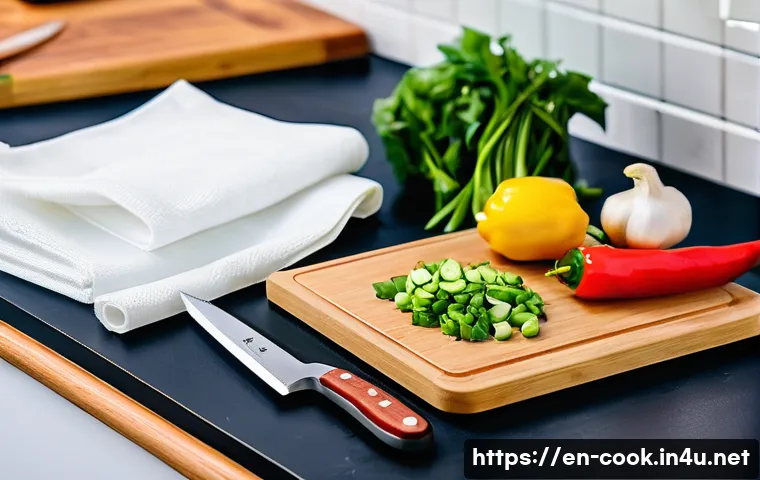
Landing your dream job as a culinary artist is exciting! Getting ready for the interview, though? That can be a little nerve-wracking.
I remember prepping for my first chef interview; I was a mix of excitement and pure panic. The key is really understanding what they’re looking for, not just in terms of your cooking skills, but also your personality and how you handle the heat (pun intended!).
Based on the latest trends, employers are looking for candidates that are creative, adaptable, and have a strong understanding of food safety and sanitation.
Let’s dive into some potential questions so that you’ll be prepared to nail that interview! Let’s see what’s on the menu!
Okay, here we go!
Tell Me About a Time You Messed Up
What’s the Story?
Everyone makes mistakes, right? But how you handle them says a lot. Interviewers aren’t necessarily looking for perfection; they want to see how you react to a less-than-ideal situation, and if you have the ability to think on your feet.
During my time working the brunch shift at a popular diner, I once misread a ticket and accidentally made a stack of blueberry pancakes when the order was for chocolate chip.
I realized my error as I was walking the plate over to the customer’s table. I immediately apologized, explained the mistake, and offered to quickly make the correct order while allowing them to enjoy the blueberry pancakes on the house.
They were happy with the solution, and it turned a potential negative into a positive experience. It’s about owning up to it, explaining what happened, and detailing what you learned or how you prevented it from happening again.
It shows responsibility and a willingness to improve, which are huge pluses.
What Did You Learn?
Don’t just talk about the mistake; dissect it. What specific steps did you take to correct the error? How did you change your workflow or thinking to prevent it in the future?
I learned to double-check the tickets, especially during the morning rush when things get hectic. I even started using a highlighter to mark off ingredients as I prepped, making sure I had everything correct before I started cooking.
I also made it a habit to communicate more with the front-of-house staff about any special requests or modifications. This helps minimize confusion and ensures everyone is on the same page.
Could you tell me what you did to turn the situation to your advantage?
When describing the mess-up, try to also explain what you did to turn the situation to your advantage. The interviewer wants to hear about your quick-thinking and problem solving skills.
In my experience, it is usually possible to do something to improve the situation. Make sure to include these steps when you answer the question.
Why This Restaurant? What Makes Us Special?
Do Your Homework!
This question is a golden opportunity to show that you’re not just applying for any cooking job. Do some research. What is the restaurant’s focus?
What are their values? What kind of reviews do they get? When I was interviewing for a spot at a farm-to-table restaurant, I spent hours looking at their menu, their sourcing practices, and even their social media.
I knew they were all about sustainability and supporting local farmers. So, when they asked me why I wanted to work there, I was able to talk about how I admired their commitment to fresh, seasonal ingredients and how my personal cooking philosophy aligned with their mission.
Show That You’re Aligned
Think beyond just saying “I like your food.” Mention something specific that resonates with you about the restaurant. Maybe it’s their commitment to using organic produce, or their innovative approach to classic dishes, or their amazing customer satisfaction.
Relate it back to your own skills and goals. For example, you could say, “I’ve been following your restaurant’s work with hydroponic greens, and I’m very impressed.
I’ve been experimenting with hydroponics myself at home, and I’d love to bring that knowledge to your team.”
Use your own experience.
Adding details about times you have visited the restaurant will certainly improve your credibility with the interviewer. Describing your favorite dish, who you were with, and how the service was will improve your changes greatly.
How Do You Handle Stress in a High-Pressure Environment?
Share Specific Strategies
Cooking, especially during peak hours, can be incredibly stressful. Don’t just say you “work well under pressure.” Give specific examples of strategies you use to stay calm and focused.
One thing I learned early on is the power of organization. Before a busy dinner service, I take the time to set up my station meticulously, making sure everything is within reach and that I have enough prep done to handle the initial rush.
I also rely on clear communication with my team. If I’m feeling overwhelmed, I’ll ask for help or delegate tasks to others.
Talk About Mindfulness
In the midst of chaos, taking a few deep breaths can make a world of difference. Talk about incorporating mindfulness techniques into your routine. Before a service, I will usually take a few minutes to clear my head.
During intense periods, I try to focus on one task at a time. This can help avoid overwhelm. * Stay calm
* Focus on the task
* Be patient
What Are Your Salary Expectations?
Do Your Research
Before you even step into the interview, research the average salary range for a cook or chef in your area with your level of experience. Websites like Salary.com or Glassdoor can provide valuable data.
Consider Your Worth
Think about your skills, experience, and the value you bring to the table. Do you have specialized knowledge of a particular cuisine? Are you a whiz at inventory management?
Do you have a proven track record of increasing efficiency in the kitchen? Factor all of that into your salary expectations. If you’re not sure where to start, consider using a salary calculator or talking to other chefs in your network.
Be Flexible and Open to Negotiation
It’s okay to provide a salary range rather than a fixed number. This shows that you’re willing to negotiate. For example, you could say, “Based on my research and experience, I’m looking for a salary in the range of $45,000 to $50,000.
However, I’m open to discussing this further and learning more about the benefits package and growth opportunities.”
Where Do You See Yourself in Five Years?
Show Ambition, But Be Realistic
Employers want to see that you’re ambitious and have goals. But they also want to know that you’re realistic and committed to the job at hand. You might say, “In five years, I hope to still be growing and learning as a chef, perhaps in a sous chef or chef de cuisine role.
I’m also interested in exploring opportunities to mentor junior cooks and contribute to menu development.”
Align With the Restaurant’s Goals
If you know that the restaurant values innovation, you could talk about your interest in developing new dishes or experimenting with different culinary techniques.
If they’re focused on sustainability, you could mention your desire to learn more about sustainable sourcing practices or reduce food waste.
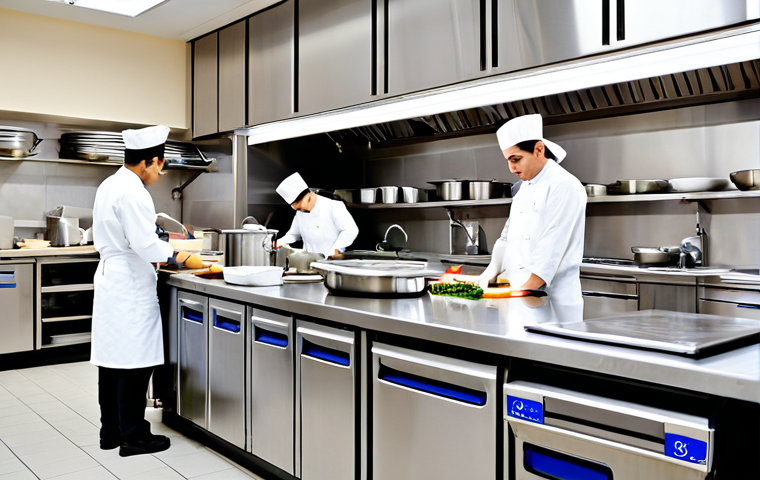
Can you explain key kitchen equipment and their uses?
Here is a table with examples of key kitchen equipment and their uses.
| Equipment | Use |
|---|---|
| Commercial Oven | Baking, roasting, and heating food items in large quantities. |
| Industrial Mixer | Mixing large batches of dough, batter, or other ingredients efficiently. |
| Food Processor | Chopping, slicing, and pureeing ingredients quickly. |
| Salamander Broiler | Finishing dishes with a crispy or browned top. |
| Sous Vide Machine | Cooking food in water baths at precise temperatures for consistent results. |
How Do You Ensure Food Safety and Hygiene in the Kitchen?
Certification and Training
Having certifications like a ServSafe certification immediately signals that you have a foundation of knowledge in food safety practices. Interviewers want to know you understand HACCP (Hazard Analysis and Critical Control Points) principles.
I make sure all food is stored at the correct temperatures and that I have a well-maintained cleaning schedule. Proper hygiene like frequent hand washing and wearing clean uniforms is part of my daily routine.
These are essential elements of keeping a kitchen safe and preventing foodborne illnesses.
Cross-Contamination Avoidance
One of the major things I do in the kitchen is prevent cross-contamination. It’s important to show you know how to segregate raw and cooked foods. We always use separate cutting boards for meats and vegetables.
Also, I ensure that anyone on my team who is sick knows to stay at home and that our food preparation is up to health code standards. These points, when elaborated with your personal experiences and infused with a bit of your own personality, will set you apart and leave a lasting positive impression!
Good luck with your interviews!
Wrapping Up
So, there you have it – some insights and tips to help you ace that cook or chef interview. Remember to be genuine, let your personality shine, and use your real-life experiences to illustrate your points. Preparation is key, but authenticity seals the deal. Go get ’em!
Useful Tips
-
Always arrive early for your interview to show respect for the interviewer’s time and to allow yourself a few moments to relax and gather your thoughts.
-
Bring a copy of your resume and any relevant certifications (like ServSafe) to the interview, even if you’ve already submitted them electronically.
-
Prepare a few questions to ask the interviewer about the restaurant, the team, or the position to demonstrate your interest and engagement.
-
Send a thank-you note (email is fine) to the interviewer within 24 hours of the interview to reiterate your interest and thank them for their time.
-
Dress professionally for the interview; even in a kitchen setting, looking polished and presentable can make a positive impression.
Key Takeaways
To nail your chef interview, remember these points:
-
Honesty is Crucial: Don’t embellish your experiences.
-
Preparation Matters: Research the restaurant thoroughly.
-
Highlight Problem-Solving Skills: Share how you’ve turned mistakes into learning experiences.
-
Food Safety is Key: Show a strong understanding of hygiene and safety protocols.
-
Show Passion: Let your love for cooking shine through!
Frequently Asked Questions (FAQ) 📖
Q: “Walk me through your signature dish. What makes it ‘you’?”
A: “Ah, my signature dish… it’s a Pan-Seared Duck Breast with Cherry Reduction and Parsnip Puree. The reason I call it ‘mine’ is because it truly reflects my culinary journey.
I started experimenting with duck early on, loving its richness. I learned the hard way, though, burning the skin more times than I care to admit! The cherry reduction is a nod to my grandmother’s cherry orchard; the sweet-tart flavor always takes me back.
And the parsnip puree? That’s where my modern twist comes in. I remember one particularly disastrous holiday meal where I completely forgot the mashed potatoes.
In a panic, I grabbed some parsnips, whipped them up with a little cream and nutmeg, and everyone raved! Now, I use that ‘accident’ to balance the richness of the duck.
It’s not just a dish; it’s a story on a plate, showcasing the flavors I love and the lessons I’ve learned. I’m especially proud of the way the crisp duck skin yields to the tender meat, perfectly complemented by the sweet cherry and earthy parsnip.
Trust me, it’s delicious and I think you’ll love it!”
Q: “Tell me about a time you had to deal with a difficult customer and how you resolved the situation.”
A: “Okay, so picture this: Friday night rush, restaurant packed. I was expediting and the tickets were flying! A gentleman flagged me down, clearly unhappy.
He’d ordered the salmon, and apparently, it wasn’t cooked to his liking. He said it was too rare and he wanted it cooked through. Now, normally, I’d just send it back to the kitchen, but I could see the kitchen was already swamped.
So, I decided to handle it myself. I apologized profusely and offered to personally prepare a new salmon for him, explaining that I’d make sure it was cooked exactly to his liking.
While the new salmon was cooking, I brought him a complimentary appetizer and chatted with him a bit about the restaurant’s history and our commitment to fresh ingredients.
When the new salmon was ready, I brought it to him myself and made sure he was completely satisfied. He ended up thanking me for taking the time to listen to him and for going above and beyond to fix the issue.
What I learned from that experience is that sometimes, people just want to be heard and acknowledged. And a little bit of personal attention can go a long way in turning a negative experience into a positive one.
It helped that he actually enjoyed the food after the fix – definitely a win in my book!”
Q: “Where do you see yourself in five years in the culinary world?”
A: “In five years, I see myself as a Chef de Cuisine, preferably at a restaurant known for its innovative and sustainable approach to dining. I’m not just talking about cooking; I want to be a leader who inspires creativity and fosters a positive, collaborative kitchen environment.
I envision myself mentoring junior chefs, helping them hone their skills and discover their own culinary voices. I also want to deepen my knowledge of farm-to-table practices, forging relationships with local farmers and producers to ensure we’re using the freshest, highest-quality ingredients.
Ultimately, my goal is to contribute to the evolution of modern cuisine, pushing boundaries while staying true to the principles of flavor, technique, and sustainability.
Maybe even open a small place of my own eventually, but that’s further down the line. Five years is about mastering the craft and leading others.”
📚 References
Wikipedia Encyclopedia
구글 검색 결과
구글 검색 결과
구글 검색 결과
구글 검색 결과
구글 검색 결과