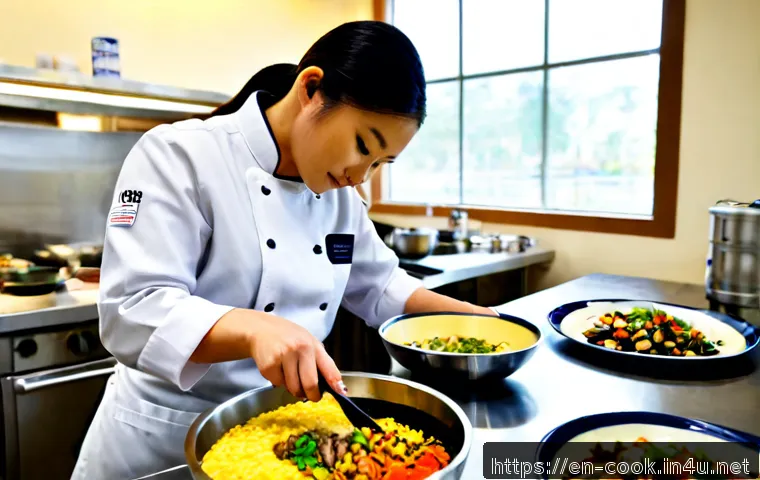
Compare Korean cuisine certificate cooking schools by instructor experience, hands-on kitchen hours, class size, exam preparation, tuition, and career relevance.

Use this guide to identify programs worth the investment.
A Korean cuisine certificate school is worth the cost when it gives you substantial hands-on kitchen practice, a clear curriculum, and preparation that matches your actual goal. A low-cost community class can be enough for home cooking, while structured professional cooking courses may make more sense for restaurant work or a future food business. Compare what tuition includes before you pay, because ingredients, uniforms, kitchen tools, examination fees, and retake support may be billed separately. The certificate title alone does not confirm employer recognition or practical skill. Written course details, instructor credentials, and refund terms are more useful than promotional language. The best choice is the program that fits your schedule, budget, and intended use of the training.
At a Glance
- A short, low-cost Korean cooking class may be enough if your goal is reliable home cooking rather than certification.
- For career-focused learners, prioritize hands-on kitchen hours, assessment practice, and a transparent professional cooking curriculum.
- Compare the full cost, including ingredients, equipment, exam-related charges, travel, and refund conditions—not tuition alone.
| Comparison Point | What to Check | Why It Matters |
|---|---|---|
| Tuition inclusions | Ingredients, uniform, knives, kitchen equipment, exam fees, and retake support | The advertised culinary school tuition may not be the full amount you will pay. |
| Kitchen practice | Hours spent preparing food yourself versus watching demonstrations | Hands-on repetition is usually more useful for developing practical cooking skills. |
| Class size | Students per station, instructor access, and feedback time | A crowded kitchen can reduce the feedback you receive during practical work. |
| Exam support | Official registration, preparation only, mock assessments, and retake policy | Do not assume a course includes an examination or guarantees certificate recognition. |
| Refund terms | Cancellation deadlines, rescheduling rules, and deposit conditions | These terms matter if your work, family, or travel schedule changes. |
Is a Korean Cuisine Certificate School Worth the Cost?
Quick answer: choose based on your goal, not the certificate title alone
A certificate can be useful, but it should not be the only reason to enroll. Start with a practical question: do you want to cook better at home, apply for restaurant work, or build skills for catering or a small food business? A certificate program with structured assessments may suit a career changer, while a flexible Korean cooking class may be a better fit for someone learning family dishes. Check whether the certificate is recognized where you plan to work, because requirements and recognition can vary by country, school, and issuing organization.
When a short recreational class may be enough
A short course may be a sensible option if you want foundational techniques, recipe confidence, and guided practice without a larger tuition commitment. Look for classes where you actively prepare food, ask questions, and receive feedback. A demonstration-only format can still be enjoyable, but it may offer less practical value if your goal is to improve knife work, timing, seasoning, or kitchen organization.
When structured training can justify a higher tuition fee
A longer culinary certificate program can justify a higher cost when it provides repeated kitchen practice, a detailed syllabus, instructor feedback, and clear assessment preparation. It may also be more useful when you need a regular training schedule and practice under conditions similar to a professional kitchen. Before treating higher tuition as better quality, ask what is actually included and how much time you will spend cooking yourself.
What to Check Before Trusting a Cooking School Review
Hands-on cooking hours versus demonstration time
Useful cooking school reviews describe the learning format, not just whether the class felt fun. Look for details about individual workstations, practical tasks, recipe repetition, and instructor feedback. Ask the school directly how much class time is devoted to active food preparation rather than observation. This is one of the clearest ways to separate meaningful chef training from a presentation-heavy course.
Instructor background and curriculum transparency
A school should be able to explain who teaches the course and what learners will cover. Request the written curriculum and look for clear modules, practical assignments, and assessment information. Instructor experience can be relevant, but do not rely on broad claims alone. Ask how the instructor teaches technique, corrects mistakes, and supports learners with different levels of kitchen experience.
Class size, ingredient quality, and kitchen access
Class size affects how much individual guidance you may receive. Ask whether learners share a station, whether ingredients are provided, and whether practice time is available outside regular class sessions. Ingredient quality and kitchen equipment matter too, especially when the course teaches traditional preparation methods. The goal is not luxury equipment; it is sufficient access to tools and a safe, workable cooking environment.
How to assess reviews without relying on star ratings alone
Read reviews for specific patterns. Comments about unclear fees, rushed practical sessions, limited feedback, or difficult rescheduling can be more useful than a simple rating. Likewise, positive reviews are most helpful when they describe the curriculum, kitchen practice, and communication. Treat claims about job outcomes or exam success carefully unless the school provides written, verifiable details.
Compare Tuition, Included Costs, and Certificate Value
Questions to ask about tuition and payment plans
Ask for a written tuition breakdown in your local currency. Confirm the payment schedule, deposit conditions, and whether a payment plan changes the total amount due. If you are comparing professional cooking courses, use the same questions for every school. This makes it easier to see whether a lower initial quote truly represents better value.
Hidden costs: ingredients, uniforms, knives, exam fees, and retakes
The total cost may include more than course tuition. Ask whether ingredients, uniforms, knives, kitchen equipment, textbooks, examination registration, and retake support are included. Also consider transport, parking, and the cost of traveling to practical sessions. Request an itemized quote before paying a deposit, especially when the course mentions certification preparation.
Comparing course length, schedule flexibility, and practical value
A longer course is not automatically better. Compare course length with the amount of practical kitchen time, the pace of instruction, and how often you can attend. Evening, weekend, and online-supported options may help learners with work or family responsibilities, but verify how practical assessments are handled. If a program includes online lessons, confirm that the in-person cooking component is still substantial enough for your goal.
Whether career support or business-focused modules add value
Career support can add value if it is clearly described. Ask whether the program offers practical guidance for restaurant work, menu planning, food costing, or food-business operations. Do not assume job placement is included or guaranteed. For future caterers and food-truck owners, business-focused modules may be useful, but they should complement—not replace—reliable cooking practice.
Enrollment Steps and Mistakes That Can Waste Your Budget
Request the full syllabus before paying a deposit
Ask for the complete syllabus, including practical topics, assessment format, class dates, and any required equipment. A written outline lets you compare schools on more than marketing language. If the curriculum is vague, it may be difficult to judge whether the course matches your current skill level or intended certificate.
Confirm cancellation, refund, and rescheduling terms

Read the refund policy before enrolling. Confirm what happens if you cancel, miss a class, need to reschedule, or cannot complete the program. A clear written policy is particularly important for learners balancing work schedules, caregiving, or travel. Keep copies of the terms you receive at the time of payment.
Ask how practical assessments are evaluated
Ask whether assessments measure preparation, technique, timing, food safety practices, presentation, or another standard. Find out who evaluates the work and whether feedback is provided. If examination preparation is a selling point, confirm whether the school handles official registration or simply offers general practice.
Avoid choosing a program only because it promises a fast certificate
A fast route may sound attractive, but speed does not tell you how much practical ability you will build. Focus on the training process: kitchen hours, instructor feedback, assessment practice, and clear policies. A certificate can support your learning record, but it is not a substitute for dependable cooking skills.
Which Type of Program Fits Your Goal?
For home cooks seeking reliable Korean cooking fundamentals
Choose a class with practical instruction, manageable scheduling, and recipes you can repeat in your own kitchen. You may not need a formal certificate program if your main goal is confidence with Korean cooking fundamentals. Ask whether ingredients and basic equipment are provided so you can compare the true class cost.
For restaurant job seekers building kitchen confidence
Prioritize structured practical training, repeated preparation tasks, and clear feedback. Ask whether the curriculum covers kitchen workflow and whether the certificate has relevance to employers in your location. Confirm recognition independently rather than relying only on a school’s promotional claim.
For future caterers, food-truck owners, and small food businesses
Look for strong practical cooking instruction first, then consider modules related to menu planning, consistency, and business operations. A course that teaches only recipes may not address every need of a food-business starter. Review the written curriculum to see whether the training aligns with the type of food service you hope to offer.
For learners who need evening, weekend, or online-supported options
Flexible scheduling can be valuable, but check the trade-off. Ask how often you will attend an equipped kitchen, how missed classes are handled, and whether practical assessments require fixed dates. Choose flexibility that still gives you enough supervised cooking practice.
Selection Criteria and Comparison Summary
Before enrolling, rank each school on hands-on kitchen time, total cost, curriculum clarity, exam support, and refund flexibility. Create a simple scorecard for two or three programs and write down the answer to each question in the same format. Request a written quote, full syllabus, instructor information, and cancellation terms before making a payment. Check the official course page for the detailed inclusions, eligibility requirements, and current enrollment conditions.
Final Thoughts
The right Korean cuisine certificate school is the one that supports your real purpose, not simply the one with the strongest advertising. Practical kitchen time, transparent costs, and clear written policies are usually more useful comparison points than a certificate title alone. Take time to compare programs side by side before committing tuition or a deposit. If recognition matters for your next step, verify it with relevant employers, local authorities, or the issuing organization.
Useful Information to Keep in Mind
1. Ask for an itemized list of tuition inclusions.
2. Confirm whether examination registration is included or separate.
3. Compare active cooking time, not just total classroom hours.
4. Save the refund and rescheduling policy in writing.
5. Check certificate recognition in the location where you intend to work.
Important Notes
Course fees, schedules, instructor qualifications, examination formats, accreditation, pass rates, and job-placement outcomes vary by school and location. This guide cannot confirm the value or recognition of any individual certificate program. Always review the school’s current written curriculum, payment terms, and official certificate information before enrolling.
Frequently Asked Questions
Q1. How much should a Korean cooking certificate course cost?
A1. Costs vary by school, location, course length, and what tuition includes. Compare the full written cost, including ingredients, uniforms, tools, examination fees, possible retake support, and travel—not the advertised tuition alone.
Q2. Are Korean cuisine certificates useful for getting a restaurant job?
A2. They may be useful when employers in your location recognize the issuing organization and the program includes meaningful practical training. A certificate does not automatically confirm job eligibility, so check directly with relevant employers or local licensing authorities.
Q3. What should I ask a cooking school before enrolling in a certificate program?
A3. Ask for the full syllabus, hands-on kitchen hours, instructor background, class size, total fees, assessment format, examination support, refund policy, and rescheduling terms. Also ask whether the certificate is officially issued, what it represents, and where its recognition should be verified.